


After having spent two days visiting temples near Siem Reap in Cambodia, I wrote this article which lists 12 things you need to know before visiting Angkor Wat, which is a Theravada Buddhist temple complex that originated in the twelfth century and the largest religious complex in the world.
12 Things You Need To Know Before Visiting Angkor Wat
Angkor Wat was designated in 1992 as a United Nations Educational, Scientific and Cultural Organization World Heritage Site as part of the larger Angkor Archaeological Park in Cambodia. Earning the nickname of “eighth wonder of the world”, Angkor Wat attracts greater than 2.5 million visitors every year.
The following list is comprised of what you need to know before visiting Angkor Wat.
1. Arrive Before Sunrise or Prior to Sunset.
The temperature of the air is always relatively cooler before sunrise or after sunset at Angkor Archaeological Park. Either way, you will almost definitely be rewarded with vivid orange skies and dramatic lighting from the sun.
In fact, one popular pilgrimage among visitors is to arrive at Angkor Wat while the morning sky is still dark so that the sun can be viewed rising behind the historic temple. Despite the number of people who might be visiting at any one time, no wrong way to photograph Angkor Wat exists; so while some spots may be better than others in which to photograph Angkor Wat during the sun rising in the sky, you will likely not wind up with bad photographs.
2. Expect to Walk Long Distances.
I personally walked at least twelve miles during the two days that I visited Angkor Archaeological Park because many of the temples have a long walk from:
- The parking area to the gate of the temple
- The gate of the temple to the actual temple
- Within and around the temple
Do yourself a huge favor and wear comfortable shoes with which you can handle walking long distances — and…
3. Expect to Climb. A Lot.
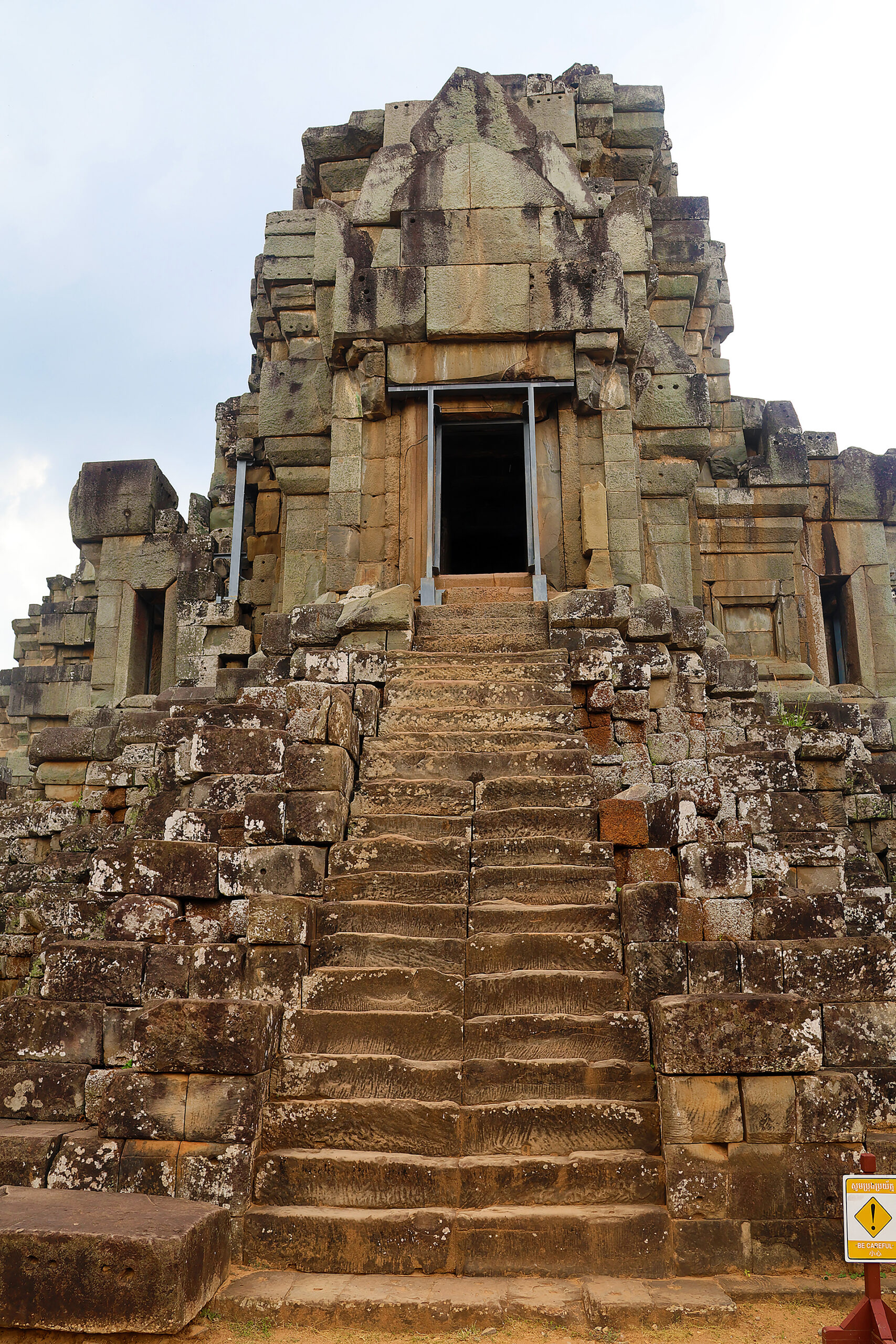
A significant part of that aforementioned walking included stairs. One temple had a few dozen stone steps that were uneven in height, width, length, and every other way possible that even certain people who are able bodied would think twice about conquering.
4. Pay Attention to the Weather.
97 degrees Fahrenheit or 36 degrees Celsius was the ambient temperature of the air — not the heat index — when I visited Angkor Wat earlier this week. If that was not bad enough, the humidity was substantial. January is the ideal month to visit this area of Cambodia — but the air can still be hot and humid.
You might think that a nice rainstorm would cool you off — and it will — but if you are waking or climbing on stone steps, your risk of slipping and falling significantly increases.
The shade of both trees and inside the temples do not help much to ward off the discomfort caused by heat and humidity, as you will likely be sweating profusely — umbrellas, hats, portable fans, headbands, scarves, and cold wet cloths can somewhat help as well — which is why you should…
5. Stay Hydrated. Bring Plenty of Water.
I cannot tell you how many bottles of cold water I drank while I was at Angkor Archaeological Park. Bringing plenty of water — especially cold water — is a must, as the area rarely gets cool.
One way to mitigate the heat is to…
6. Dress Appropriately.
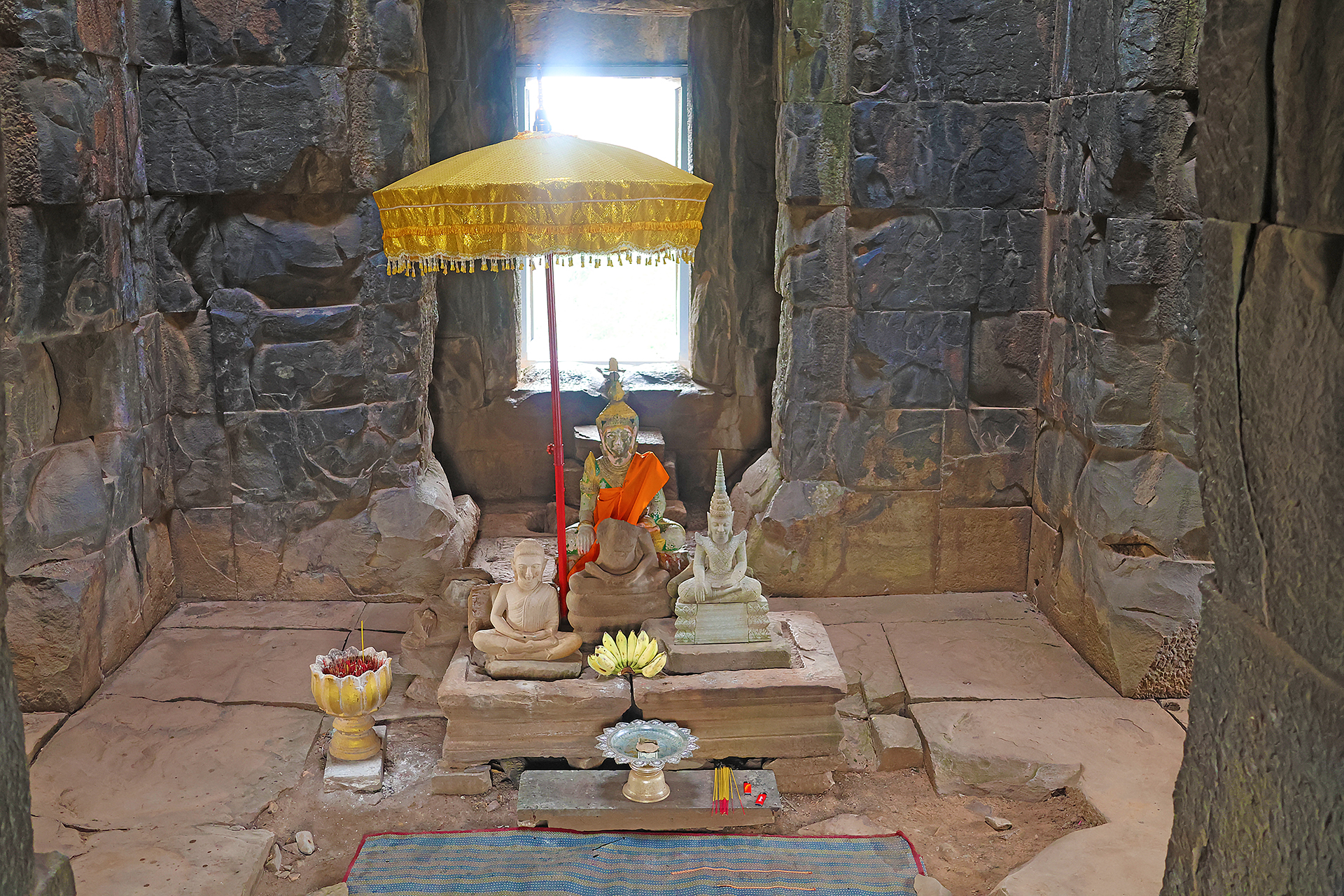
As sites within Angkor Archaeological Park are significant in the history, religion, and culture of the people who are native to the region, wear respectable clothing that covers as much of your body as possible — which may sound conflicting to wearing clothing that is comfortable — as all of the ancient temples are active sites of Hindu worship.
Do not wear clothing with controversial sayings; that reveal too much skin; or that is otherwise considered disrespectful. For example, pants are encouraged for both men and women. I was told that elbows should not be exposed; but no one who wore shirts or blouses with short sleeves were not stopped from visiting the temples. A simple scarf can go a long way towards meeting the “dress code” of Angkor Archaeological Park.
As a loose guide, if you have to ask whether you should wear a certain piece of clothing, you probably should not wear it to Angkor Archaeological Park.
7. Assess Your Fitness.
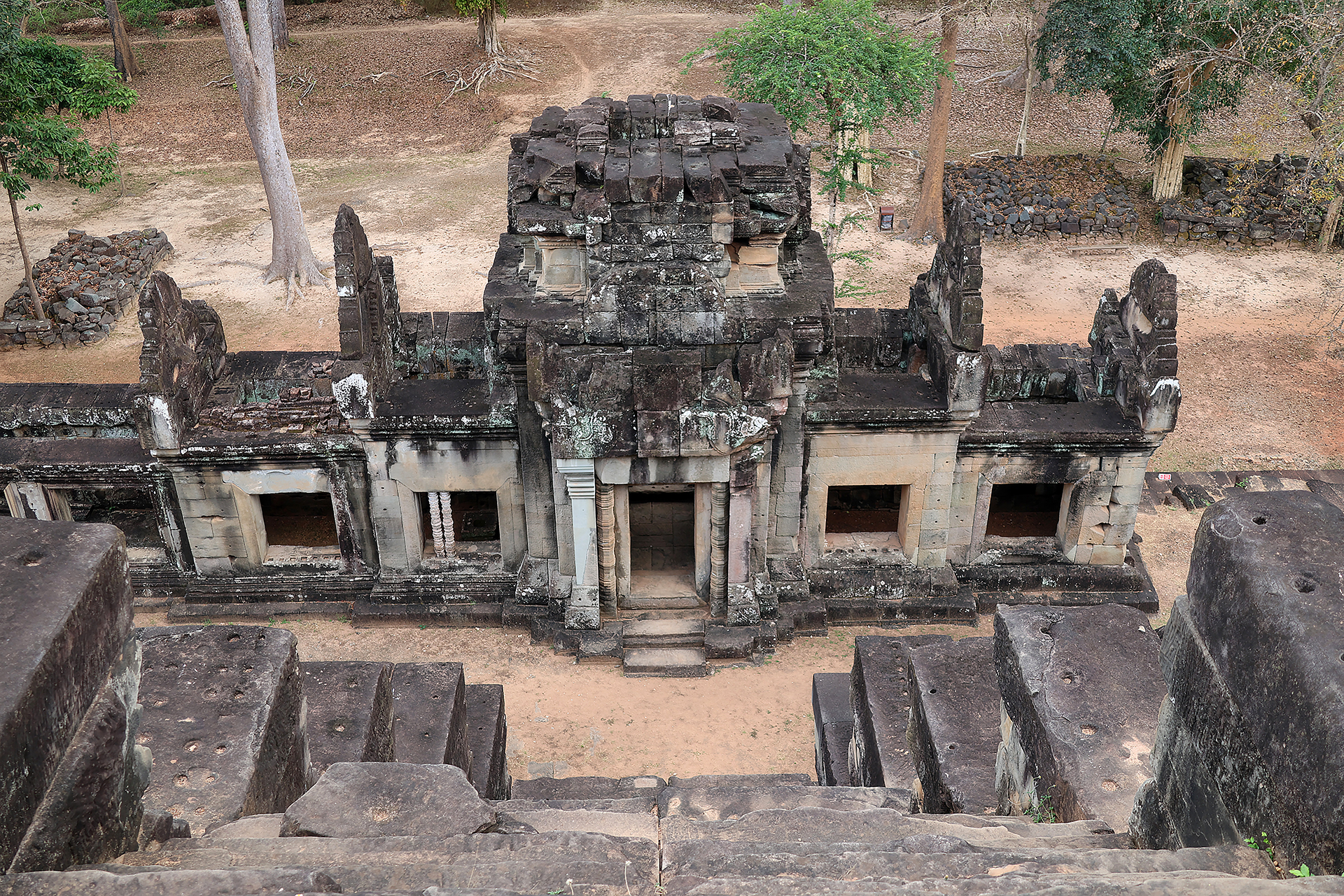
If you are a person who needs assistance, you might want to reconsider going to Angkor Wat. Although many temples have stairs made of wood or steel that were installed for easier access for visitors, do not expect ramps or other aides that would be otherwise mandated by the Americans with Disabilities Act of 1990.
Also, the number of benches and other types of seating can be very limited at some temples. Although you will not be discouraged from sitting on large ancient stones that were once walls in the temples, doing so could potentially harm the stones via erosion, sweat, oils, and other factors.
8. Purchase a Pass Prior to Your Visit.
Unless you intend to spend a long time at Angkor Archaeological Park, plan which temples you want to see ahead of time. Purchase a pass to Angkor Archaeological Park in advance in order to save yourself the hassle of visiting the ticket office and not be required to wait in line to purchase your pass on the first day of your visit. The pass can be valid for one day, three days, or seven days — with three days being the most popular option. You can go directly to temples without wasting time — and official personnel of Angkor Archaeological Park will be checking your pass prior to entering each temple.
9. Arrange for Your Preferred Transportation Option.
Speaking of transportation, you will not only need to get from the hotel or resort property at which you are staying to Angkor Archaeological Park; but you will also need transportation between the temples.

Transportation options range from large tour buses with dozens of other visitors to tuk-tuks that are not air conditioned to renting and riding a bicycle.
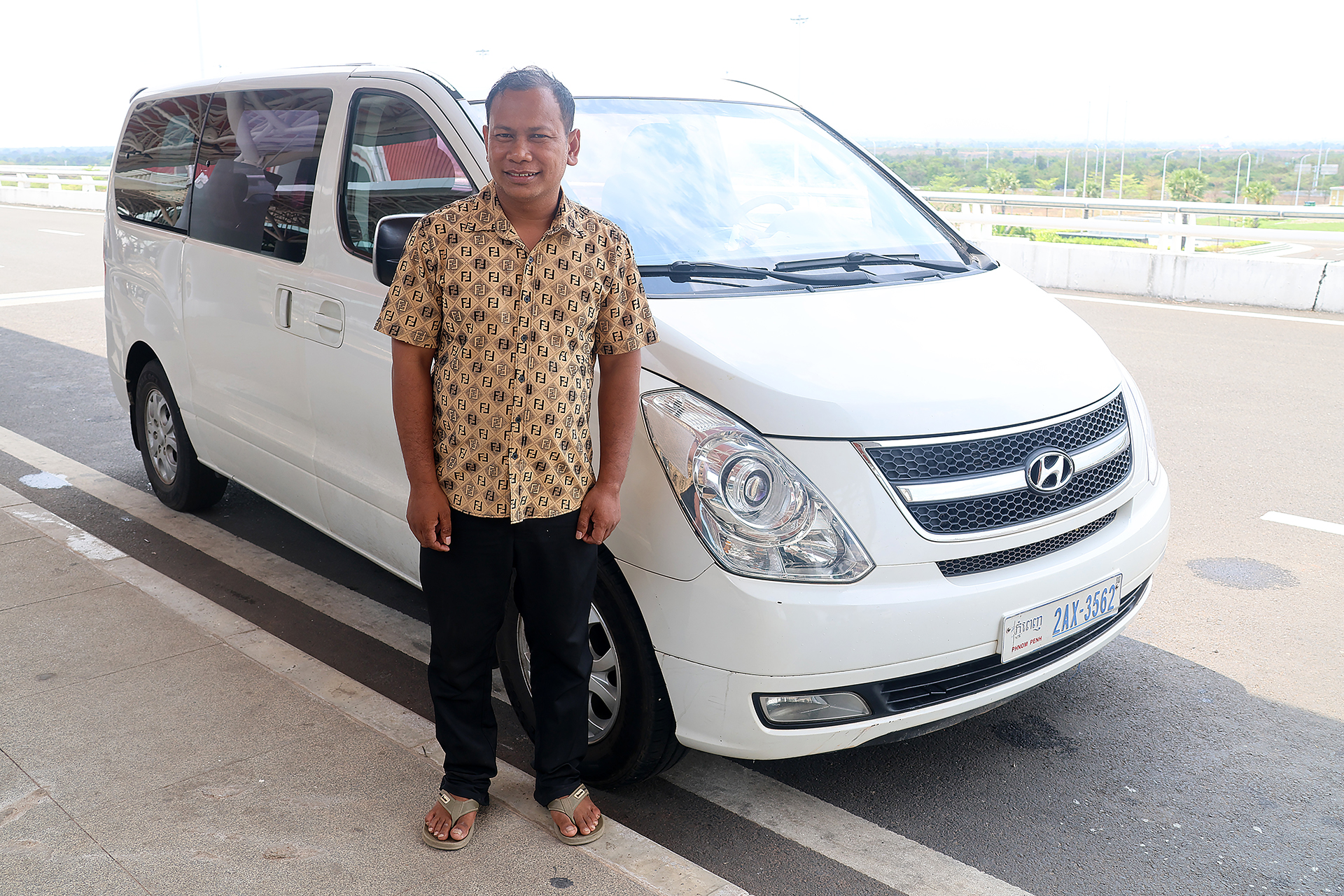
We hired a driver for four days — whom I highly recommend — to not only transport us to Angkor Archaeological Park and between the temples; but also for transportation from Siem Reap Angkor International Airport and back to the airport at the end of our stay in Cambodia. He provided cold bottles of water after we were done visiting each temple; and we were in a minivan that was equipped with air conditioning that provided relief and comfort that was truly needed. He also gave a brief history of each temple and answered any questions that we asked. Unlike with a tour group, you can customize what you want to see and experience with the driver.
Contact Nakry Mean at 855-17-761-110 via WhatsApp at if you are interested in hiring our driver to see Angkor Archaeological Park. Other contact information for Nakry is as follows:
- E-mail message: oppoa18cb@gmail.com
- Facebook: Siem Reap Batmobile Tuk Tuk
- Instagram: @nakrymean
10. Do Your Research.
Get familiar with the basic history of Angkor Wat and Angkor Archaeological Park, which may help you better appreciate your visit when you finally see it in person and free up more time to learn about it in-depth — or take photographs of the signs and placards to read later, if you prefer.
Note that children who are younger than the age of twelve will not be able to enter certain areas of the Angkor Archaeological Park. If you are traveling with kids, plan accordingly prior to visiting Angkor Archaeological Park.
11. Bring Cash — Just In Case.
Once a pass is purchased, cash is not necessary to bring with you to Angkor Archaeological Park — unless you want to purchase souvenirs or food from the stands that are set up by local residents outside of the gates of each temple.
If you are not participating in a tour group or did not hire a driver for the time you will be visiting Angkor Archaeological Park, you may need cash for tuk-tuk rides or other forms of transportation.
12. Have Fun — and Learn!
Need I say more?
Final Boarding Call
Visiting Angkor Wat and Angkor Archaeological Park can potentially be an incredible experience — or it can be a difficult experience if you do not first read about the 12 things you need to know about entering this historic ancient site.
All photographs ©2026 by Brian Cohen.
