
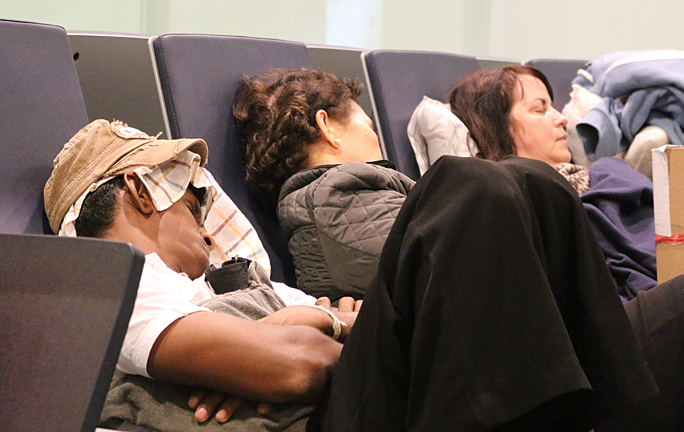

The environment can be significantly different aboard an airplane during a flight than when you are on the ground at home, at work, at play or at rest due to the pressure inside of a cabin aboard an airplane; as well as dry air and having to sit in one cramped place for an extended period of time — all factors of which you have no control and lead to the six unpleasant things travel by air does to your body flying as a passenger aboard an airplane.
Six Unpleasant Things Travel by Air Does to Your Body — and What to Do About Them
Fortunately, you can prevent and combat the unpleasantness of those six unpleasant things, which are described in greater detail in this article.
Without further ado, let us get started…
1. Swollen Legs, Ankles, and Feet
Oh, swell. Sitting in one place for long periods of time in a small space without a lot of legroom decreases your circulation — which in turn causes your legs to feel heavy and swell. In severe cases, doing so can also lead to deep vein thrombosis and other types of blood clots forming in your legs, which could travel to your lungs — and that can be deadly.
Drink plenty of water and get up at least once per hour to walk around. For me, this is a perfect opportunity to not only go people-watching; but also to explore the other cabins on the aircraft, if it is at all possible. Sometimes you might chance engaging in a casual conversation with a member of the flight crew or a fellow passenger not seated near you. Other times, it is either to go to the lavatory or retrieve something out of my baggage in the overhead compartment storage bin. If you are not able to walk around, you can pump your feet for a few minutes every half hour. I personally like to stretch my arms and legs whenever possible.
2. Dry Skin
The air aboard an airplane contains significantly less humidity than what you and I typically experience, which can lead to various ways of dehydration. Drink plenty of water; and avoid alcohol and caffeine.
My experience on long-haul flights is that members of the flight crew are usually proactive pertaining to ensuring that you are hydrated; and you can always ask for a drink if you are thirsty by using the flight attendant call button. Other than cola, I do not drink caffeine; and I do not consume alcoholic beverages of any kind. Lotions, lip balms, and eye drops can help alleviate any discomfort. I recommend taking one small bottle of lotion from your hotel room — if it is supplied as a complimentary amenity — as it is usually small enough to be easily portable and will fit with other liquids in a quart-sized zippered plastic bag; and you can refill it with your favorite lotion, if necessary.
3. Bad Breath or Halitosis
When you are on an airplane, many of the systems in your body slow down — which includes the production of saliva, which allows bacteria to flourish. Worse is that many travelers also alter their diets by either overdosing on processed food, sugary beverages, candy, or other unhealthy items, which encourages halitosis. Not eating all day also leads to bad breath.
In addition to the advice on battling bad travel breath by eating healthfully, staying hydrated and brush your teeth after meals, I might also recommend using mouthwash with the capability of fighting germs in your mouth. Better yet, eating raw carrots and celery has also been known to naturally help relieve halitosis while providing needed nutrition; and when property wrapped, they do not spoil quickly — so you can take them with you aboard the airplane.
You may want to carry a few extra sticks of carrots and celery in case the person seated next to you aboard the airplane has bad breath but will not accept a mint from you — and hope that that person likes to eat raw vegetables…
…but I wonder: if you ask a member of the flight crew for food while you have bad breath, would that be an incentive for him or her to get you something to eat as soon as possible just to avoid having to experience your bad breath any longer? Garlic and onions, anyone?
4. Bloating, Flatulence, and Constipation
Bloating, flatulence, and constipation can be the result of a slower metabolism caused by sitting in one place for long periods of time. I personally prefer not to cut down on my calorie intake as advised — especially if I might need the energy at the conclusion of the flight to arrive at an appointment in time or to beat the time when traffic is expected to be heavy; and especially when the food is delicious as it was on this particular flight operated by KLM Royal Dutch Airlines from Amsterdam to Seoul.
Twisting side to side in my seat to wring out the gastrointestinal tract and the muscles of the stomach, which will help everything keep moving is something I would rather not do.
Confidentially — between you and me — I would rather everything in the process “stalled” until I arrive either at my home or the hotel room where I will be a guest. I feel more relaxed; more amenities are available; the fluid in the toilet is clear and not blue; and the facility is significantly larger overall. Toilet tissue paper in an airplane lavatory is not exactly luxurious, after all.
5. Altered Taste Buds
Well, I guess altered taste buds explains why I polish off most meals served to me aboard airplanes even though I am a fairly finicky eater.
The air aboard the airplane apparently dries out the mucous membranes in your mouth and nose, which are both very closely related to your sense of taste and can alter your taste of certain foods by as much as 30 percent.

Unfortunately, that same dry air cannot alter the texture of some of that food to something more palatable — nor can it alter the rainbow of colors resembling an oil slick on that round disk of mystery lunch meat served with the meal, which is one thing I will not eat no matter how hungry I am…
6. Drowsiness
Airline cabins during a flight reportedly have roughly the same pressure as if you were at an elevation of approximately 6,000 feet to 8,000 feet; and that reduced pressure can lower the amount of oxygen absorbed by your blood, which can cause you to feel listless or dizzy— as well as affect your inner ears. Because I do not fall asleep easily aboard airplanes during a flight, I welcome the drowsiness at times. Besides, those increasingly uncomfortable seats — such as the one experienced by me on this flight operated by Alitalia — combat the drowsiness quite well, I must admit.
Airlines should embark on a campaign to ensure that all seats are more comfortable. This way, the drowsiness can envelop as many passengers as possible, saving on having to serve meals and refreshments of any type — meaning that they could eventually save on fuel by not having to haul as many. In-flight entertainment could also become obsolete as a side benefit. Also, passengers do not have to use the lavatory as often when they are sleeping.
Think of the money airlines could save! Then again, this concept could backfire if the pilots and members of the flight crew are affected and too sleepy as well.
Final Boarding Call
You may be able to prevent and combat the unpleasantness of the aforementioned six unpleasant things for yourself — but unfortunately, doing so for fellow passengers is substantially more difficult.
If you believe that this article missed any other unpleasant things travel by air does to your body, please list them in the Comments section below.
Photograph ©2015 by Brian Cohen.
