

Will purchasing vehicles become impossible for many people — to the point where renting or leasing a vehicle becomes the norm in the future?
Will Purchasing Vehicles Become Impossible For Many People?
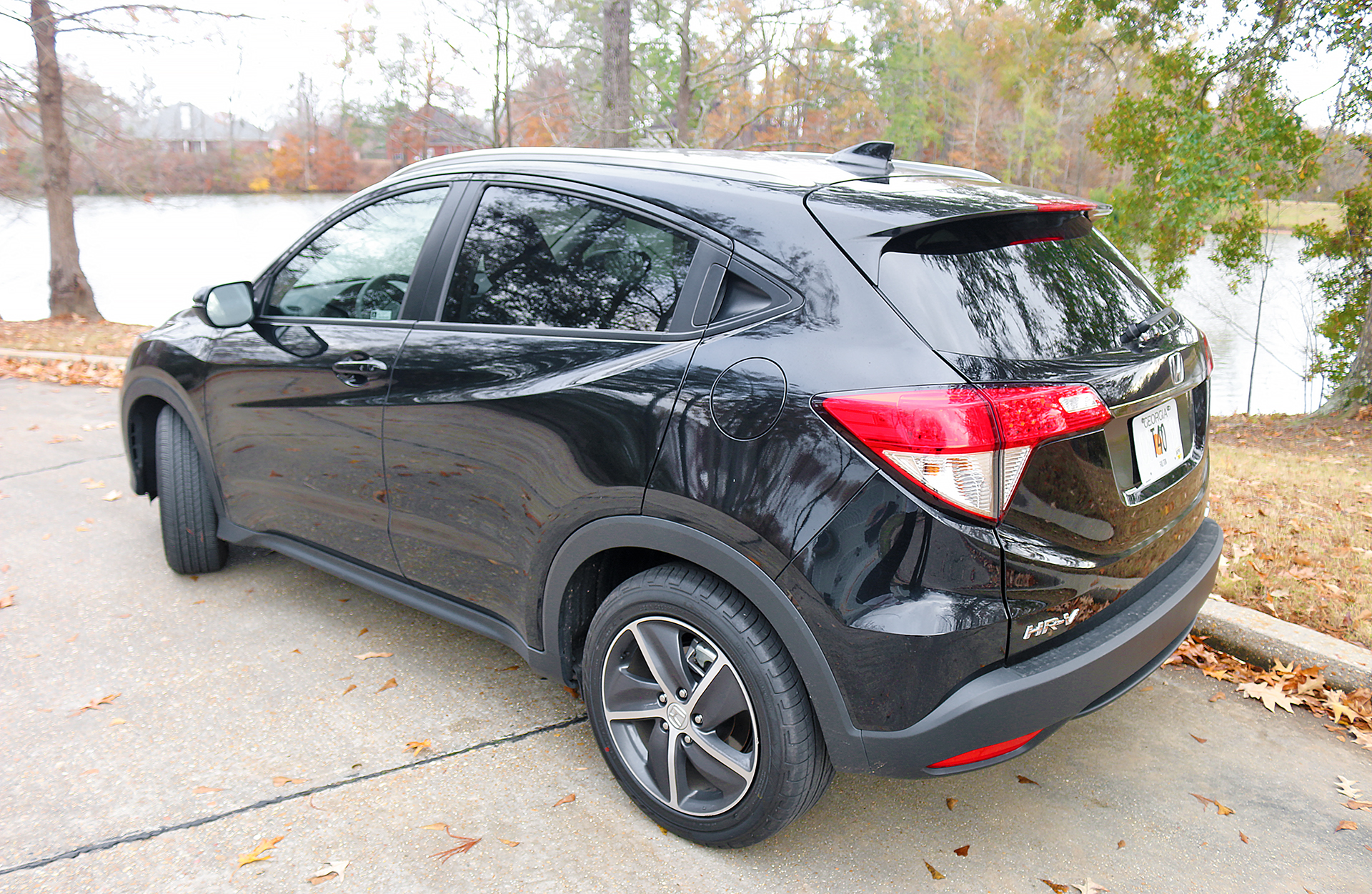
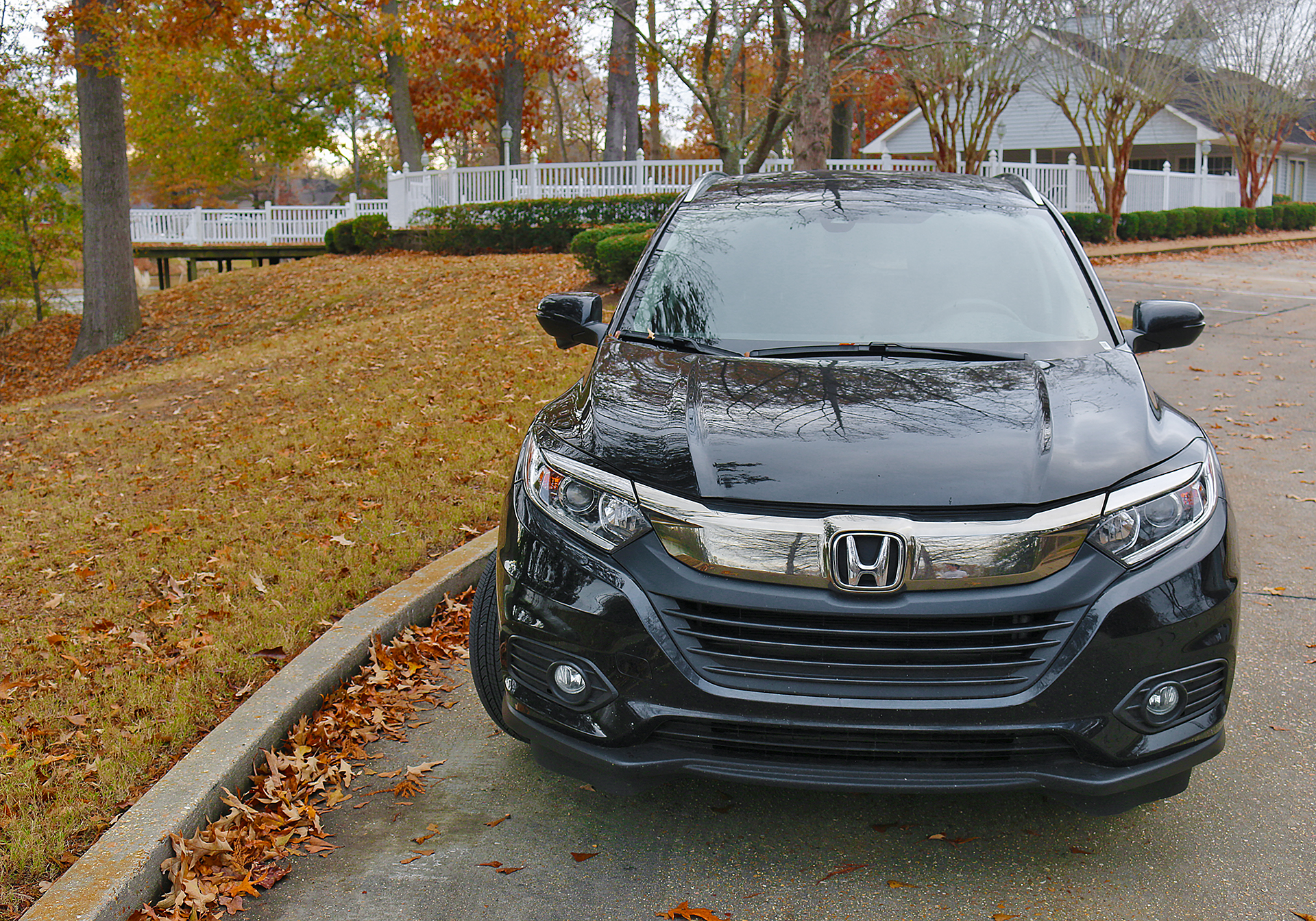
I ask this question because someone I know who owns a 2019 Honda HR-V — which was purchased new from the dealer — has been experiencing problems over the last couple of months. The engine sounds rougher and does not run as smoothly anymore; flooding has occurred on the passenger side of the car which leaves the floor and carpeting on the inside wet; and the air conditioning has slowly began to fail.
She brought the vehicle to a local dealership for an evaluation by members of the team of its service department. Apparently, a seal or gasket failed somewhere along the air conditioning system and resulted in continuous damage to other parts of the engine. Fixing this issue would cost approximately $5,000.00 at the dealer.
The vehicle was then brought to an independent shop which specializes in repairs such as the one her vehicle needs. “It all does need to be replaced”, she lamented. “Completely shot. And there is not a reliable aftermarket compressor so it will need to be Honda parts for that.”
The repairs can be done within five days with the same warranty that American Honda Motor Company offers for a savings of slightly greater than $1,000.00.
The Current — and Future — State of the Automotive Industry
He explains in that video that mechanics are becoming nothing more than part replacers, as manufacturers of vehicles refuse to sell parts to them to fix vehicles. For example, if a part of a transmission fails, the manufacturer would rather sell a brand new transmission to replace the broken transmission — which will cost thousands of dollars — rather than sell a part of the transmission to a mechanic, who can fix it for a few hundred dollars. This practice is one of the ways in which manufacturers of vehicles can increase revenue at the expense of customers.
Even parts that used to be inexpensive to replace have substantially increased in cost. When windshield wipers could no longer adequately clear the windshield — and thereby cause a safety risk of not being able to see the road ahead as clearly as possible — one could go to a store that sells parts for vehicles and purchase refills for those windshield wipers for approximately four dollars each. Because windshield wiper refills are now either difficult to find or are no longer sold, one must pay at least $15.00 for each new windshield wiper blade instead of simply replacing the rubber refills.
In other words, one must pay a minimum of $30.00 for two new windshield wiper blades instead of eight dollars for two refills.
Another example is a key. If one needs a spare key on an older vehicle, all that person needed to do was go to the nearest local hardware store and get a new key for three dollars…
…but most newer vehicles that are sold these days include two electronic key fobs — so if a spare one is needed for a third driver, be prepared to shell out at least $17.00 for a third electronic key fob, which can cost as much as $150.00 if you want a genuine original version of it.
Possible Solutions to Purchasing New Vehicles?
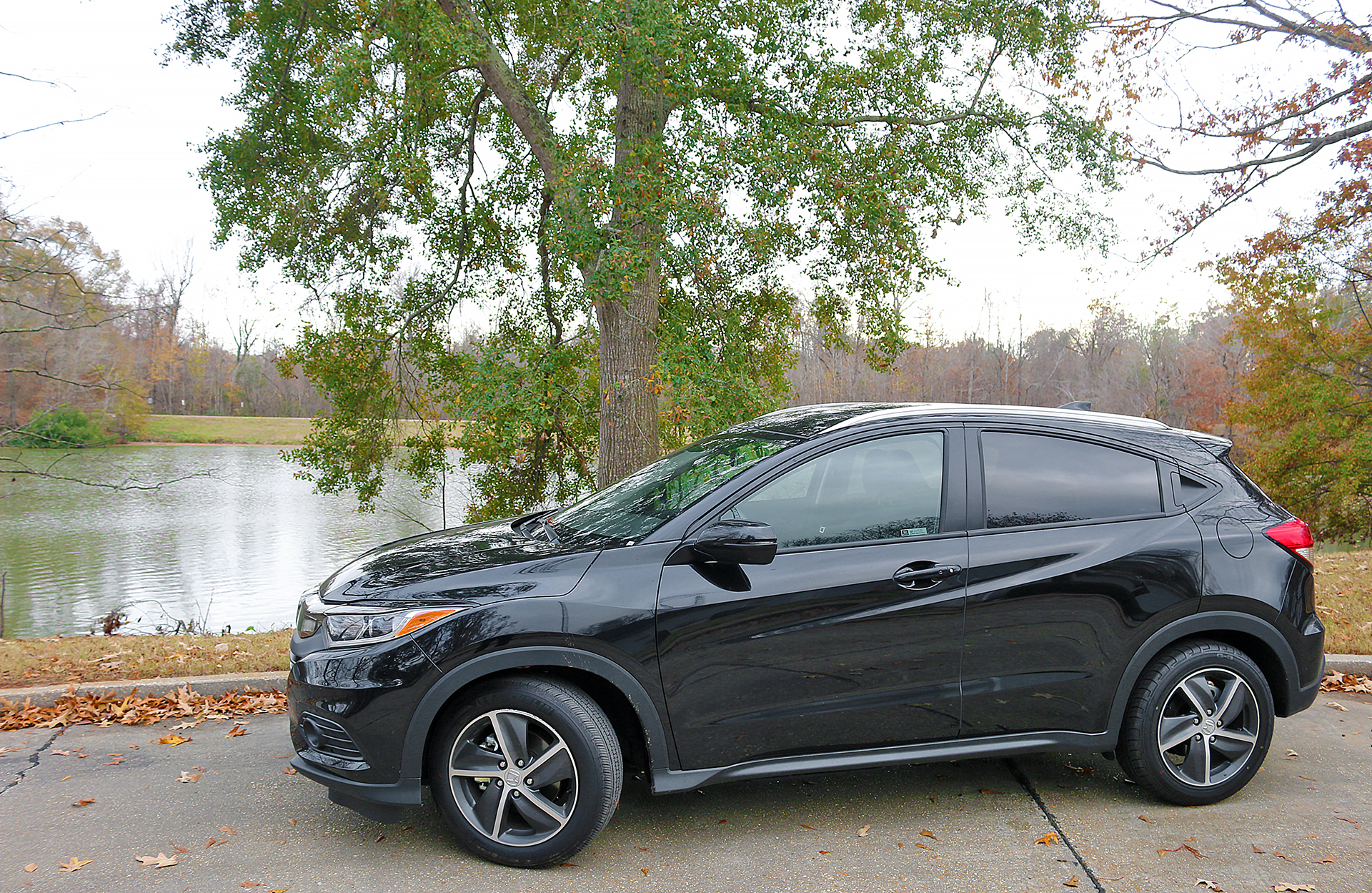
Motor vehicles have become more sophisticated in terms of technology, which is good for owners who love all of the bells and whistles. An increasing number of electronics and computers are being installed in vehicles…
…but so are parts whose quality are not as good as older vehicles. They tend to break down easier and sooner. The cost of replacing them can easily cost more than the value of the vehicle itself. This is especially troubling if one gets into an accident — only to have a claim be turned down by the insurance company of the driver who was at fault because insurance companies are loathe to spend more to fix a vehicle than it is worth. This means that the owner of the damaged vehicle is given a paltry sum of what the insurance company believes that the “totaled” vehicle — and the owner is left with figuring out how to replace that vehicle, which might have been reliable and low in cost to maintain.
Possible solutions to the portending changes in the automobile industry in general are expensive — but perhaps an increasingly better value than simply owning a vehicle.
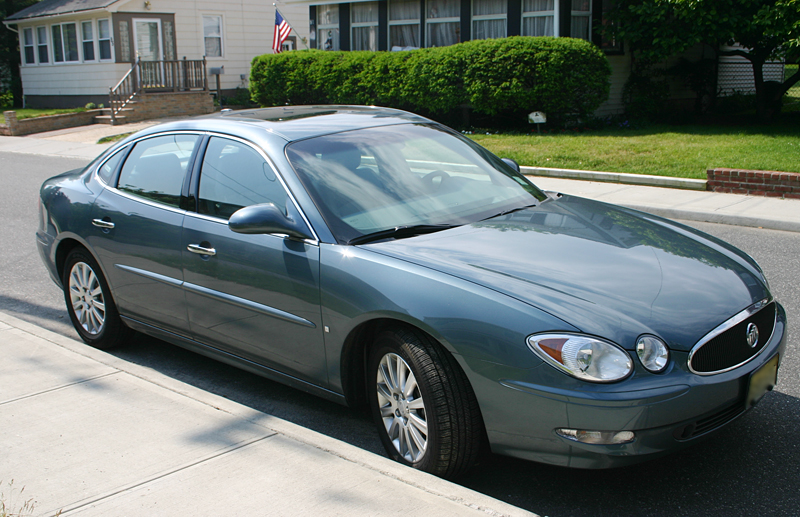
1. Purchase an older vehicle.
- Advantages:
- The cost of an older vehicle can save the purchaser thousands of dollars.
- If the older vehicle is a workhorse, the costs to own the vehicle would potentially remain low.
- Older vehicles do not lose their value as fast as newer vehicles, which can lose up to 20 percent of their value simply by driving them off of the parking lot of the dealership.
- If a loan is taken out on an older vehicle, payments end when the vehicle is paid in full.
- Disadvantages:
- Newer technology would not be included in the older vehicle — which means that either aftermarket technology would need to be added; or the newer technology could be incompatible with the older vehicle.
- The chance of original parts failing in the older vehicle increases as the vehicle ages.
- You must find a good reliable mechanic to repair your older vehicle.
- As the vehicle ages, replacement parts could become significantly more difficult to find.
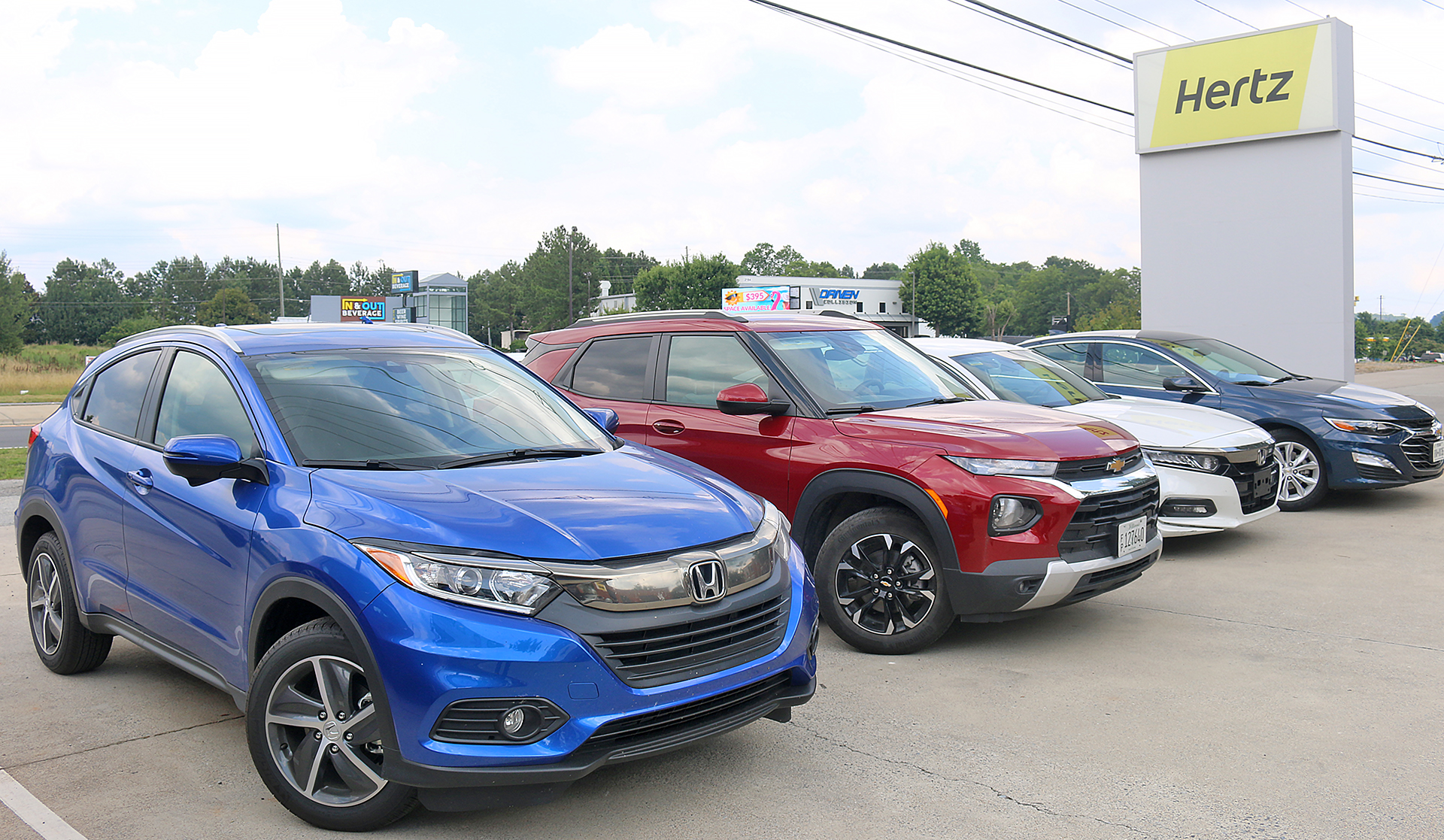
2. Rent a vehicle.
- Advantages:
- The vehicle could be rented for a minimum duration of only one day.
- Choose whatever vehicle is available at the time.
- No extra costs are involved — especially if you have a premium credit card with rental car insurance.
- Rental vehicles usually include unlimited miles.
- Disadvantages:
- Renting a vehicle is typically the most expensive option. Even if a car was rented for only $30.00 per day, that can cost up to $930 per month.
- Retrieving and returning the rental car could be inconvenient — unless the facility is near where you are based or the company delivers the vehicle to you.
- The rented vehicle usually must be returned to the same facility where it was picked up. Dropping off a rental car at a different facility can incur significant additional fees.
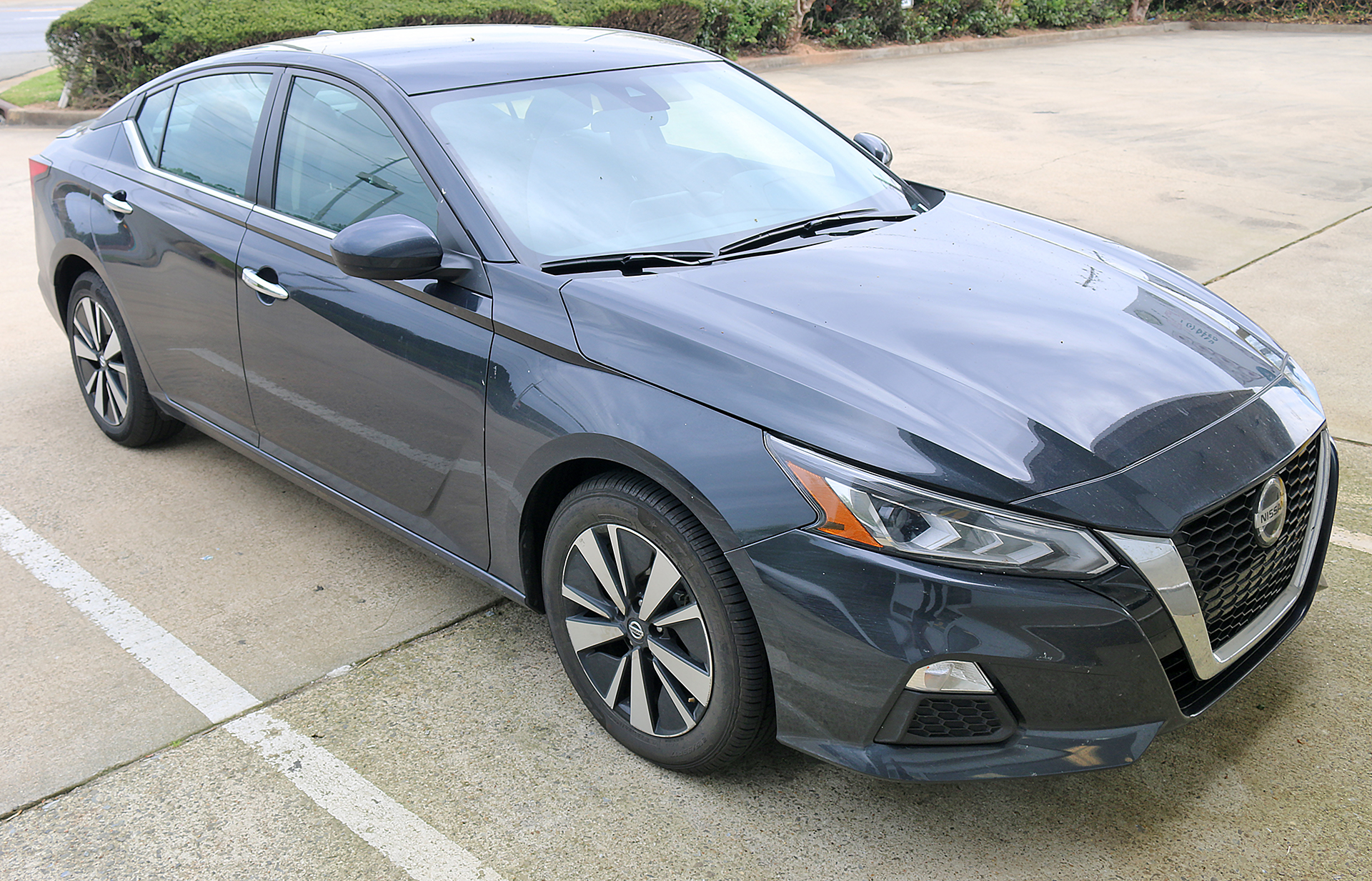
3. Lease a vehicle.
- Advantages:
- Leasing a vehicle is less expensive than renting a vehicle.
- Monthly payments are less expensive than those of a loan to own a vehicle.
- No extra costs are involved for maintenance and repairs, as the leased vehicle is usually covered by a warranty by the manufacturer.
- Disadvantages:
- Drivers are locked in to the minimum length of time to lease a vehicle, which is typically two years.
- Leasing a vehicle can be costlier if you have less than stellar credit.
- Lessees are required to purchase their own insurance policies for automobiles as if they owned the vehicles.
- Proof of consistent income is required.
- Permanent changes are typically not permitted in the leased vehicle — such as installing and replacing an audio system.
- The leased vehicle must be returned to the same dealership where it was picked up.
- Exceeding the mileage allowance on the vehicle can be costly, as each mile that exceeds the limit will be charged.
- Wear and tear fees could be added if the vehicle is returned to the dealership in worse condition than expected.
- The lease can be difficult and costly to end early.
4. Flexible Vehicle Arrangements.

One example of flexible vehicle arrangements was Porsche Drive — which used to be called Porsche Passport — which was covered in this article here at The Gate With Brian Cohen; but the program was reportedly discontinued in 2025 in much of the United States. Porsche Drive is apparently still available in Canada and at least at one dealership in north Houston.

“Porsche is modeling their program off the Book by Cadillac service”, Nick — who is a reader of The Gate With Brian Cohen — wrote in this comment. “It is marketed as an alternative to car ownership — and targets millennials will good cash flow in urban areas.” Unfortunately, that service seems to have been canceled on Saturday, December 1, 2018 and was never revived due to high operational costs.
Fear not, though: if this option interests you, Flexcar is the latest company to offer flexible vehicle arrangements in the form of a month-to-month lease— and customers are not confined to one brand of vehicle as with Porsche or Cadillac, as many different brands and models are available through this service. Additional information about Flexcar can be found here.
- Advantages:
- The minimum length of time to have possession of a vehicle is 30 days.
- Monthly payments can equal or potentially be less expensive than those of a loan to own a vehicle.
- No extra costs are involved for maintenance and repairs — ever.
- The vehicle can be switched out for a different vehicle for a nominal fee.
- The agreement can be canceled at any time.
- Insurance is purchased as part of the agreement — meaning that a personal automobile insurance policy is not needed.
- Convenience if the company delivers the vehicle to where you are based.
- Disadvantages:
- The total cost per month to possess a vehicle can range from $400.00 to $5,000.00, depending on the vehicle and the options that are chosen
- Possessing a vehicle can be costlier if you have less than stellar credit.
- Fewer facilities than dealerships or rental car companies could mean inconvenience — unless the company delivers the vehicle to where you are based.
- Proof of consistent income may be required.
- Permanent changes are typically not permitted in the vehicle — such as installing and replacing an audio system.
- Exceeding the mileage allowance on the vehicle can be costly, as each mile that exceeds the limit will be charged.
- Monthly payments never end.
- Companies have exited this business model due to high operational costs and other issues.
5. Rideshare Services and Taxi Cabs.

- Advantages:
- Transportation is on demand.
- The only extra costs are gratuities and possible increased pricing during periods of higher demand.
- Convenience, as one can be picked up almost anywhere.
- No vehicle about which to worry.
- Do not need to drive or otherwise stay alert to the level which is required to operate a motor vehicle.
- Disadvantages:
- Expensive if used often.
- Vehicles may be in worse condition than you expect.
- The driver may be too friendly — or may not be friendly at all.
- Gratuities and possible increased pricing during periods of higher demand can be added to the total cost of the ride.
6. Public Transportation.
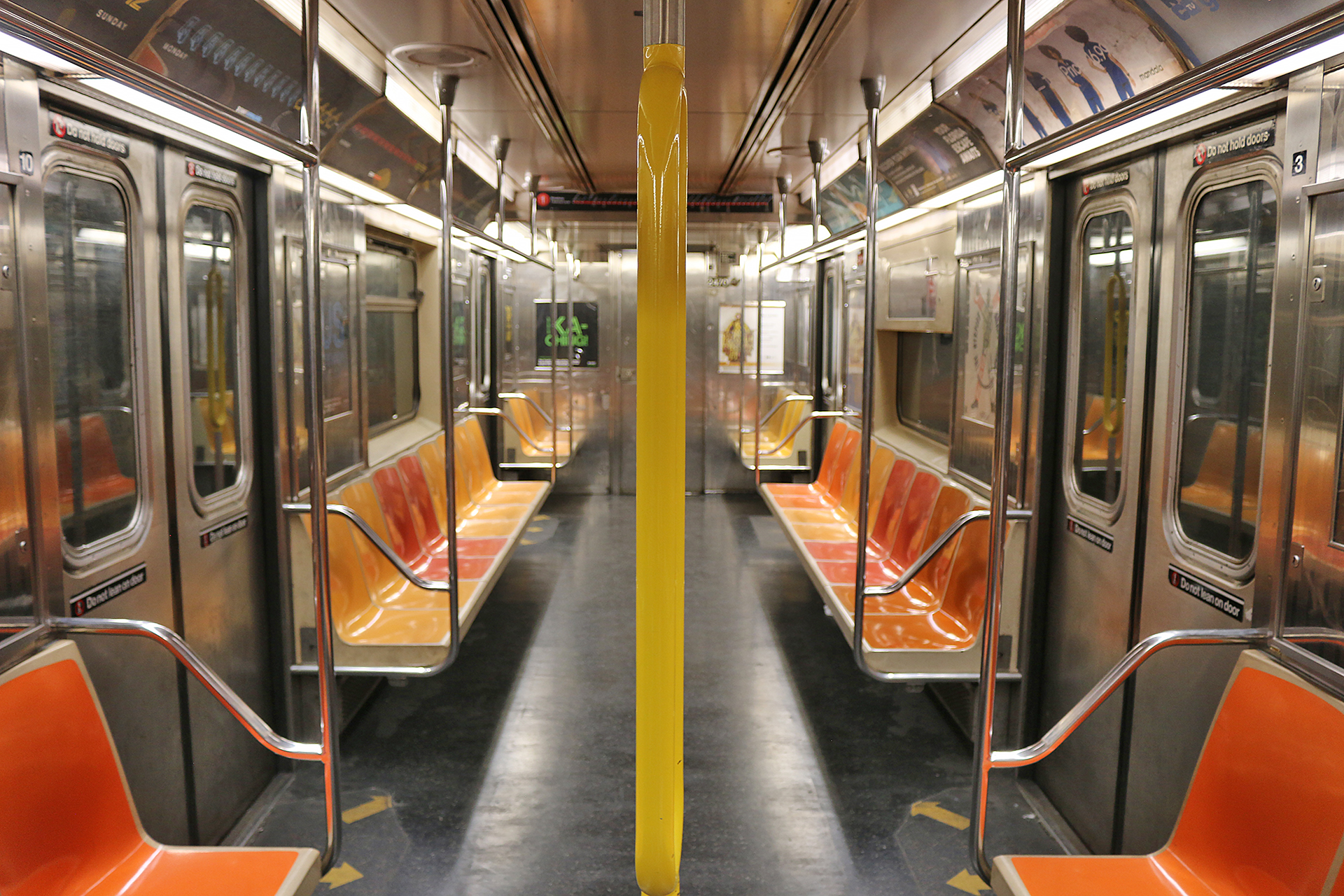
- Advantages:
- Least expensive of all options — other than walking, of course.
- No vehicle about which to worry.
- Do not need to drive or otherwise stay alert to the level which is required to operate a motor vehicle.
- Disadvantages:
- Inconvenient if the stop for public transportation is not near where you want to be picked up or dropped off.
- Passengers are reliant upon the schedule of the service which they are using.
- May not be in operation 24 hours per day or seven days per week.
- Could be the slowest of all options — depending on traffic and the number of stops.
- Likely to be the most uncomfortable of all options — especially when crowded.
- Potentially the least safe of all options.
Final Boarding Call
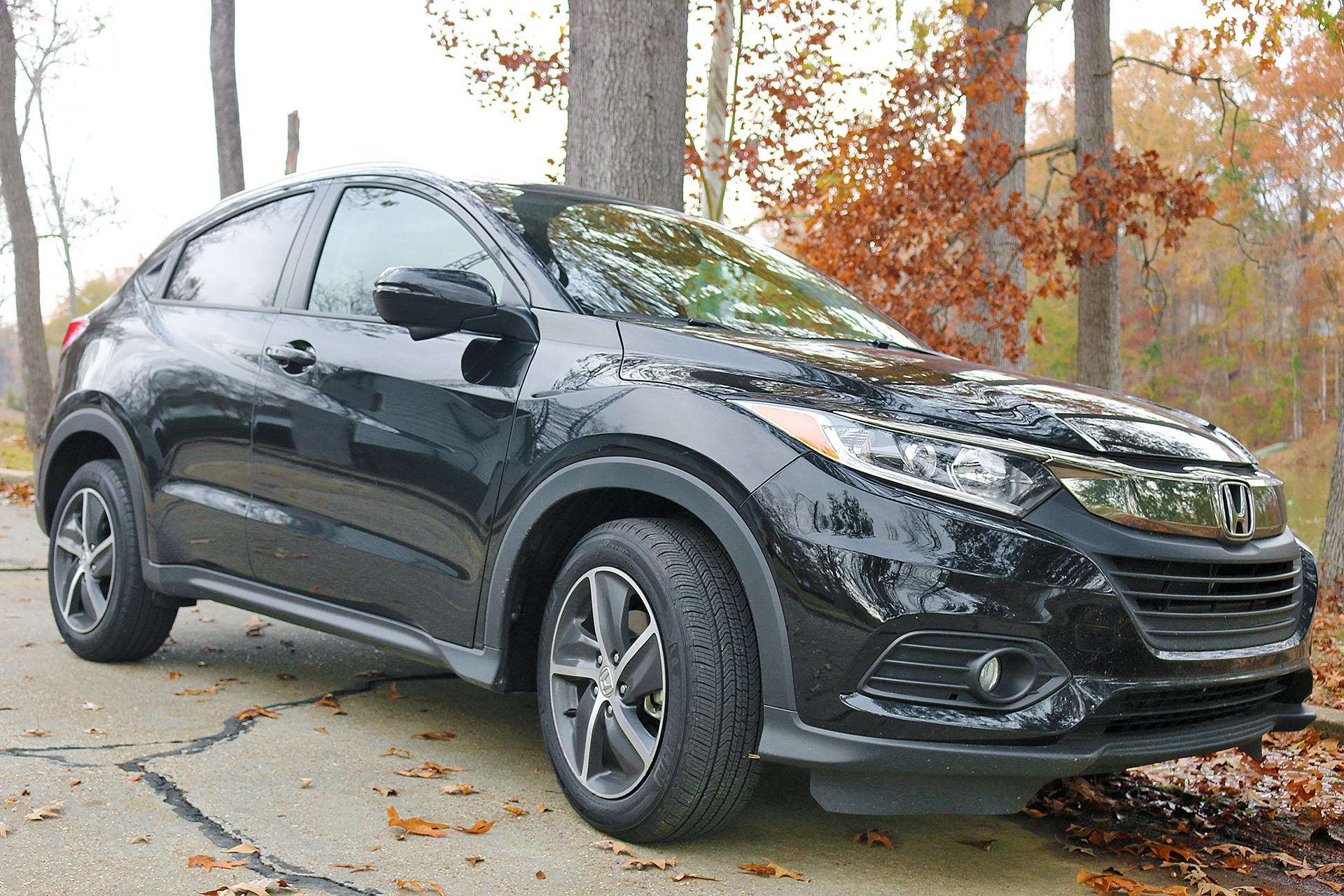
I am fortunate in that I own an older vehicle that I have owned for years and can usually repair myself if necessary; and I am also fortunate that I have not been required to commute regularly, as I have worked remotely for years — so many of the aforementioned options are viable for me in the event that my vehicle dies one day and can no longer be resuscitated.
In the past, I have owned no fewer than four cars that were manufactured by American Honda Motor Company. All of them were incredibly reliable. I either eventually sold them or lost them to accidents that were not my fault. I used to outright recommend Honda vehicles and vouch for their reliability — to the point where I would purchase one without a second thought and without considering a vehicle from a different brand. Those days are now over.
I had sporadically thought about purchasing a new — or newer — vehicle in recent years; but now I am hesitant to do so for the reasons that were stated in this article…
…so I am wondering if the leasing or renting options to have a vehicle will become more attractive as the consumer automotive industry seems to be decimating itself in the relentless search for profits. If companies such as Adobe and Intuit can force their customers to purchase online subscriptions to their software for which they must pay a monthly fee for as long as they continue using the software instead of customers purchasing the software outright and keeping it for years without paying an extra penny, why should manufacturers of vehicles deprive themselves of concocting a similar business model for increased revenue using planned obsolescence which will force customers to pay higher prices for vehicles with increasingly inferior parts for which the customers must eventually pay in the future?
All photographs ©2007, ©2016, and ©2022 by Brian Cohen.
