
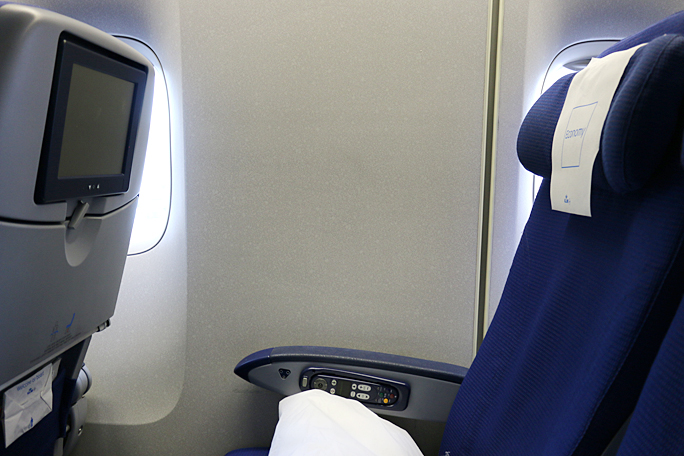

Not clearly indicating customers of window seats with no window is false advertising — especially when airlines charge extra money for these seats — as numerous reasons exist as to why passengers choose seats that are adjacent to a window rather than those which are located next to the aisle or in the middle of the row…
Not Clearly Indicating Window Seats With No Window Is False Advertising.
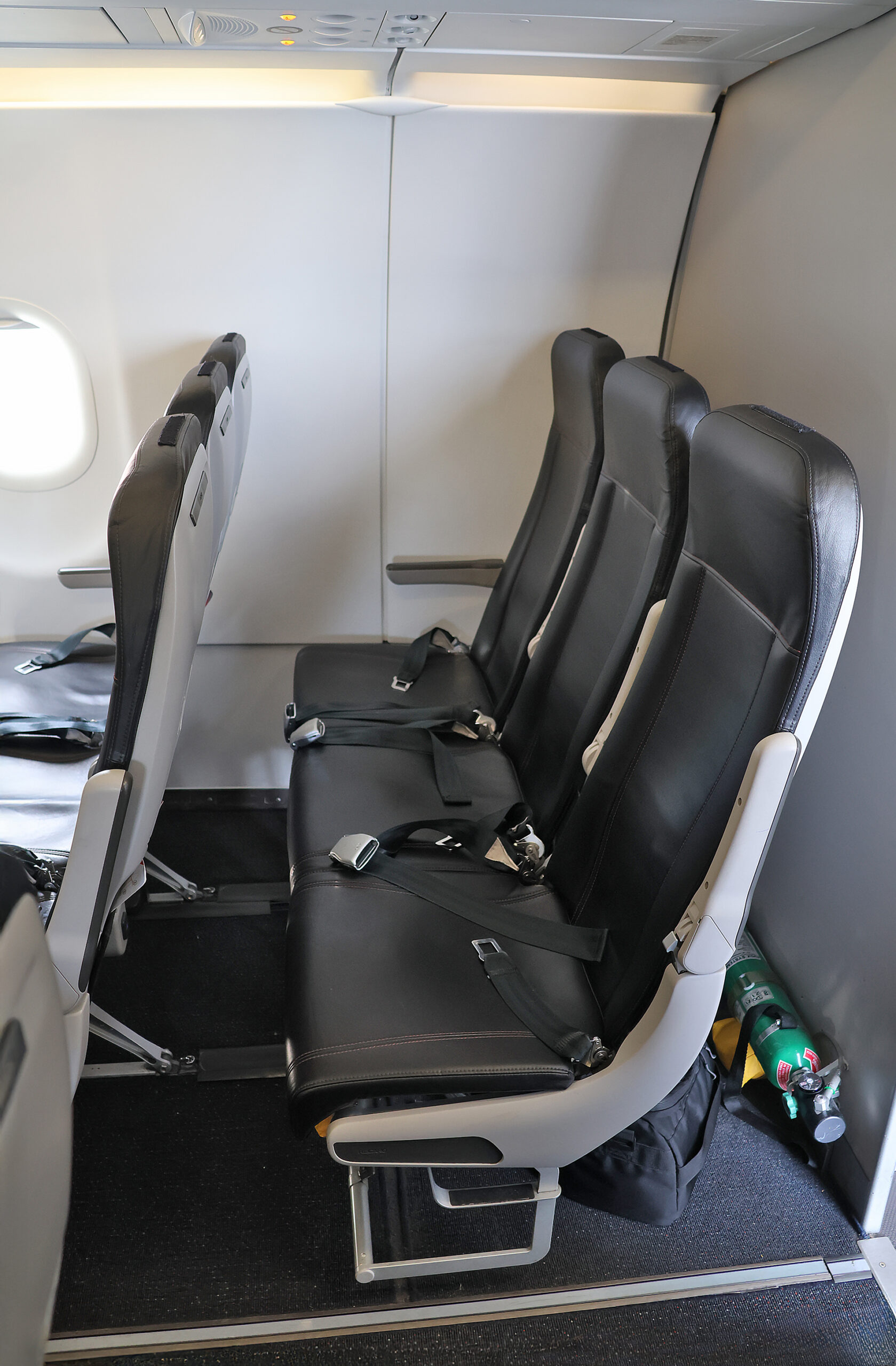
…and as a result, class action lawsuits had already been filed in August of 2025 against both United Airlines and Delta Air Lines by passengers who complained that they paid extra money specifically to sit in seats adjacent to windows — only to discover that their seats had no windows and that the carriers failed to clearly disclose the missing windows during the booking process — and instead sat next to walls aboard Boeing 737 airplanes, Boeing 757 airplanes, and Airbus A321 airplanes.
Passengers typically pay extra and specifically purchase window seats to address such issues as aviophobia — which is more commonly known as a fear of flying — motion sickness, keeping children occupied, getting more ambient light, or simply taking in the view, according to the plaintiffs.
Arguing that federal law preempted the claims of passengers, United Airlines attempted to bid to dismiss the lawsuit, stating in its defense that the word window referred to the location of a seat relative to the cabin wall and aisle; and further argued that it never contractually promised customers that seats which are in the window position would have views outside.
James Donato — who is a judge at the United States District Court for the Northern District of California in San Francisco — saw right through the cracks in that fragile defense and soundly shattered it by formally rejecting it and issued a ruling yesterday, Tuesday, July 7, 2026 that passengers may move forward with their lawsuit which claims that United Airlines engaged in breach of contract by selling window seats that did not actually have windows. Donato also reportedly said that the ticketing terms, boarding passes, and reservation screens of United Airlines state expressly that the carrier would provide window seats to passengers who paid for them.
Operating components of airplanes — such as wiring and air conditioning ducts as two of many examples — preclude the installation of a window on certain portions of the fuselage.
Wow. That Was Fast.
Interestingly, United Airlines came up with — and implemented — a very simple solution when it lost its bid to stave off legal action: on seat maps with which seats did not have a window next to it, the words No window at this seat appeared when hovering the cursor over the seat.
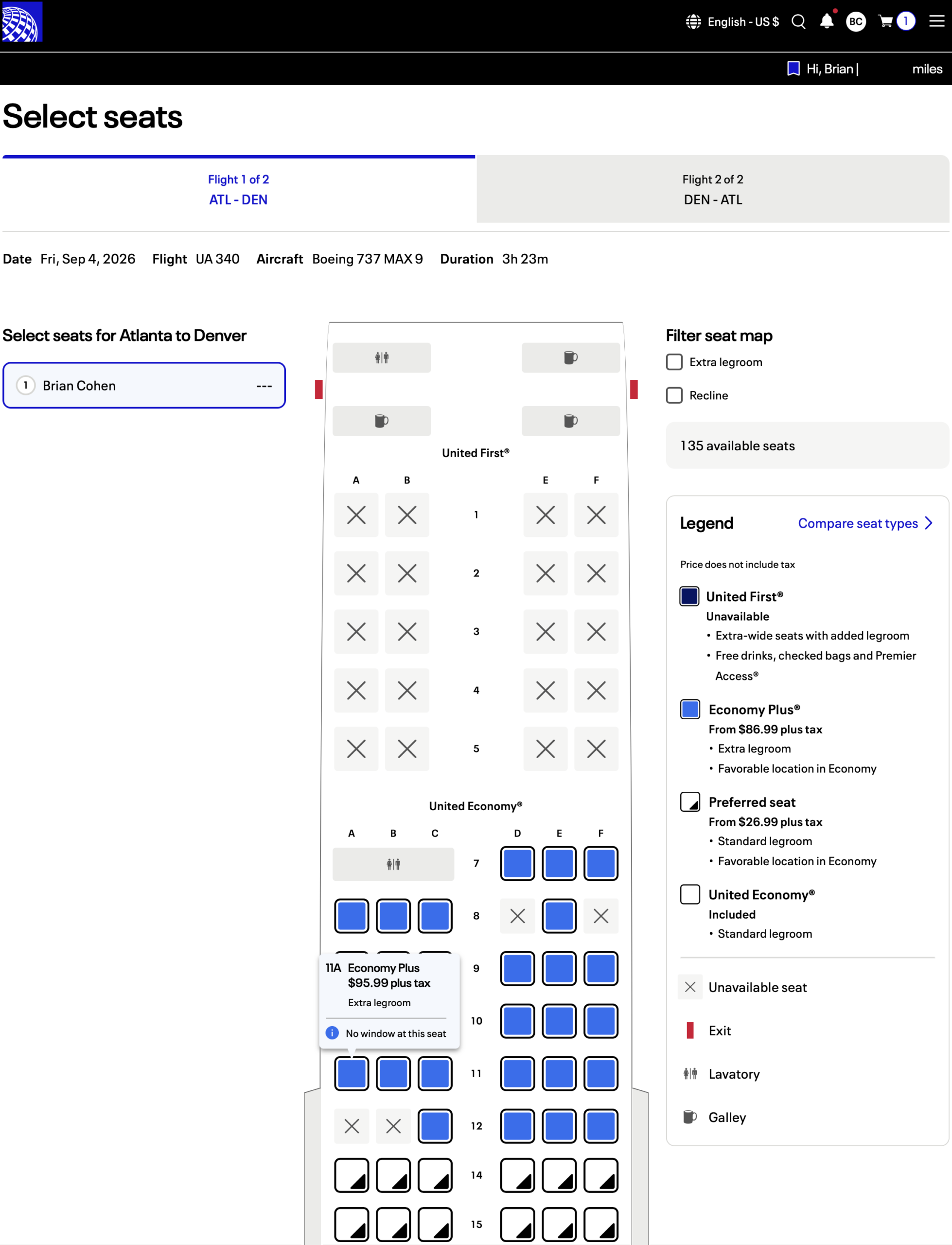
Note that the seat without a window next to it costs an extra $95.99 plus tax because a passenger can enjoy extra legroom in that seat — but not enjoy a window.
Meanwhile, Delta Air Lines is similarly seeking to dismiss the lawsuit against it at the United States District Court for the Eastern District of New York in Brooklyn.
Both lawsuits seek millions of dollars of damages for greater than one million passengers per carrier. Some passengers that are named in the lawsuit against United Airlines have reportedly since received refunds of the fees that they paid for the “window” seats; but other passengers have yet to see any compensation. The lawsuits seek compensation for damages related to the practices of both carriers.
The next phase of this case is the discovery and class certification processes — both of which can be lengthy, as at least a year is necessarily to complete them. In the meantime, either United Airlines or Delta Air Lines could opt to offer settlements to affected customers in lieu of a summary judgment or a trial. If a class action lawsuit becomes officially certified, other passengers who have paid the airlines fees for similar seats with no windows next to them could also file for compensation as part of any settlement.
Final Boarding Call
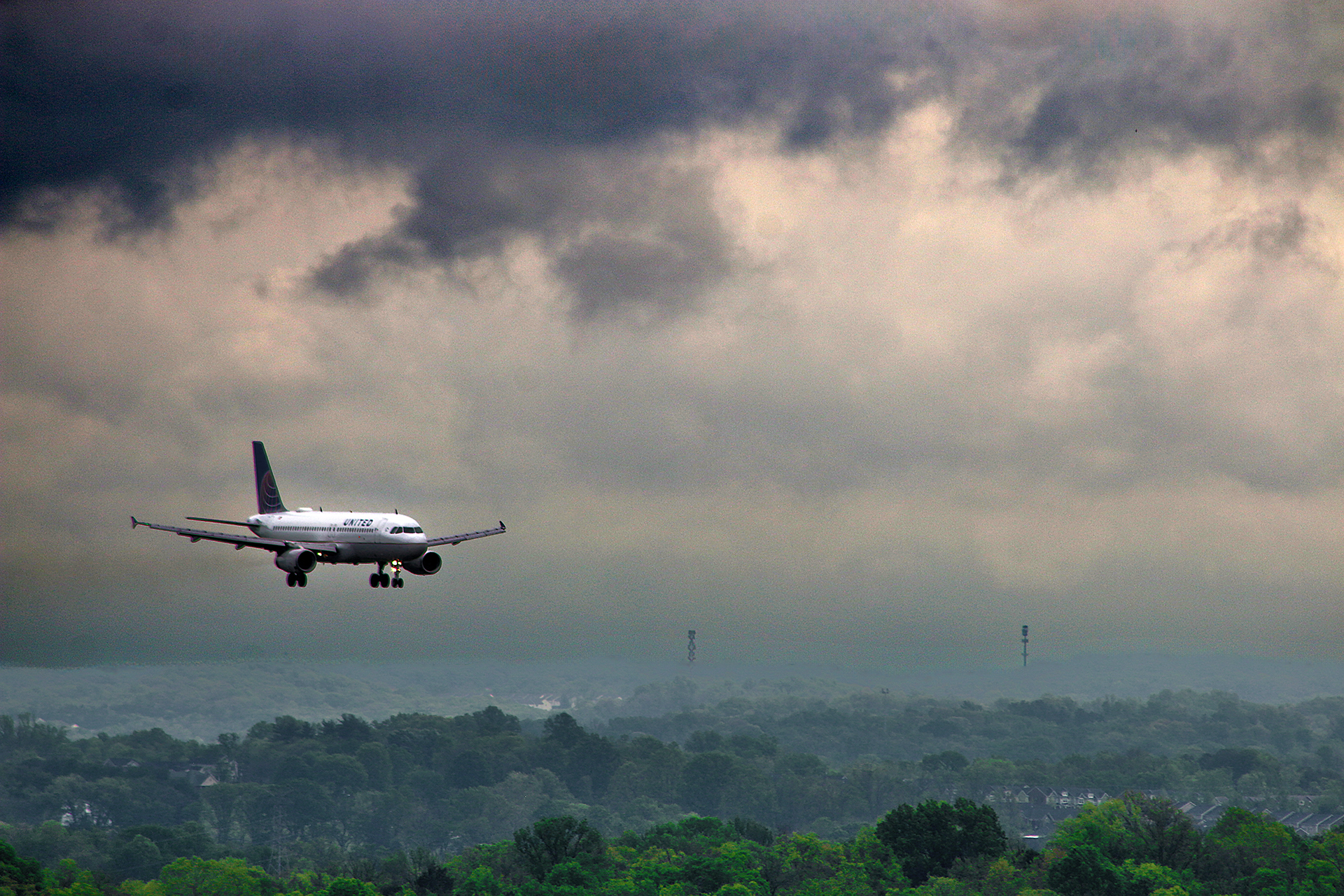
The sad part is that this form of false advertising has been occurring for years ever since airlines in the United States started charging for seat assignments — especially on discounted fares — and yet, the problem could have been easily fixed by both airlines years ago as United Airlines was “forced” to do recently. This practice of charging customers extra for a “window” seat with no window next to it is not an overlooked mistake, as the technology has already been in place for airlines to be able to extract as much money out of passengers as possible by charging different prices for different seats. Even seats in the same row can be priced differently…
…and speaking of pricing seats differently, airlines should charge less money for “window” seats that are located next to a wall without a window than comparable seats which do have a window next to them.
American Airlines and Alaska Airlines are two of a number of carriers that do provide information to passengers during the seat selection process when no actual window is adjacent to a “window” seat; so potential customers can arrive at an informed decision about whether to pay for that seat.
Advertising a window seat that is not located next to a window — and yet charging the same or higher price for that seat — is false advertising, in my opinion…
…and I hope that either the plaintiffs win their case; or that the airlines willingly correct the issue in a settlement to the satisfaction of their customers, as I cannot even imagine how much revenue and profit the airlines in question enjoyed from this nefarious practice over the years…
All photographs ©2015, ©2024, and ©2025 by Brian Cohen.
