
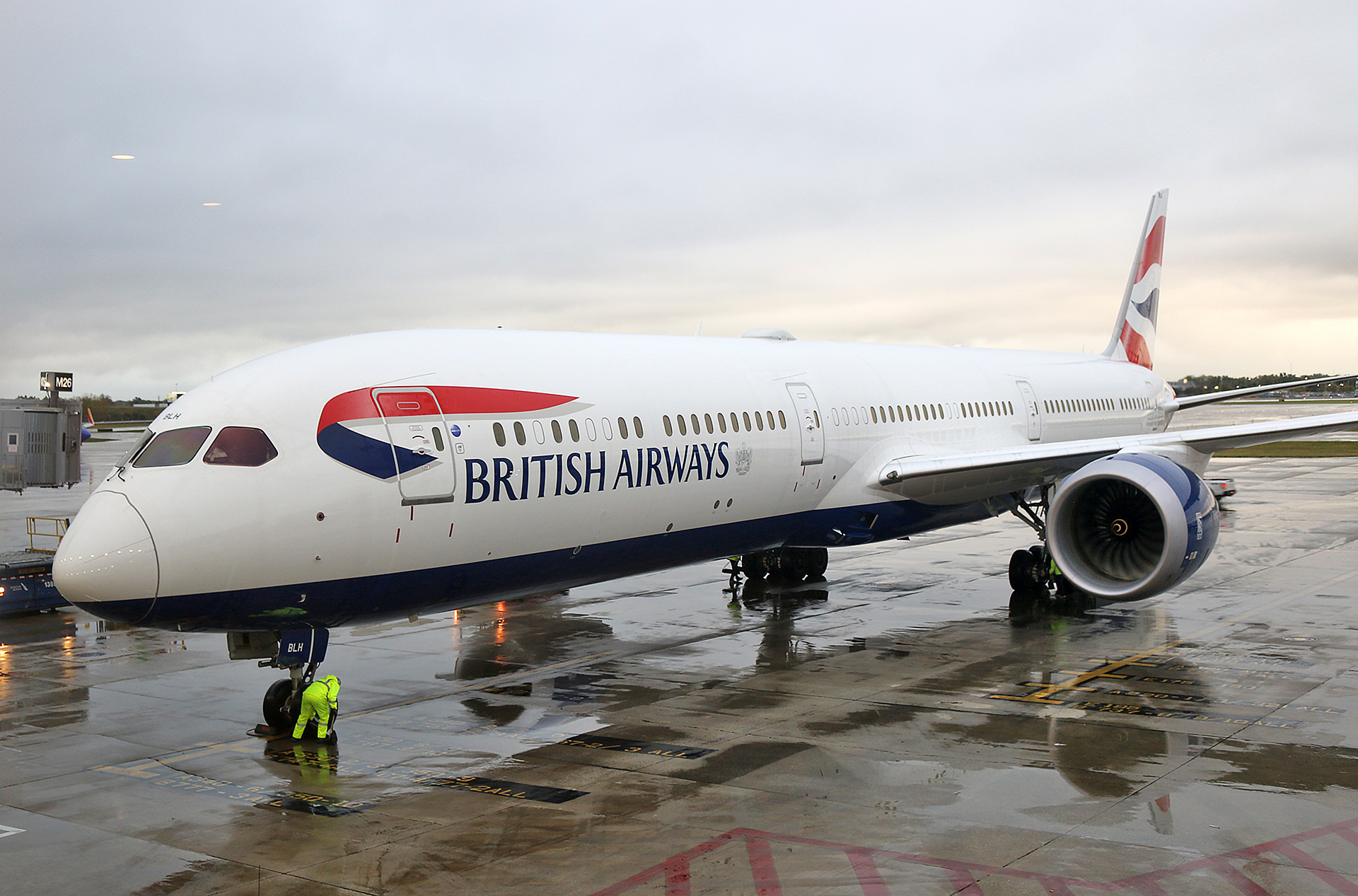

Photography and video of members of flight crews — which includes live streaming — without their express consent are officially banned by British Airways, as the airline has quietly updated its General Conditions of Carriage.
Photography and Video of Members of Flight Crews Banned by British Airways
The specific area of the General Conditions of Carriage of British Airways that was amended is the last item in Section 11.a under the sub-heading of Unacceptable Behaviour as follows:
If, while you are on board the aircraft, we reasonably believe that you have filmed, live streamed or photographed our crew or other colleagues without their consent, we may take any measures we think reasonable to prevent you continuing your behaviour.
The consequences of passengers who violate this policy include but are not limited to employees of the airline:
- Forcing them to leave the aircraft upon landing;
- Refusing to carry them on the remaining sectors of the journey shown on their ticket; and
- Reporting the incident on board the aircraft to the relevant authorities with a view to them prosecuting the offending passengers for any criminal offenses that they might have committed.
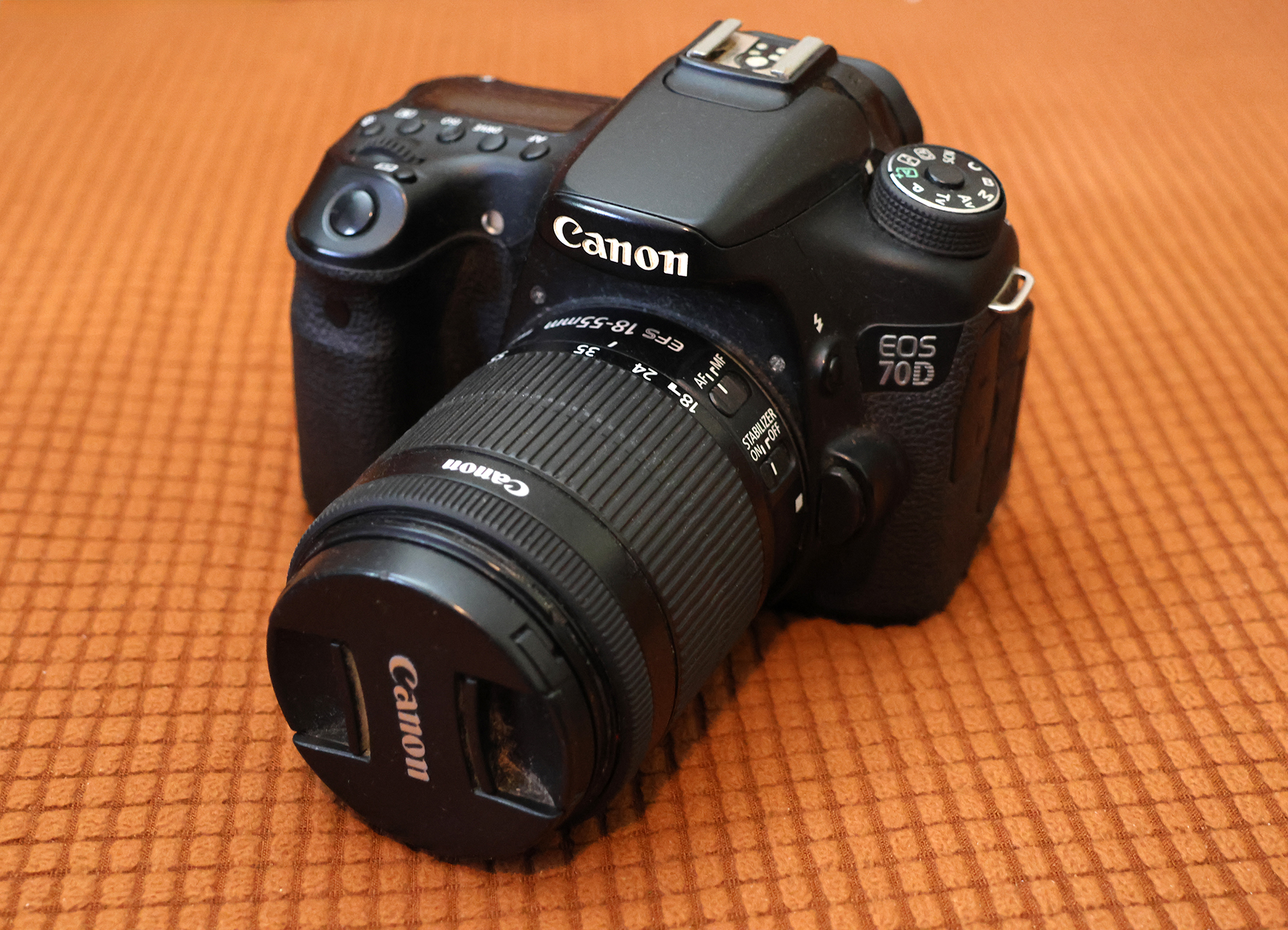
The updated rules include traditional cameras, cameras which can be worn anywhere on one’s body — including eyeglasses — and smartphones and other portable electronic devices.
Although the reasons for this amendment have never been officially revealed publicly, one key factor could be because British Airways will allow telephone calls during flights aboard airplanes as the latest technology in accessing Wi-Fi eventually expands across its fleet of airplanes. Because of faster and more reliable Wi-Fi networks, passengers will have the technical capability to live-stream incidents and disputes aboard airplanes during flights in real time, as reliable broadband connectivity will be available — thus leading to concerns about the risks to both the privacy of individuals and the reputation of the airline itself.
Another reason could be the significant increase in passengers secretly taking photographs and recording videos of incidents aboard airplanes which involve members of flight crews. A quick search on most social media platforms will reveal countless photographs and videos of members of flight crews interacting with passengers — including during times of service, disputes, and routine duties — and then are uploaded to social media platforms as quickly as possible. This issue is further exacerbated when the photographs and videos are posted without context — which occurs quite often — and substantially increases the aforementioned concerns.
Because of this, an increasing number of airlines around the world have formalized — and are enforcing — official restrictions on photography and video by passengers aboard airplanes. Commercial airlines retain the legal right to establish policies and rules of behavior that exceed what is required by public law, as airplanes are not considered public places — and airlines control access to them through selling tickets, which gives them a solid foundation to both enforce formal restrictions on photography and video and impose penalties on passengers who violate those policies and rules.
Final Boarding Call
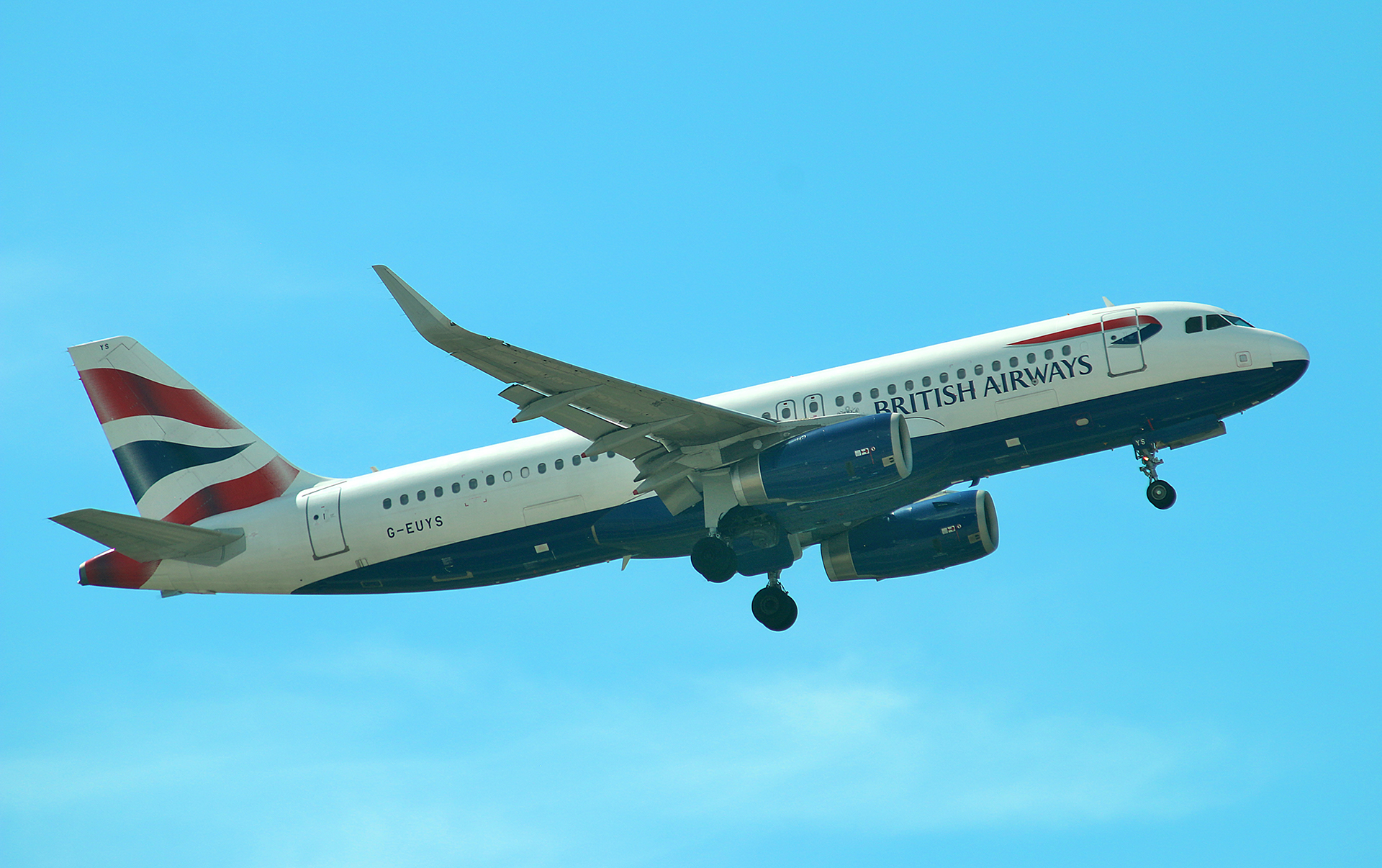
The good news is that passengers who wish to take photographs of the interior and exterior of the aircraft itself; the meals, beverages, and snacks that are served to them; or personal travel content that does not capture identifiable individuals without permission are not affected by this change…
…but a ban on photography or video of members of flight crews could be used to suppress documentation of poor customer service or when normal operations fail. If a passenger cannot record a questionable interaction of a rogue member of a flight crew, providing evidence when filing complaints or disputes becomes significantly more difficult despite existing mechanisms to file complaints — including customer service channels and regulator oversight — remaining in effect.
I do believe in maintaining the privacy of members of flight crews, as I am not sure I would want someone photographing me or filming me without my permission or consent while I am working in a place that is not considered public by law.
I would think that a simple request for consent by members of flight crews would typically — though not always — be granted if or when the context for photography or video is clearly explained…
…but do not expect it to be granted if those members of flight crews feel uneasy, uncomfortable, or even threatened by having themselves photographed or filmed as the result of an incident — and if the behavior of a member of a flight crew is egregious enough, then perhaps it should be recorded as evidence…
All photographs ©2018, ©2024, and ©2025 by Brian Cohen.
