
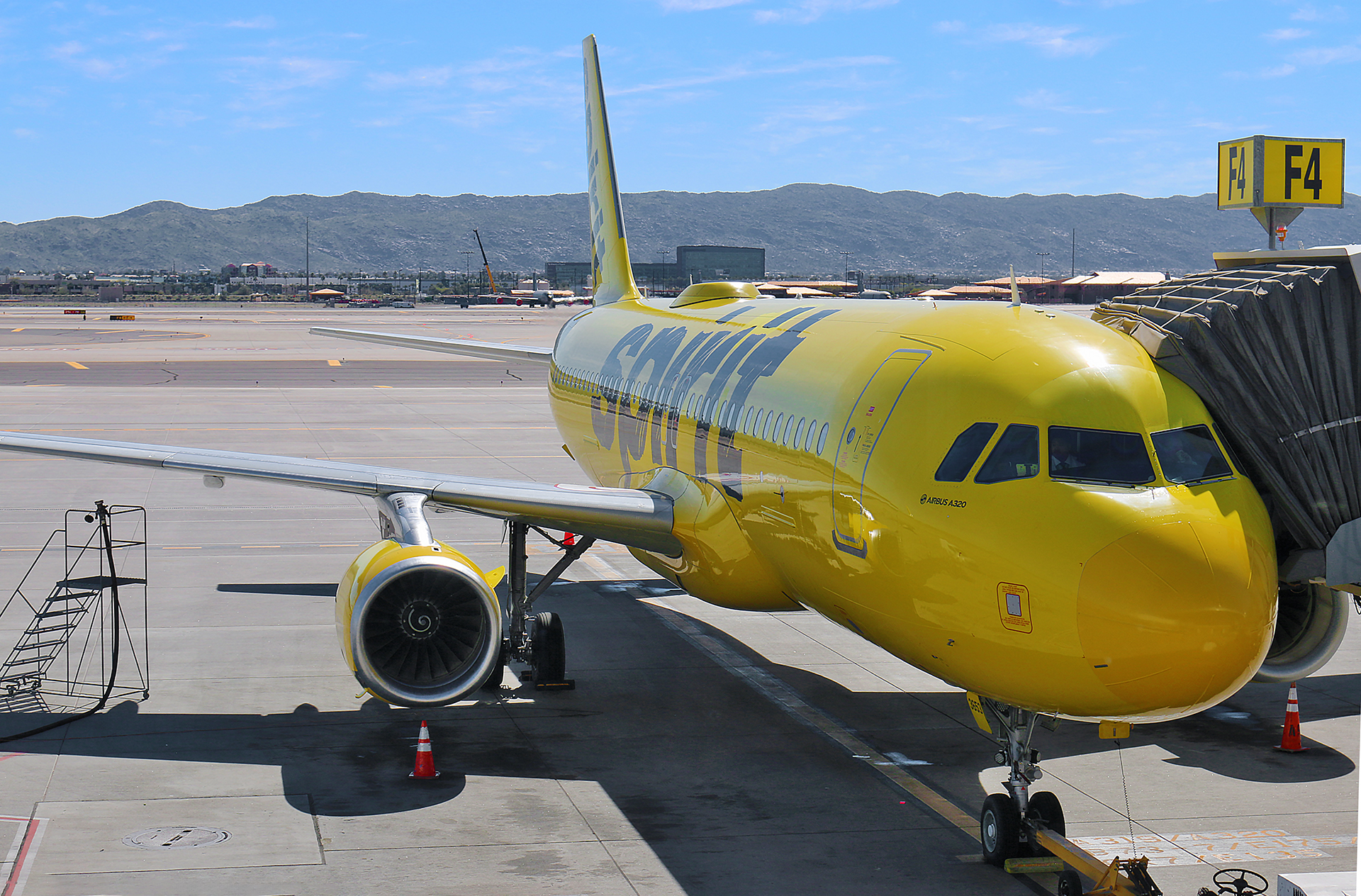

Many people are mourning the loss of Spirit Airlines after the airline ceased its operations in the early morning hours of Saturday, May 2, 2026 — but its legacy lives on in the form of misleading by omission.
Misleading By Omission: The Legacy of Spirit Airlines
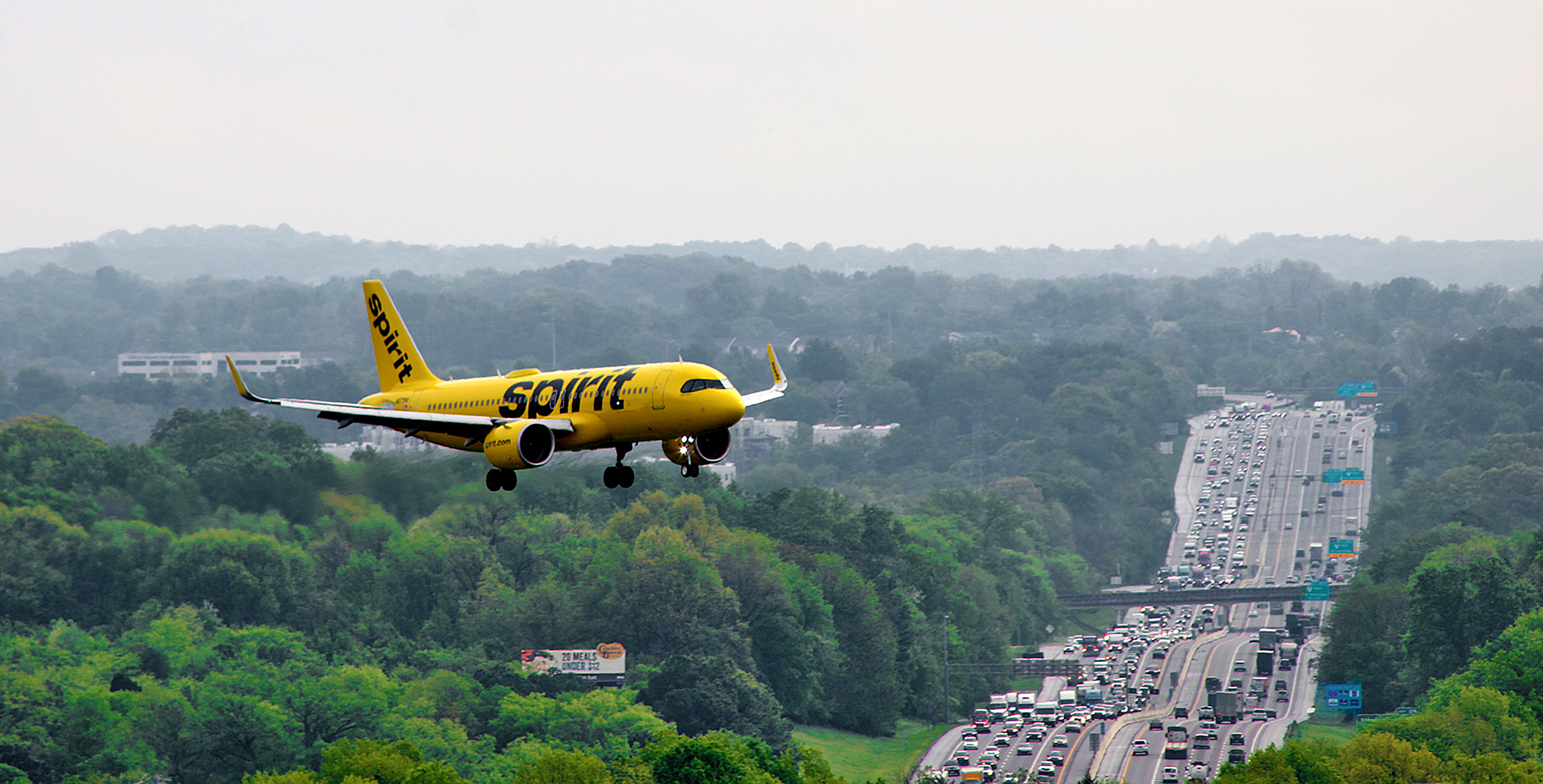
To say that Spirit Airlines was a pioneer in the ultra-low-cost business model is true — although it was nowhere near the first airline to introduce that concept. To say that Spirit Airlines impacted commercial aviation in the United States by forcing other airlines to lower their fares on many flights is also true — although it was not the only airline to do so…
…and to say that Spirit Airlines resulted in competitors — especially legacy airlines — to introduce and embrace the concept of Basic Economy fares is mostly true as well…
…so therefore, to say that Spirit Airlines offered the lowest fares must be true as well.
However, that was arguably not the case at all.
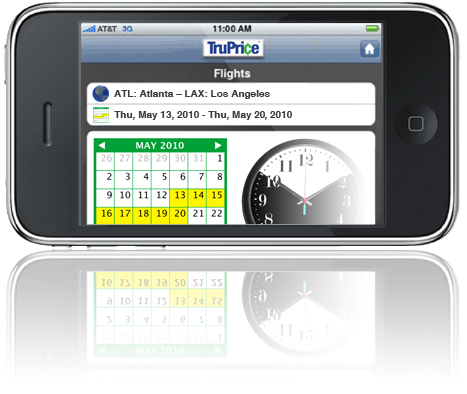
A technology engine called TruPrice was in development 16 years ago; and its initial purpose was to compare the ancillary fees of airlines to give users the true price of the total airfare which they should expect to pay. The functionality was expanded to include the true price of renting vehicles. Although it was never completed, vestiges of it still exist — such as this official weblog and this YouTube channel which contains five videos.
As one of the co-founders of TruPrice, I understood back in 2010 — greater than two years prior to when Delta Air Lines introduced the concept of Basic Economy fares — that fees for checked baggage and ancillary fees added to the cost of the base fare, which was the only price that was publicly advertised. Ancillary fees added up quickly but were never advertised along with the base airfare.
In other words: in simply going by the advertised base fare for a flight, people were not getting the true price for the flight — hence the name TruPrice.
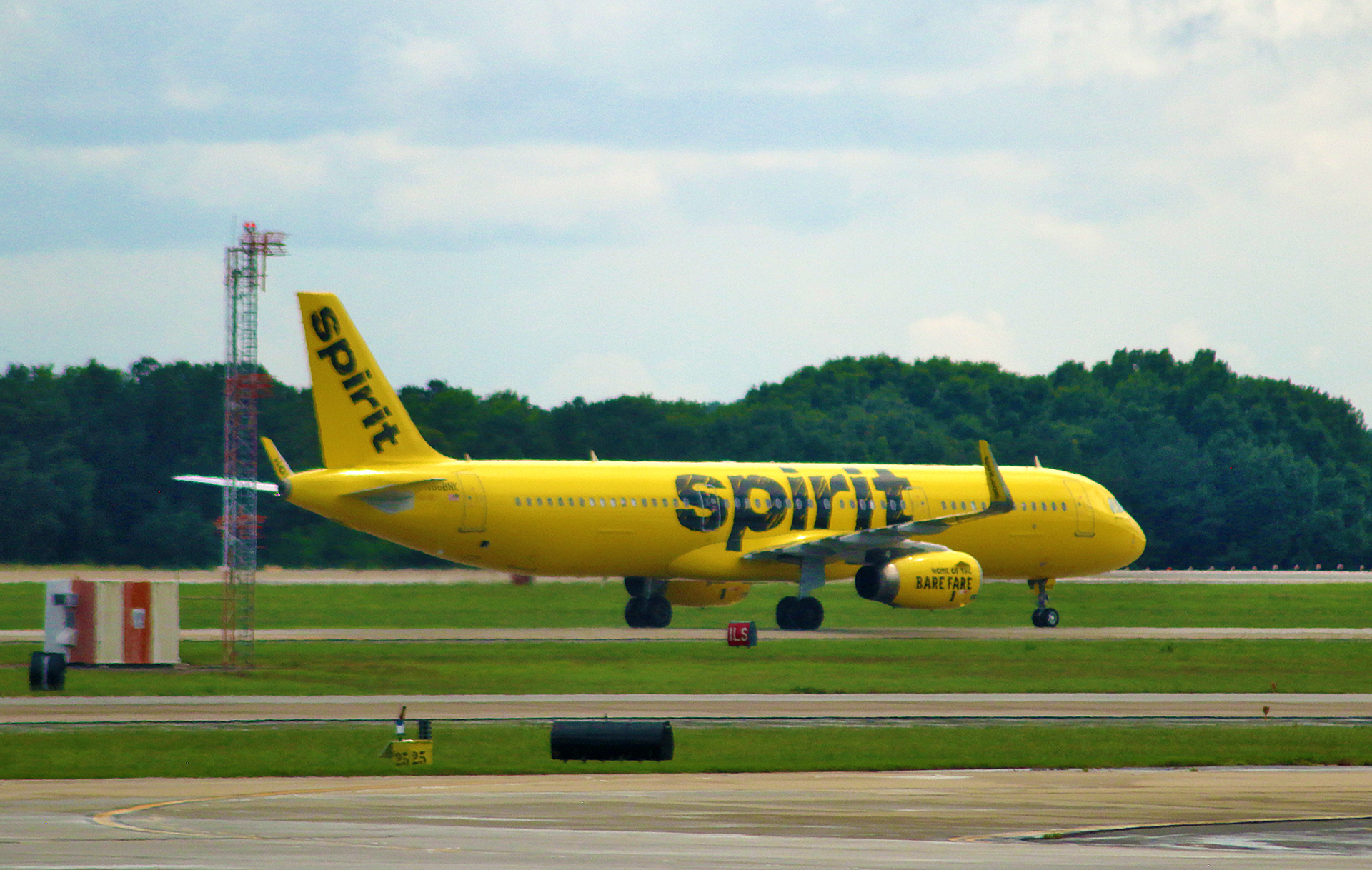
Hypothetically, let us say that Spirit Airlines charged a base fare of $39.00; and the airfare that was charged by Delta Air Lines was $290.00. With Spirit Airlines, selecting a seat could cost between $14.00 and $39.00. If you want to carry a bag aboard the airplane, expect your wallet or purse to be lighter by $32.00 to $55.00. Plan on forking over another $37.00 to $65.00 if you need to check a bag. Add another two dollars to print your boarding pass — or ten dollars if you asked for a boarding pass from an agent at the airport. Pay another $4.50 for plain drinking water once you are seated aboard the airplane. The list goes on and on…
…so by the time all is said and done, that flight with Spirit Airlines could cost as much as $205.00 compared to the $290.00 fare that was offered by Delta Air Lines. Sure, you would still save as much as $85.00 — but Delta Air Lines usually offered a better experience with an increased frequency of flights and the earning of miles which could be redeemed for international destinations worldwide.
Suddenly, that savings of $85.00 does not seem so much like a bargain after all — and that is not including the comparison of customer service in general or what happens during irregular operations. Still, $85.00 is a lot of money to customers who are sensitive to price…
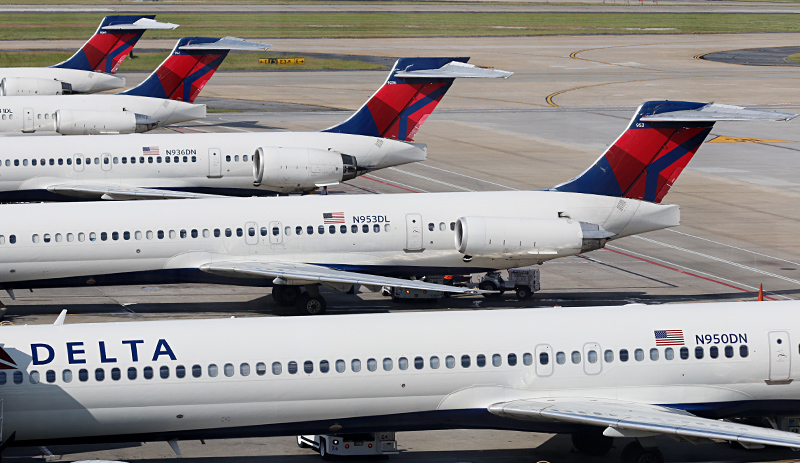
…but when Delta Air Lines introduced Basic Economy fares in March of 2012 — followed by United Airlines in November of 2016 and American Airlines in January of 2017 — the difference in the cost eventually lessened to a point where even sensitivity to price became less of a factor to consider only Spirit Airlines as the best overall value for the money. Unfortunately, customers of Spirit Airlines eventually discovered that price alone did not completely create value.
Plenty of angry, frustrated, and irritated customers with no assistance and one answering the telephones is how Spirit Airlines conducted business during its prime years — and, for that matter, is how the airline is basically conducting what is left of its business today. Although Spirit Airlines tried to be cool at first, it solidly earned its reputation as the most hated airline in the United States, as the school bus in the sky, or as the airline equivalent of gas station sushi — pick one — whether it liked it or not.
Spirit Airlines won the majority of its customers on price alone — but unfortunately, Spirit Airlines also ultimately lost its customers to price as well. The airline had built a business that was based on transactions and not a business based on loyalty — so when its fortunes started to evaporate, customers simply moved on to something else or avoided the airline altogether, as they had no compelling reason to be loyal to Spirit Airlines. Those customers could simply purchase Basic Economy fares on other airlines — even if they were still more expensive than Spirit Airlines.
An airline needs more than cash to survive in the harsh economy of today. It also needs protection from higher prices for fuel, discipline in its operations, the trust of its customers, and resilience. Arguably, Spirit Airlines was deficient in those areas, as it could not survive on affordability alone. The airline was able to fill airplanes with passengers as a result of cheap fares — but that alone was not enough to cushion itself from other factors.
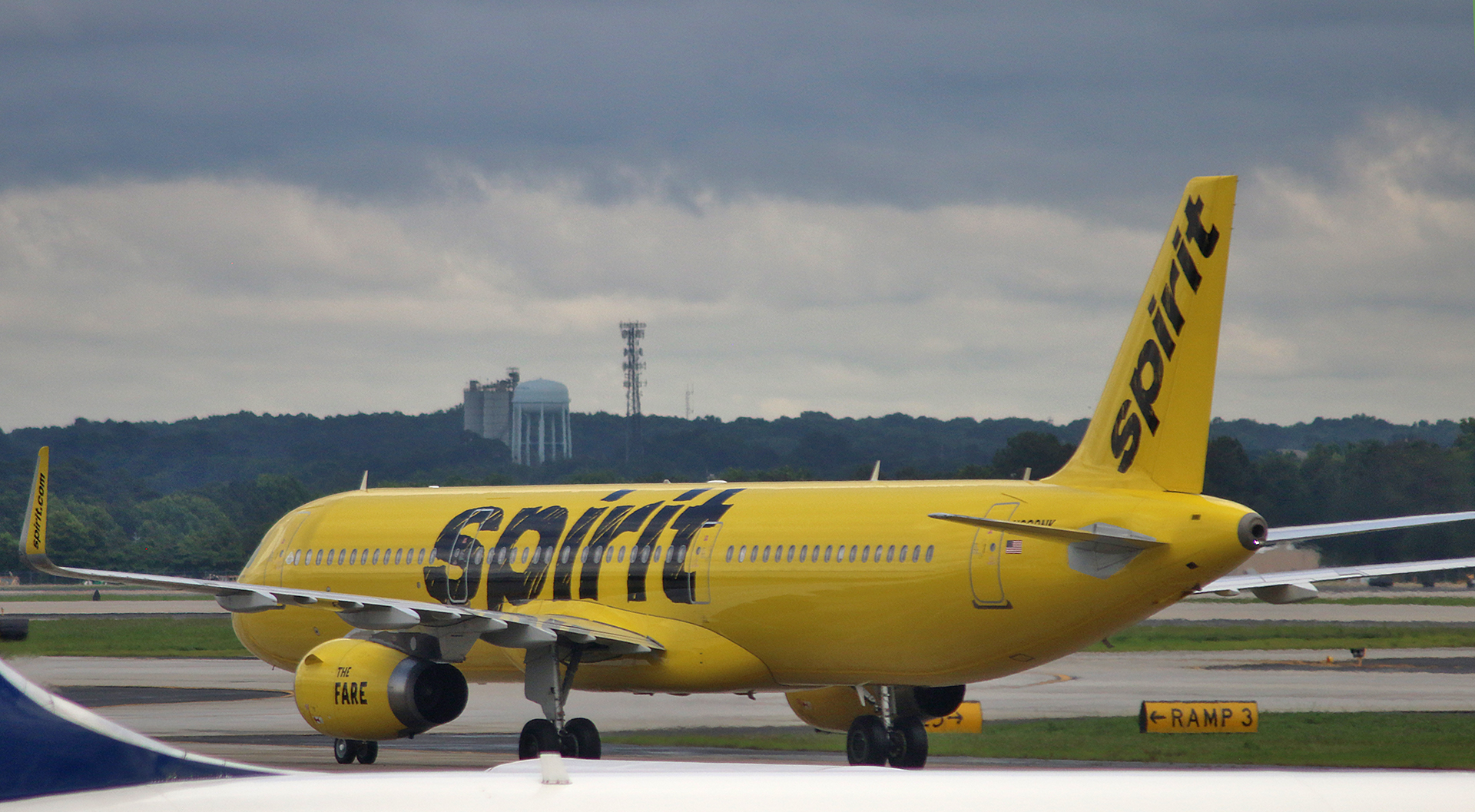
The unfortunate part about the demise of Spirit Airlines is that because price was the predominant factor — and some passengers could pay for the base fare and nothing else for basic transportation via airplanes — many customers of Spirit Airlines are left pondering how they can afford access to traveling from one place to another by airplane in the future. Those customers include unemployed people who need to travel for job opportunities; students who are on a budget; workers who can barely afford to escape on that one vacation once per year; or a family who must travel to see a dying relative one last time.

The opportunities to travel on a budget have not completely disappeared — but with Spirit Airlines no longer in business, traveling on a budget is already increasingly difficult and no longer within reach for many people…
…and do not think for one minute that other airlines will not eventually use this vacuum in commercial aviation in the United States that was left by Spirit Airlines to take advantage of increasing the price of fares — especially as the recent hight cost of fuel has eroded their profits — and squeezing more people out of being able to travel by airplane.
When David M. Davis — the final chief executive officer of Spirit Airlines — was hoping that the federal government of the United States would bail out the airline at a cost of $500 million, did he once offer up any or all of his own compensation package of $22,155,406.00 to help save the airline? Did any of the other officers and executives of the airline offer any of their millions of dollars of compensation packages as well? If they did, I did not hear about it.
Final Boarding Call
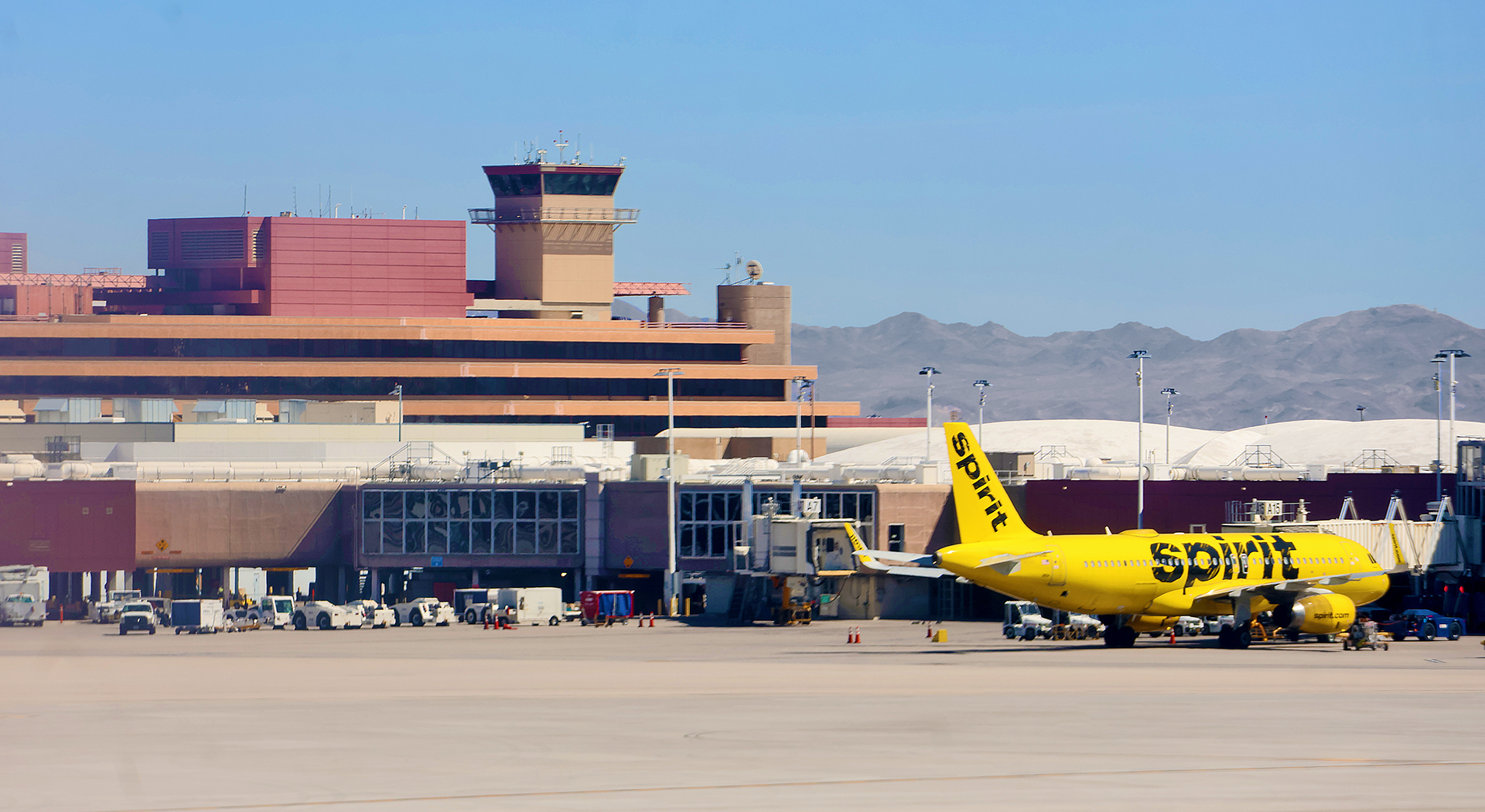
People have been pointing fingers and placing blame all over the place as to the reasons why Spirit Airlines no longer exists as a business entity; and numerous pundits have offered endless theories about what actually happened that caused the end of an era for the airline — but the bottom line is that its business model was unsustainable; it ultimately did not offer the full overall value that was initially perceived by its customers; and it did not gain the loyalty or respect that most other airlines currently enjoy…
…but most importantly of all — in my opinion, anyway — customers were generally not treated well by Spirit Airlines. Customers typically tend not to forget when they feel like they have been misled — and that could potentially hurt any business to the point of extinction. I still to this day refuse to patronize some companies that treated me unfairly or poorly years ago — especially if the issue could have been corrected with little more than a simple gesture that costs virtually nothing.
Travel is full of friction points that can cause significant pain to customers. Many people would argue that Basic Economy fares — with all of their restrictions and dearth of benefits — are a formidable contributor to that pain for passengers…
…and that is the legacy that has been left by Spirit Airlines: although other airlines had offered base fares in the past that were misleading by omitting the actual cost of travel through their plethora of ancillary fares, Basic Economy fares and other similar fares have only exacerbated the practice, as the price of inclusive fares that customers used to take for granted have increased…
All photographs ©2016, ©2018, ©2024 and ©2026 by Brian Cohen.
