
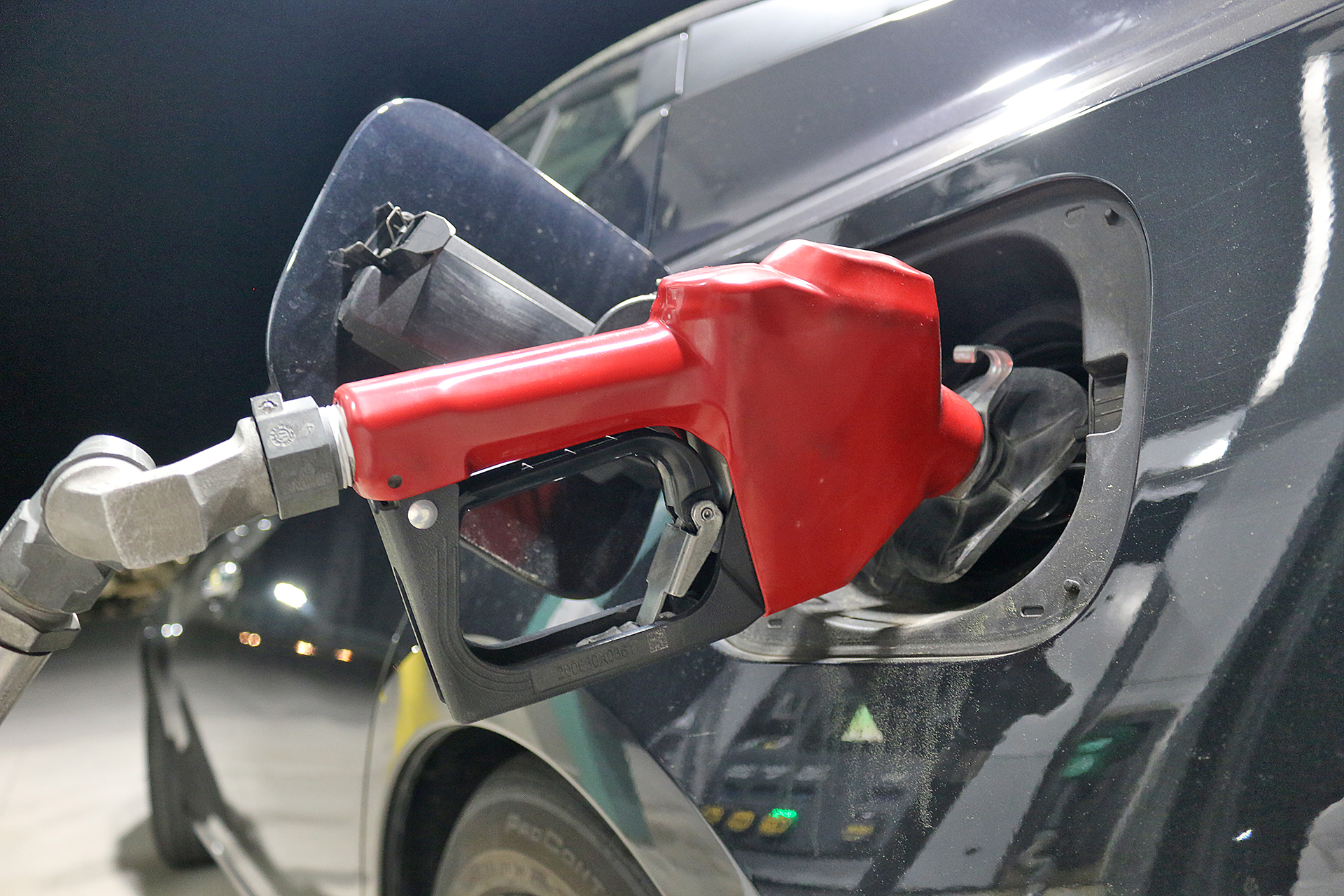

The practice of hypermiling could save you money on fuel, as it incorporates techniques that maximize fuel efficiency when driving or piloting a machine that consumes fuel — but you do not necessarily need to be a hypermiler to save money on fuel.
20 Hypermiling Tips Could Save You Money on Fuel.
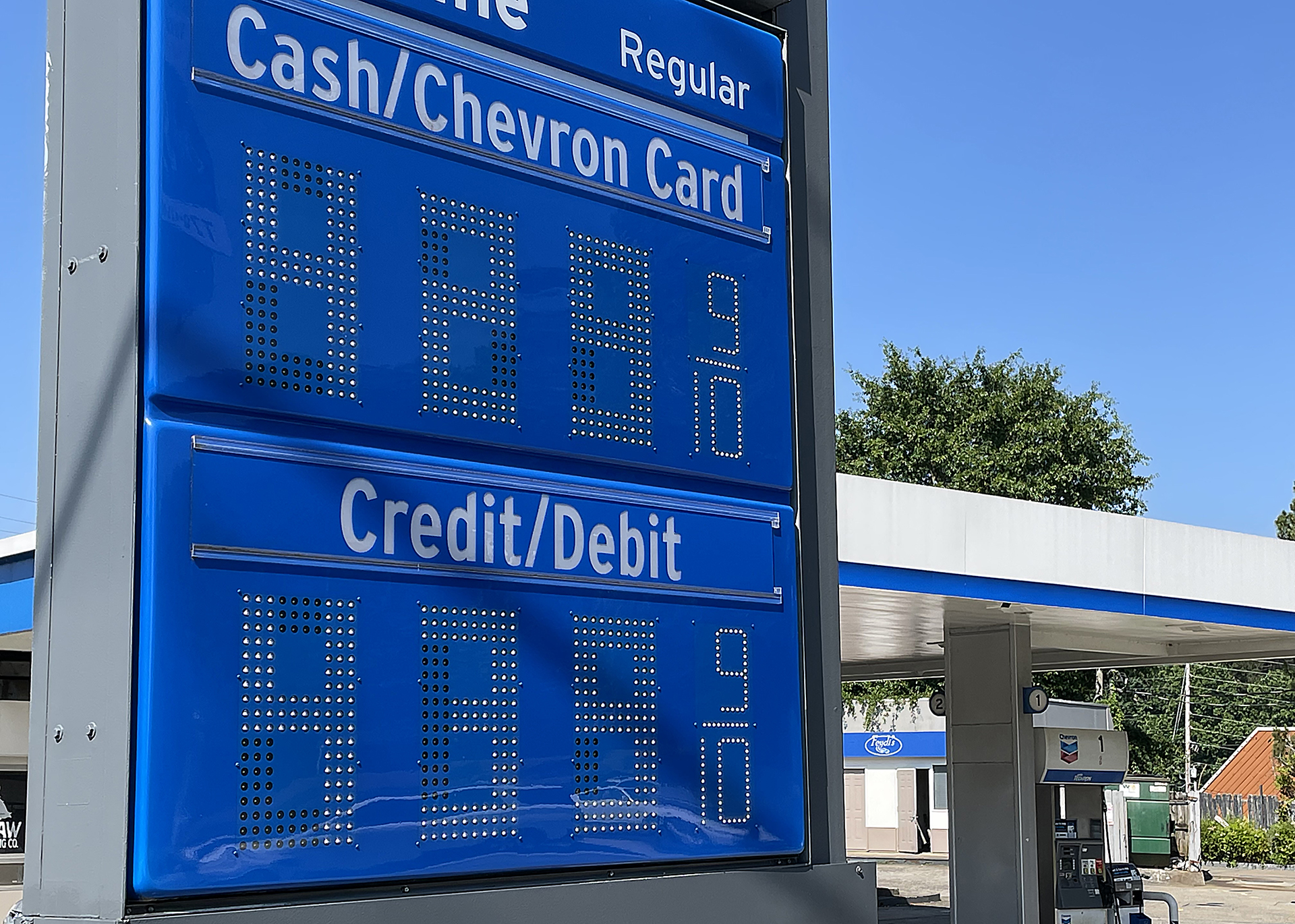
Hypermiling gained popularity with the increase in the price of fuel in the 2000s — which has happened multiple times, including currently — and can be practiced in any vehicle regardless of fuel consumption.
Various techniques can be used by drivers of motor vehicles that are powered by gasoline which help to increase their mileage per gallon of fuel — which include in no particular order but are not limited to:
- Park a motor vehicle “face out” to drive forwards immediately after parking. I was criticized for stating in this article three reasons why I back motor vehicles into parking spots — but apparently, saving money on fuel is a fourth reason to do so.
- Avoid unnecessary braking and acceleration. I cannot tell you how many times a driver of a different motor vehicle zooms past me — only for both of us to wind up at the same traffic light. When a traffic light is red, I let gravity slow the momentum of the motor vehicle that I am driving as it coasts; and — when necessary — apply the brakes, which not only saves money on fuel; but the brakes also last longer with less wear and tear.
- Avoid idling the motor vehicle. Coasting the motor vehicle to slow down to a traffic light without applying the brakes usually means less time idling when coming to a stop. Turn off the vehicle if stopped for more than 60 seconds — such as when the motor vehicle is parked.
- Avoid areas where traffic congestion occurs. Using an alternate route may result in traveling more miles; but it could potentially save both time and money.
- Combine as many errands as possible into one trip. This technique will also save you time as well as money.
- Choose to drive a hybrid motor vehicle or an electric car. These vehicles could save money on fuel — but not always, as depending on numerous circumstances.
- Use the cruise control function. The cruise control function is optimized best on flat level surfaces. If the engine of the motor vehicle “groans” as it climbs up a hill, deactivate the cruise control function and manually control its speed instead.
- Ensure that tires are properly inflated. Tires that are properly inflated not only increase fuel economy; but they also increase both safety and the longevity of the tires.
- Keep up on proper and timely maintenance on the motor vehicle. In addition to saving money on fuel, problems with the motor vehicle can be detected early.
- Keep windows closed to reduce wind drag. Wind drag tends to decrease fuel economy when driving faster than 40 miles per hour. Use the climate control system in the motor vehicle instead.
- Use air conditioning and electric equipment sparingly. Using the climate control system in the motor vehicle can also decrease fuel economy — but do not do so at the expense of your comfort. When the motor vehicle is hot, open the windows and sunroof to let hot air escape for a moment before closing them again to have the air conditioning operate at maximum efficiency.
- Choose a parking spot in accordance with the weather. Parking a motor vehicle in the shade during hot weather reduces the need for air conditioning — keeping a sunroof or a window slightly open helps to release heat — while parking a motor vehicle in the sun in cold weather keeps it warmer.
- Anticipate driving maneuvers rather than reacting to what happens directly ahead of the motor vehicle. This technique is as important for safety as it is to save money on fuel.
- Carry the least amount of weight possible in the motor vehicle. I am continuously amazed at people who use motor vehicles as storage units, which wastes fuel and adds drag to the motor vehicle.
- Avoid overfilling the fuel tank. This article gives three reasons why you should not top off the fuel tank in your motor vehicle.
- Adjust aerodynamic devices if the motor vehicle is equipped with them. Doing so can help to maximize fuel efficiency.
- Shift up gears as early as possible. Note the words “as early as possible”, as shifting up gears too early can result in the engine of the motor vehicle “groaning”. This technique works best in motor vehicles which are equipped with a manual transmission, of which fewer are being manufactured in the world.
- Maintain a lower steady speed in the highest gear at a low number of RPM or revolutions per minute. However, do not go too slow in a high gear, as the engine will likely — say it along with me for the third time — “groan”.
- Park on a downwards slope to coast forward. This technique is self-explanatory.
- Walk or ride a bicycle for shorter distances. I walk much of the time — including to and from airports. I also tend to walk longer distances as well.
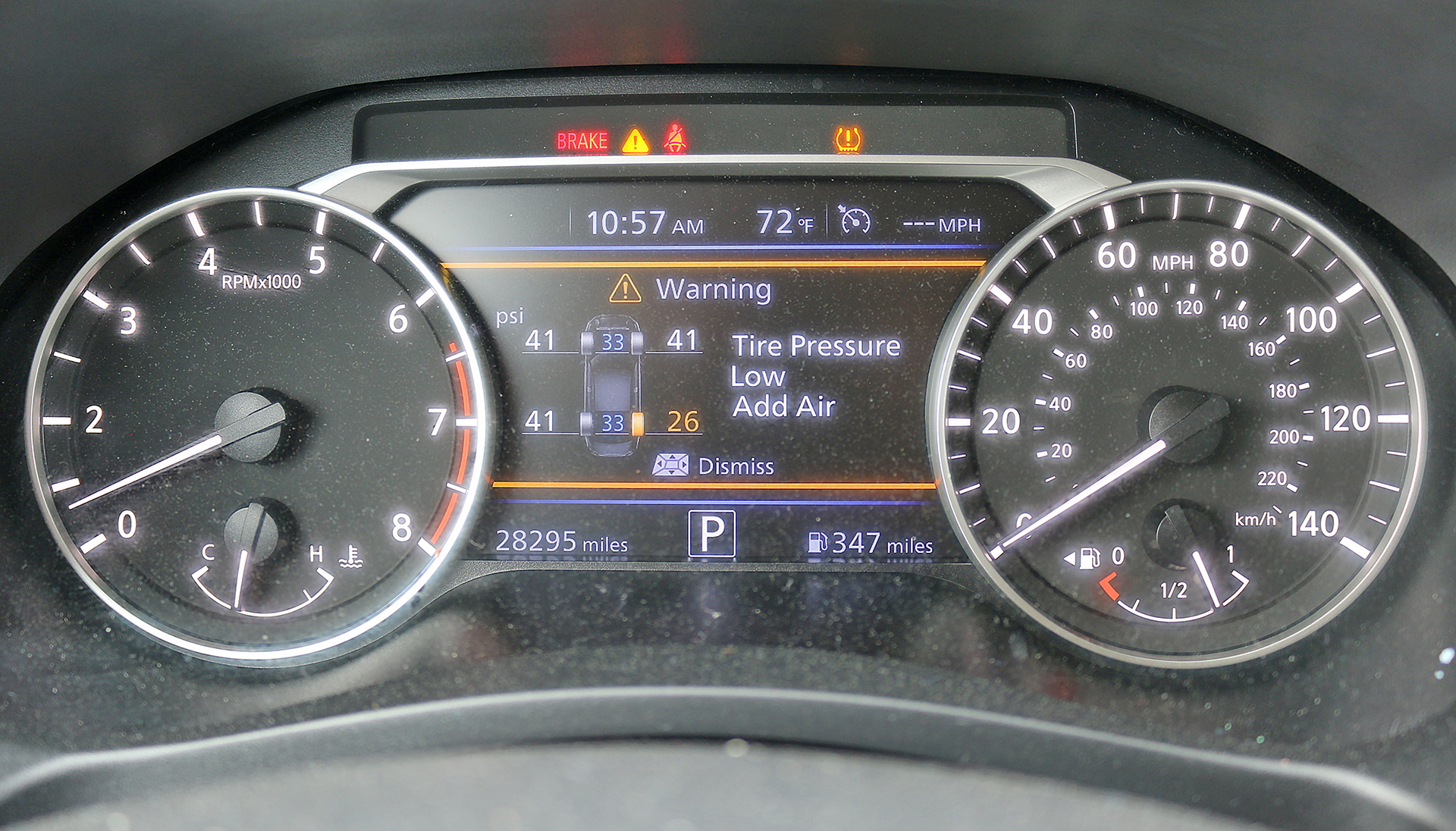
Keeping track of the consumption of fuel is easier when the motor vehicle is equipped with a monitor that reports on miles per gallon of fuel used, the air pressure of tires, and other useful information in real time.
If you are based in a country outside of the United States, replace the word gallon with the word liter and the word mile with the word kilometer. The principles of hypermiling are the same.
Additional tips and techniques to save money on fuel are found here.
Final Boarding Call
Not all of the aforementioned tips and techniques of hypermiling are for everyone — I do not incorporate all of them myself when I drive — but every little bit counts in saving money on fuel…
…especially as the prices for gasoline and other fuels have increased substantially in recent weeks as a result of the current war in the Middle East.
Many of the aforementioned tips and techniques of hypermiling apply to rental vehicles as well — so keep them in mind if you are interested in saving money on fuel while renting a motor vehicle.
For 15 additional ways to save money on fuel, click on this article.
Finally, never let saving money on fuel take priority over safety. Your life is worth much more than saving money…
All photographs ©2022 by Brian Cohen.
