
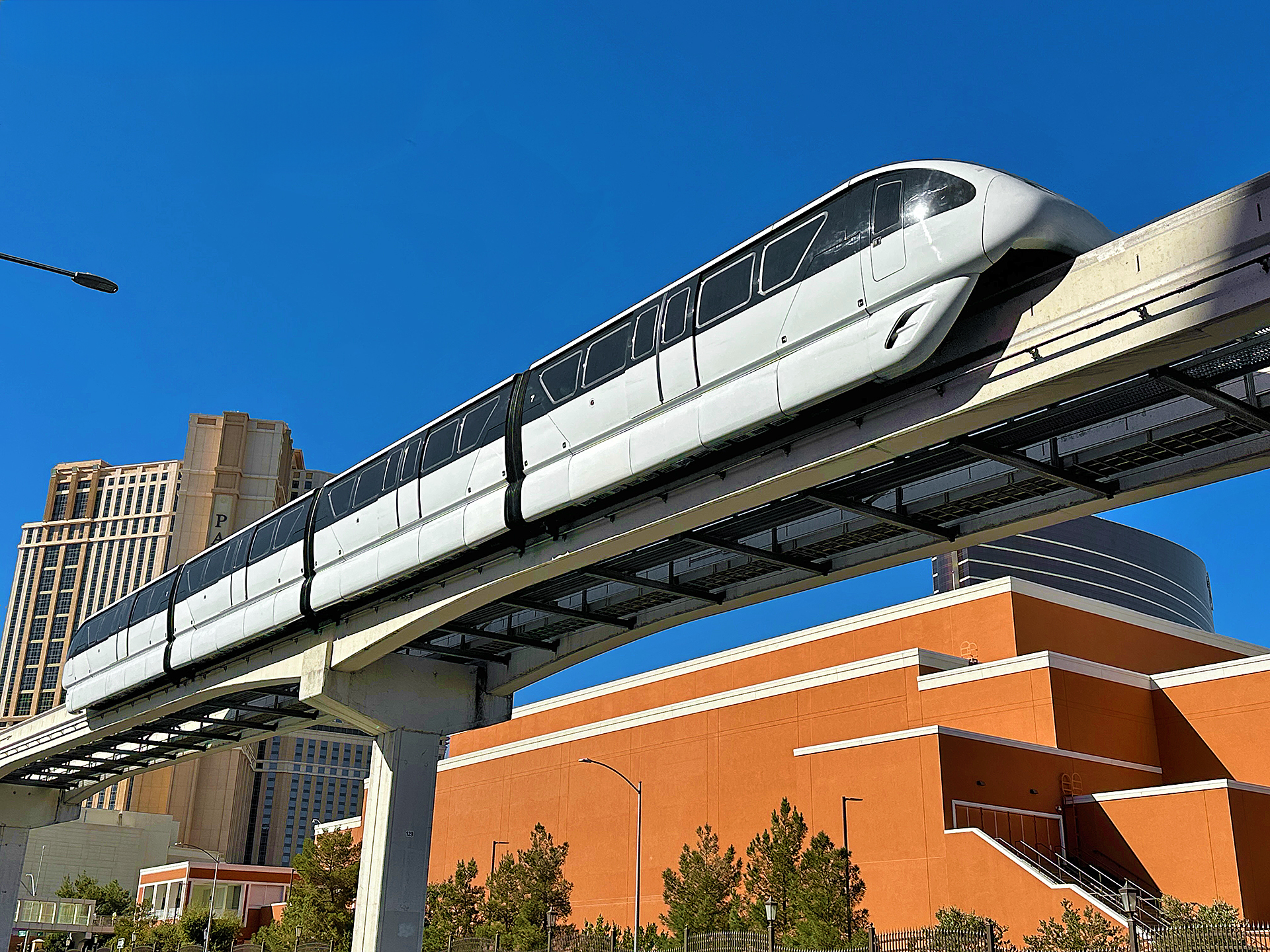

Multiple media outlets are reporting that the Vegas Loop will take over the aging Las Vegas Monorail system and convert its length of 3.9 miles to a roadway above ground for its electric Tesla vehicles.
Vegas Loop to Take Over Monorail?
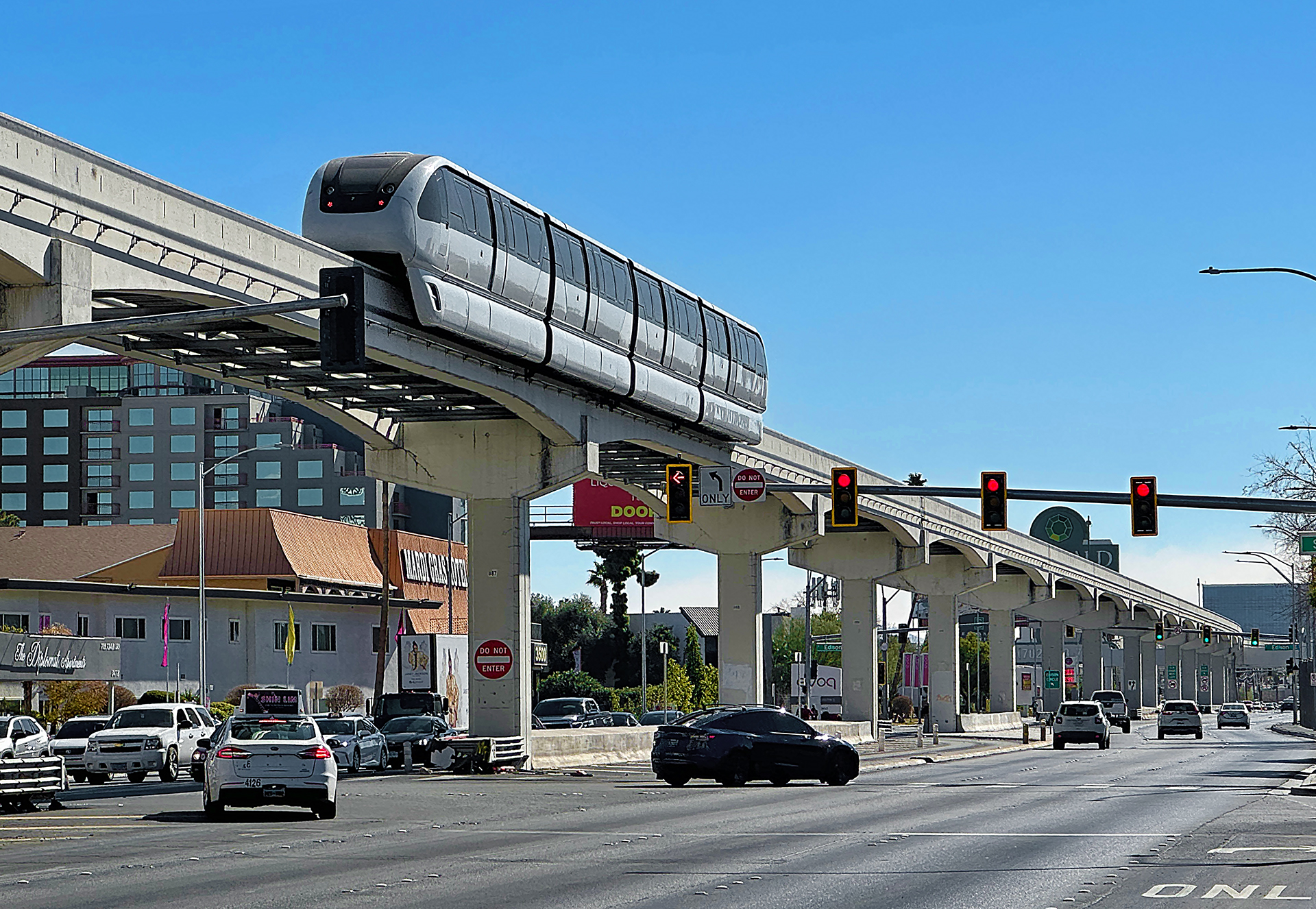
The price for tickets to travel between the seven existing stations within the Las Vegas Monorail system currently ranges from $5.50 for a single ride to $57.50 for a pass that is valid for seven days if purchased online — otherwise, the prices range from $6.00 to $62.00. Meanwhile, the price for fares for a single ride with the Vegas Loop vary between five dollars and twelve dollars with routes that are both below ground and above ground — which ironically results in the Tesla cars sharing Paradise Road in the same traffic congestion that the Vegas Loop was supposed to avoid.
“We’ll take the track off, put a pre-cast two-lane road on top, incorporate it into The Boring Company system, and use the existing Monorail stations”, Steve Hill — who is the chief executive officer of the Las Vegas Convention and Visitors Authority, which is official tourism marketing agency of the city of Las Vegas — reportedly said. “When you get to the MGM station, we’ll tie it into the parking garage and use it as part of a station with ramps to get in and out of it.” This would eliminate the need for The Boring Company to dig a separate tunnel four miles in length to connect the South Strip to the North Strip near Las Vegas Boulevard.
The Las Vegas Monorail system originally opened in 1995 and was expanded to its current form in 2004. The monorail system was in bankruptcy when the Las Vegas Convention and Visitors Authority purchased it for $24.3 million in 2020; and its ridership has purportedly increased from fewer than five million people per year to approximately six million people per year.
Bombardier — the same company based in Québéc in Canada that builds models of regional jet aircraft — manufactured nine Innovia 200 trams which its track was custom-designed to fit. Each tram has four cars; and an increasing amount of breakdowns and outages have been plaguing the monorail system…
…but not only does the company no longer manufacture those trams; but it sold its rail business to Alstom — which is its now-former competitor in France — in 2021 for $6.7 billion after accumulating billions of dollars of debt; so replacing the increasingly outdated trams of the Las Vegas Monorail system would be potentially difficult — if not impossible — to do.
The annual cost to operate the Las Vegas Monorail system can exceed $500,000.00.
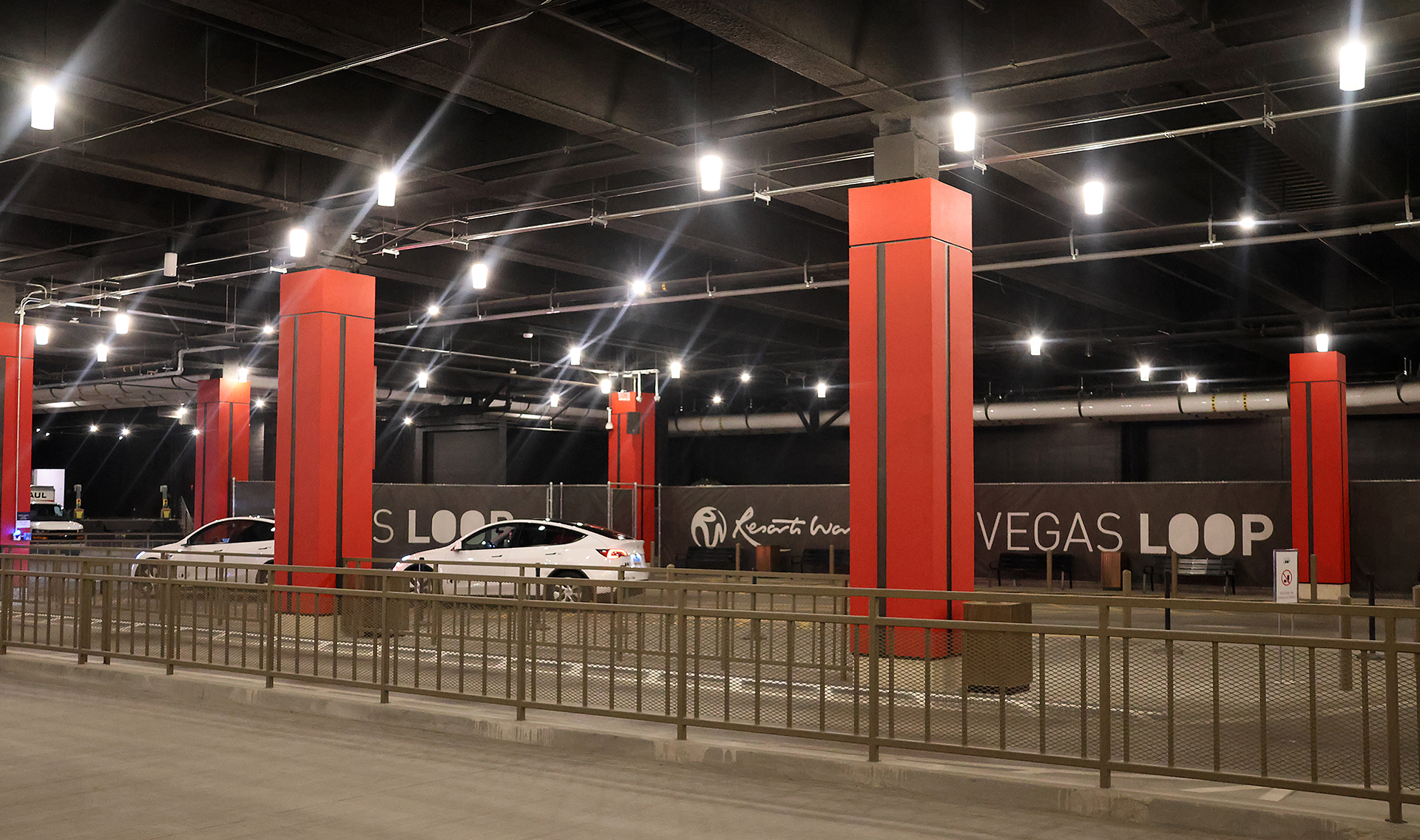
The Vegas Loop is not without issues itself, as its concept was originally based on a technology that was supposed to introduce high-speed transportation to the world. “Elon Musk — a billionaire who founded both SpaceX and Tesla — outlined a transportation system concept in 2013 called Hyperloop, which promises to be an alternative to existing modes of transportation” is what I wrote in this article here at The Gate With Brian Cohen back on Sunday, March 20, 2016. “Hyperloop would be super fast but with low friction — and offer potentially higher performance but at a lower overall cost. Musk envisions passengers eventually being transported between cities at high speed throughout North America using Hyperloop technology.”
Those high speeds would be at greater than 700 miles per hour, according to the initial pitch for Hyperloop, which was one of several similar concepts at the time for transportation through underground tubes at high speeds.
Las Vegas is the only city that has significantly invested in the technology, with Nashville and Dubai readying to incorporate the technology into their cities — but instead of automated futuristic pods that rocket between cities in pressurized tubes at greater than 700 miles per hour, the current technology is electric Tesla sedans that are driven by human beings moving along through paved single lane tunnels at approximately 35 miles per hour.
Final Boarding Call
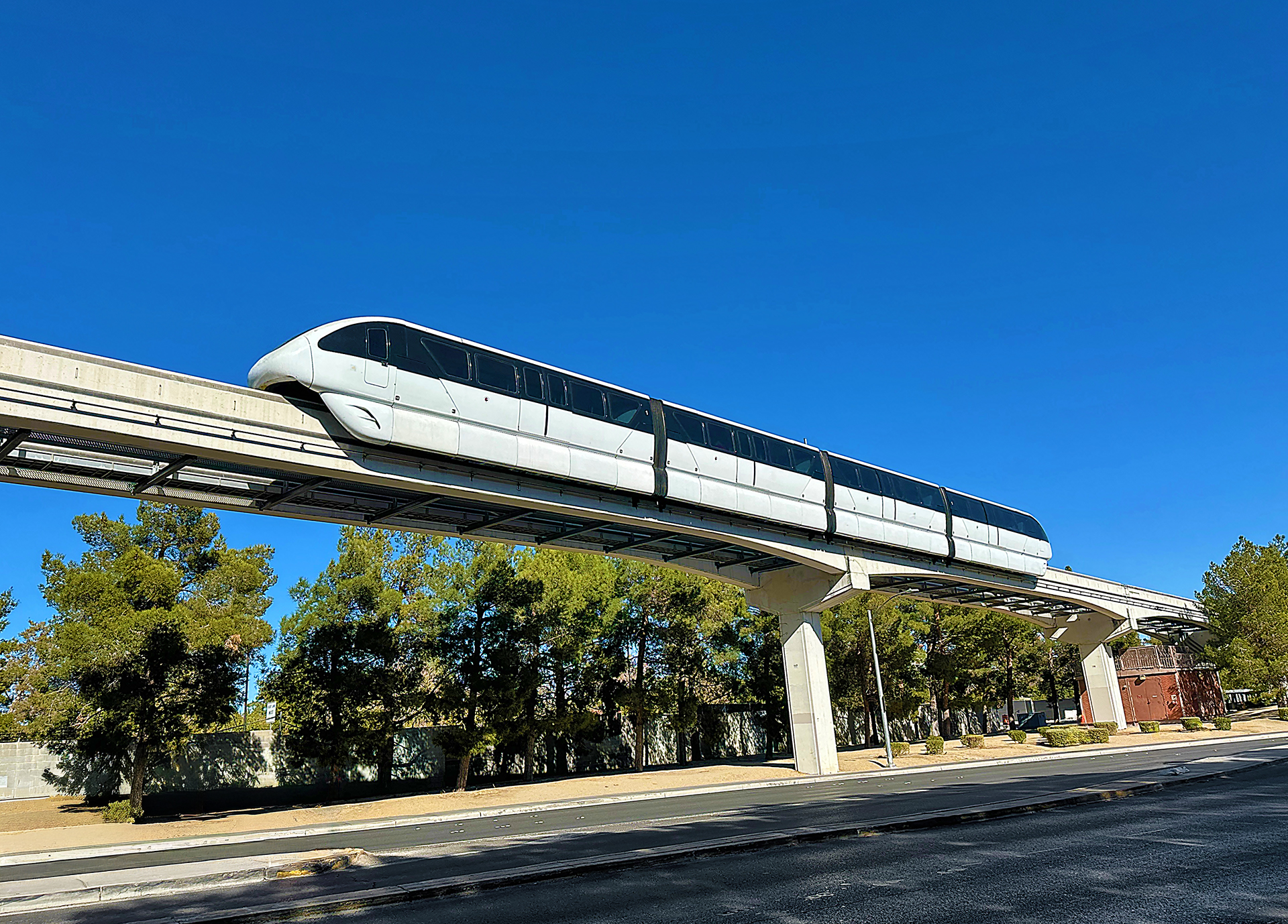
I never rode on the Las Vegas Monorail system — even when I stayed as a guest at the former Las Vegas Hilton, where a stop is conveniently located — because I found the route to be inconvenient overall; and the price of the fare was not worth that inconvenience, in my opinion. A significantly superior concept would have been to offer a transportation option either above ground or below ground along Las Vegas Boulevard itself, with connections to existing trams that serve some hotel and casino properties.

As for the Vegas Loop, you can both read and watch a video about my experience in this article. The experience was cool; the ride was good; and the fare was reasonable — but it was not spectacular by any stretch of the imagination.
Perhaps the Vegas Loop might one day better resemble the original Hyperloop concept; but that day is a long way into the future — if it ever happens at all.
In some ways, walking to and from the airport is still a superior option, in my opinion — as well as walking around the city itself…
All photographs ©2025 and ©2026 by Brian Cohen.
