
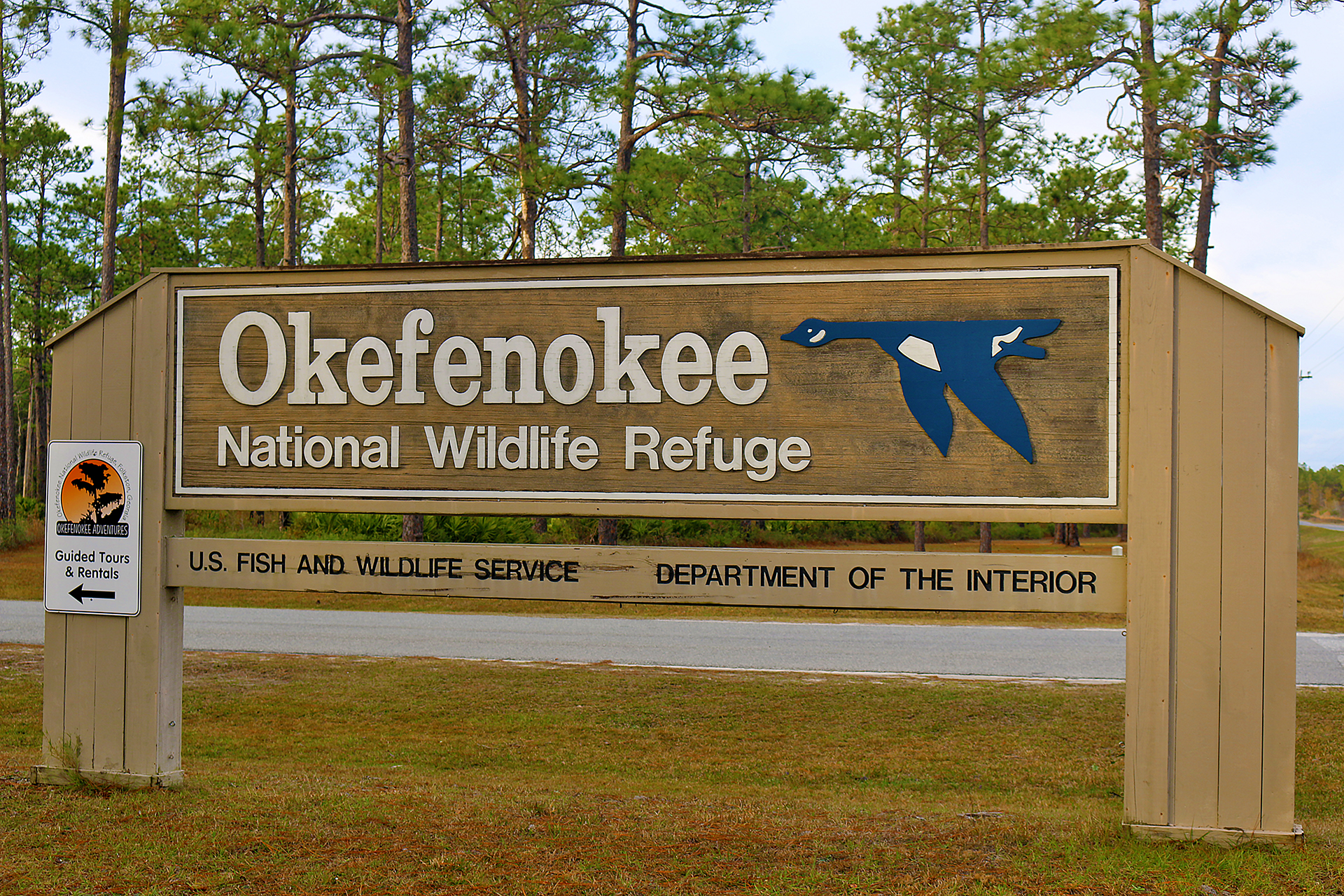

Okefenokee National Wildlife Refuge has been officially inscribed as one of the newest United Nations Educational, Scientific and Cultural Organization — which is more popularly known as UNESCO — World Heritage Sites as a natural property effective as of yesterday, Saturday, July 25, 2026.
Okefenokee National Wildlife Refuge Officially Named UNESCO World Heritage Site
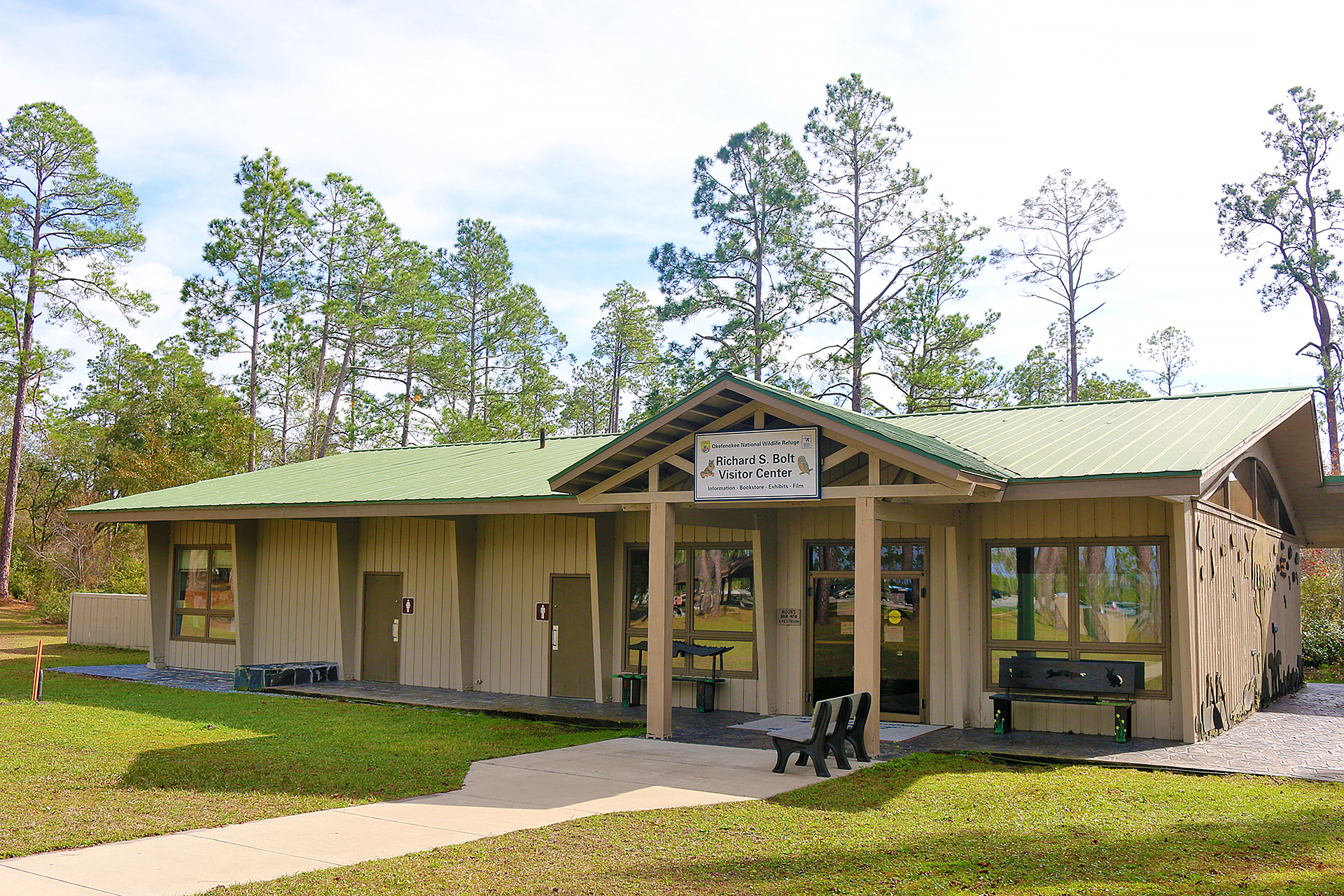
The visitor center is named after Richard Simpson Bolt, Jr., who served as a biological technician at Okefenokee National Wildlife Refuge from Friday, July 12, 1974 until his death. A wildfire occurred on Thursday, February 15, 1979 in Forest Compartment No. 8 of Okefenokee National Wildlife Refuge, which is a location also known as the Pocket. “While Bolt attempted to plow out the fire, he suffered burns on 70% of his body”, according to the official Internet web site of the Fish and Wildlife Service of the United States. “In the aftermath, Bolt was taken to the Brook Army Medical Center in Fort Sam Houston, Texas for treatment, and he survived for 13 days before succumbing to his injuries on February 28, 1979. Bolt’s brave actions saved many people who were in the local picnic area, and the U.S. Department of the Interior posthumously awarded him its Valor Award on October 10, 1979. Furthermore, Okefenokee National Wildlife Refuge retired his radio number, Unit 3, and named the Richard S. Bolt Visitor Center after him.”
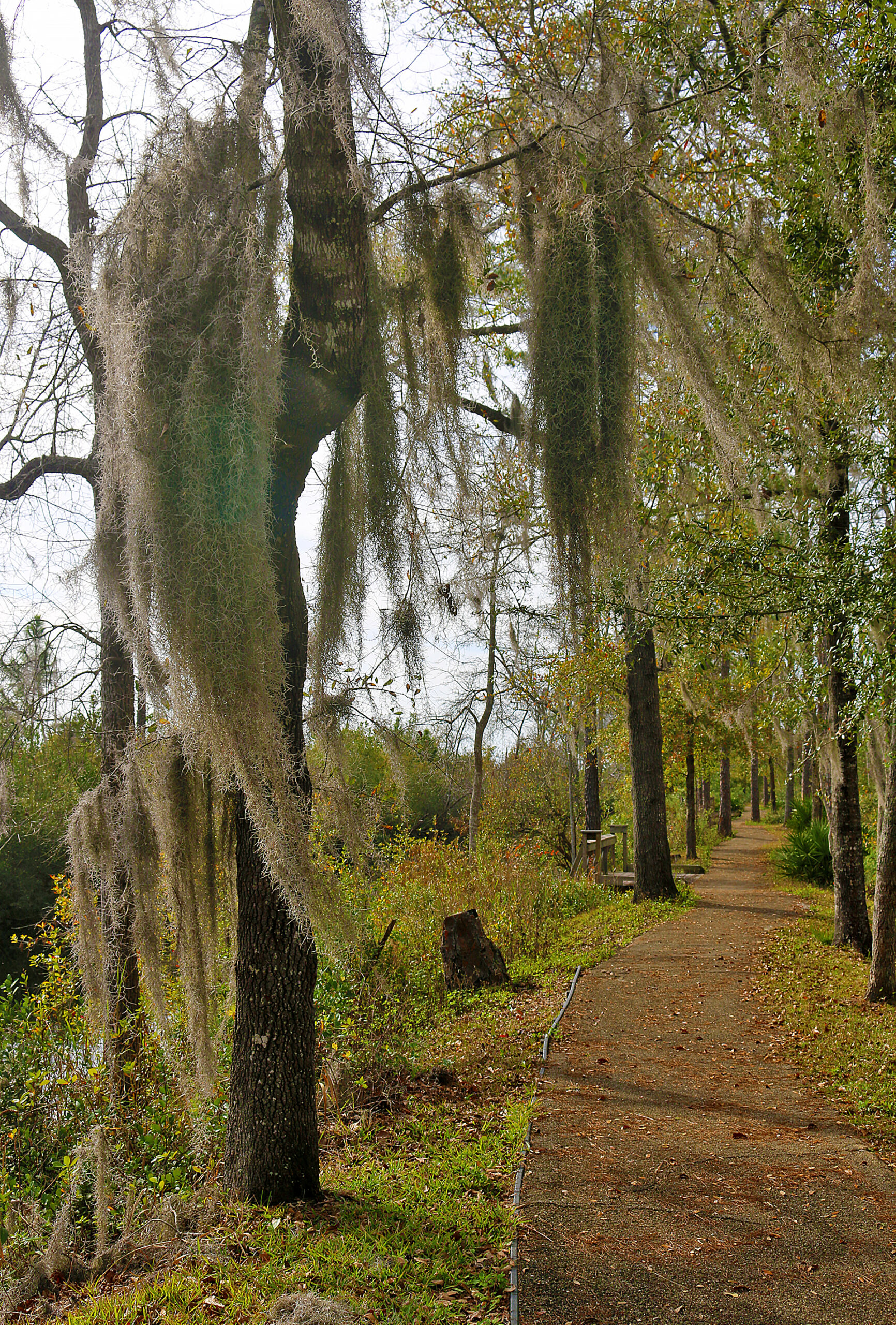
Beyond the visitor center, trails and paths are available to take visitors into Okefenokee National Wildlife Refuge to see the flora and fauna — of which many species are unique to the area.
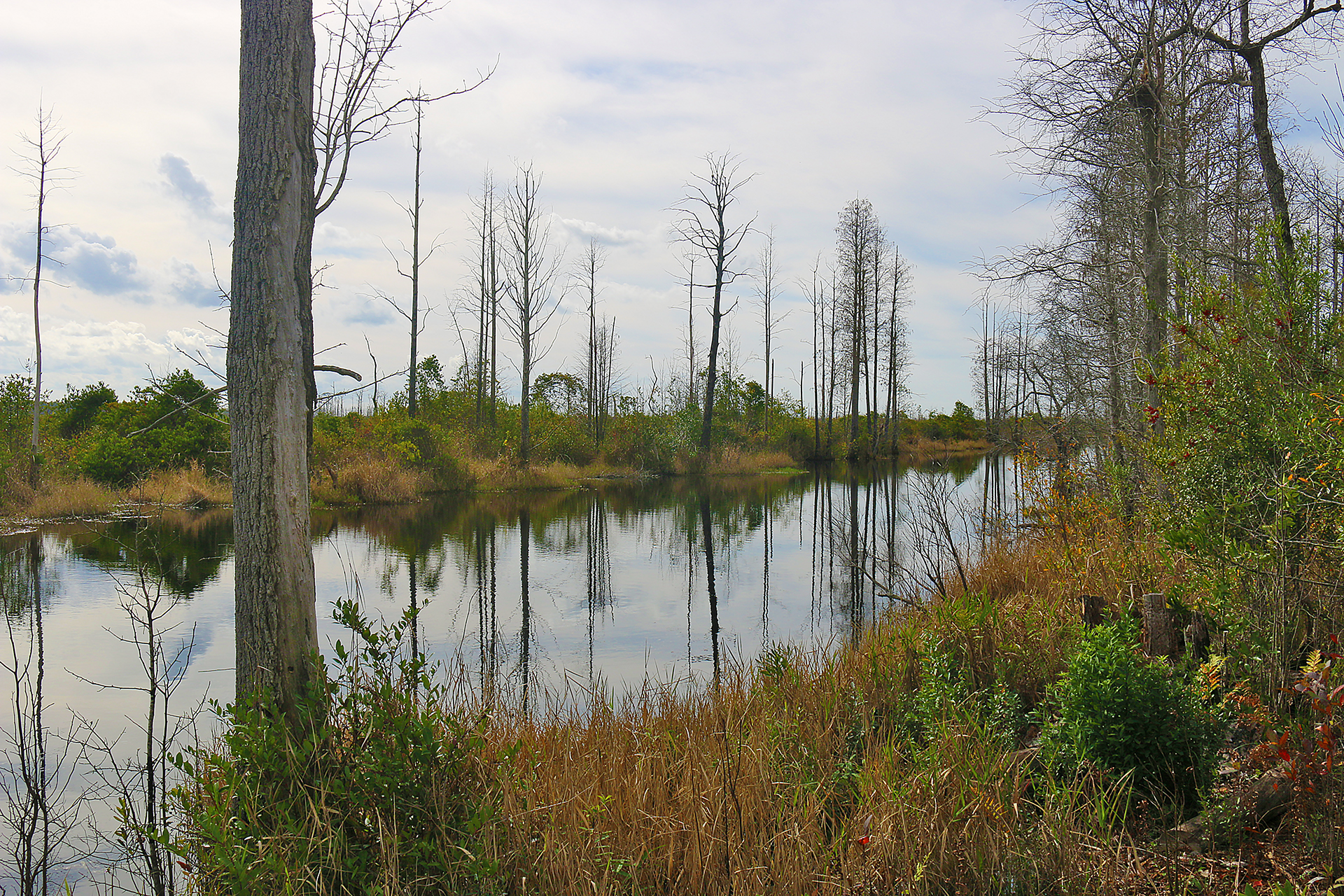
Okefenokee National Wildlife Refuge became only the 27th UNESCO World Heritage Site in the United States, joining a list of fewer than 1,250 places on Earth recognized for “outstanding universal value”; and it is the first natural site in the country to be added in three decades. It is also the first World Heritage site in the state of Georgia.
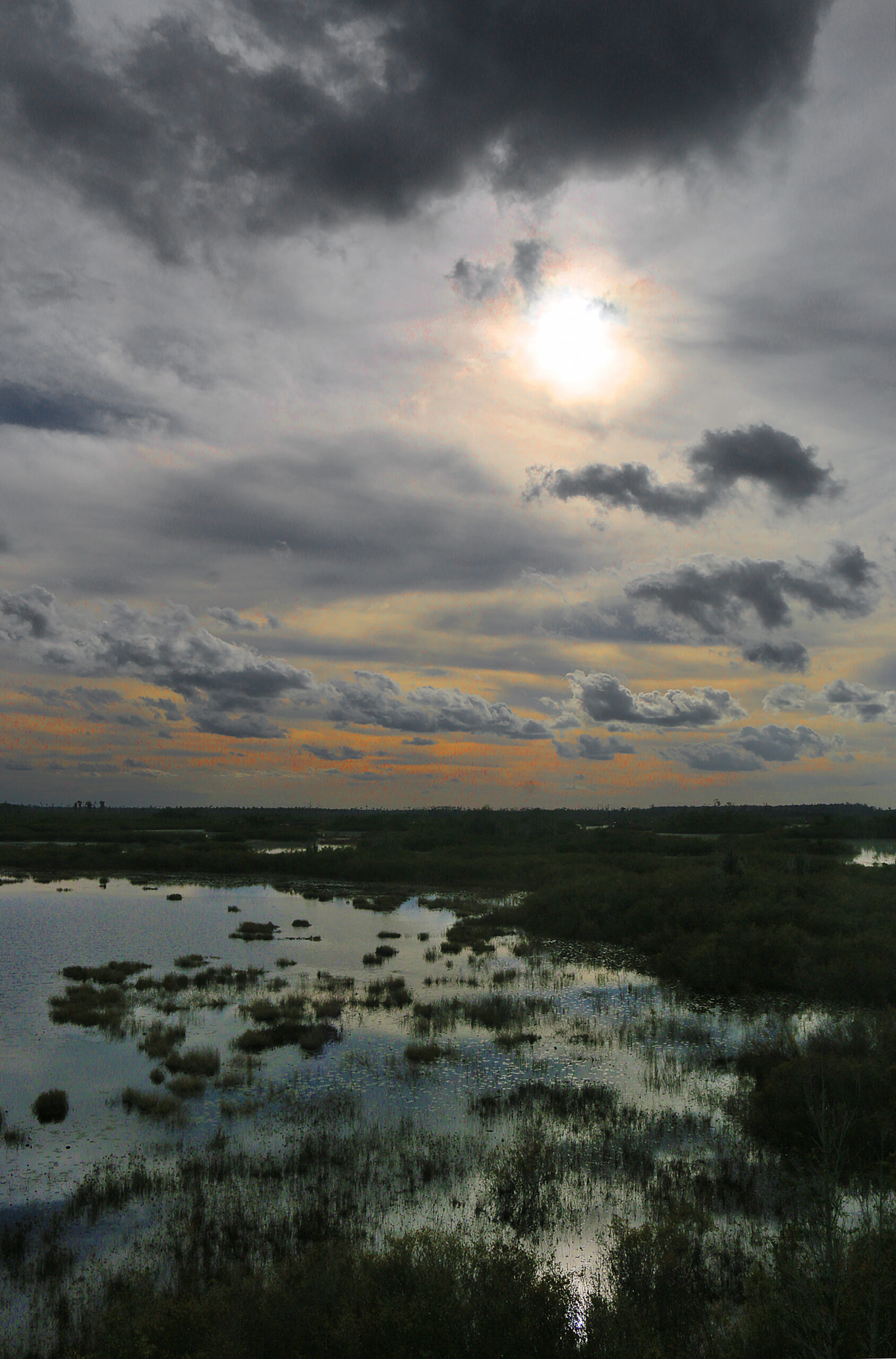
Much of Okefenokee National Wildlife Refuge is located in southeastern Georgia, with the remaining portion located in northeastern Florida. Okefenokee National Wildlife Refuge protects the Okefenokee Swamp, which is the largest lowland freshwater peatland in the subtropical zone worldwide and one of the largest and most intact ecosystems within the North American Coastal Plain global biodiversity hotspot.

“The property comprises a diverse mosaic of wetlands, savannas, and forests shaped by the ongoing interaction of water, fire, vegetation, and wildlife, with alternating fire and rainfall processes driving peat formation, vegetation structure, and biodiversity”, according to the official Internet web site of the United Nations Educational, Scientific and Cultural Organization World Heritage Convention. “The site also contains significant areas of endangered Longleaf Pine (Pinus palustris) savanna, of which less than 3% remains, supporting high concentrations of plant species endemic to the region. Its extensive peat deposits provide an important archive of palaeo-environmental history and critical carbon storage.”
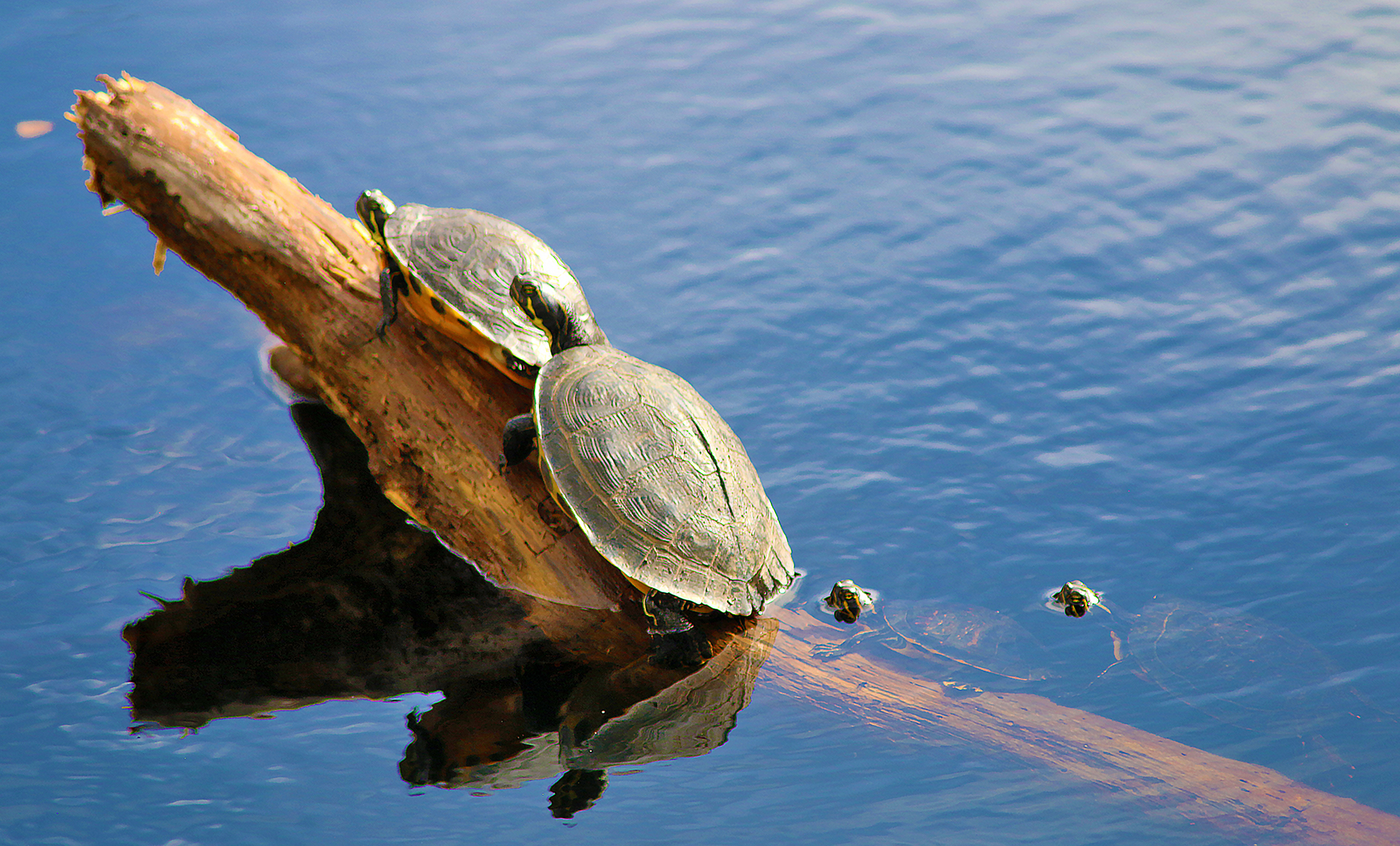
Okefenokee National Wildlife Refuge supports exceptional biodiversity — including at least 856 plant species, 48 mammal species, 238 bird species, 39 fish species, and 90 reptile and amphibian species. The property also provides an important habitat for migratory birds, threatened species, and a significant population of alligators in the United States.
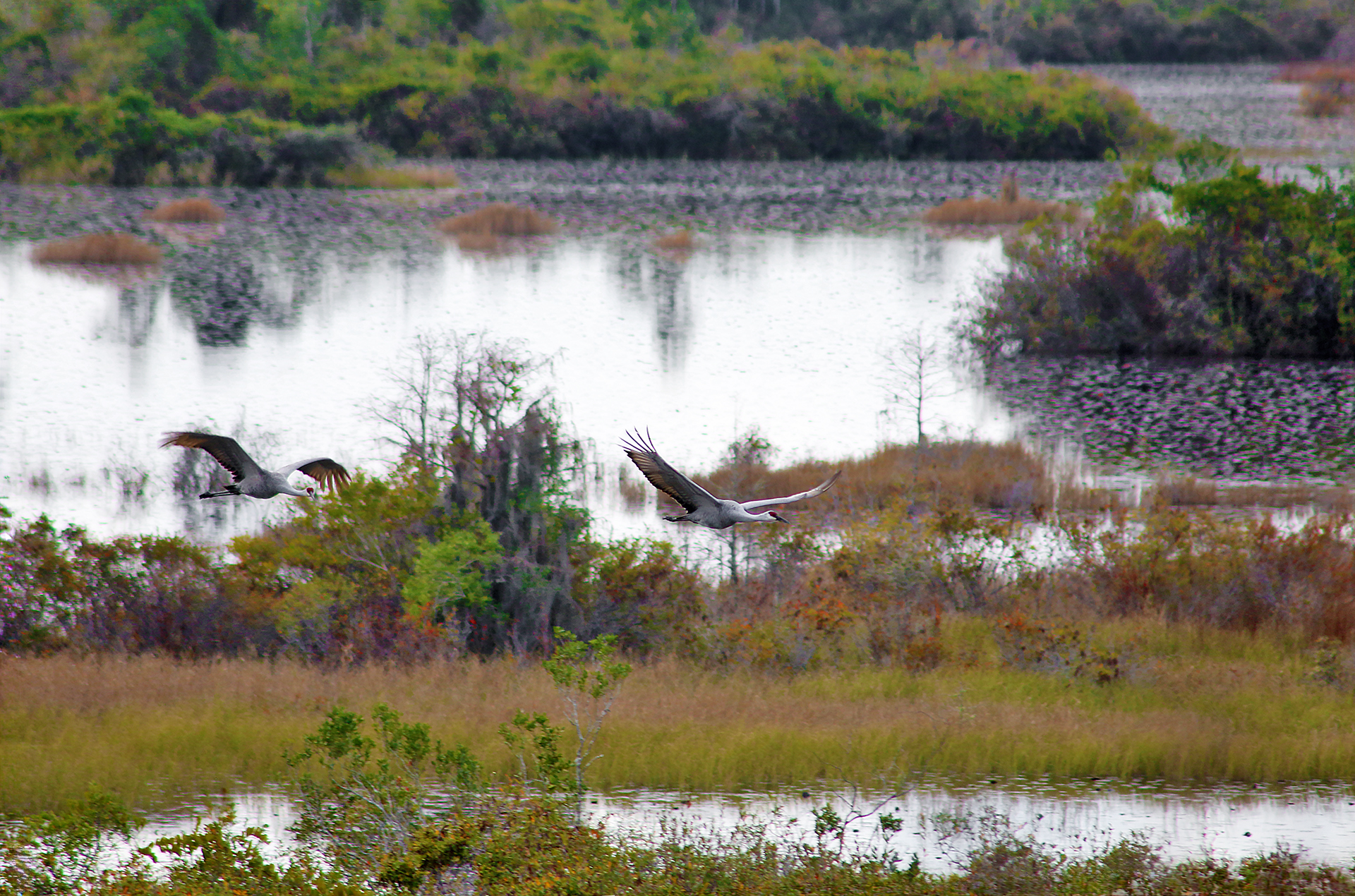
Two Sandhill Cranes fly over Okefenokee Swamp together. Sandhill Cranes are large birds with gray bodies and long legs that are shaped much like herons — but their necks are outstretched while in flight, unlike herons. Note the intense rusty staining of their red crowns.
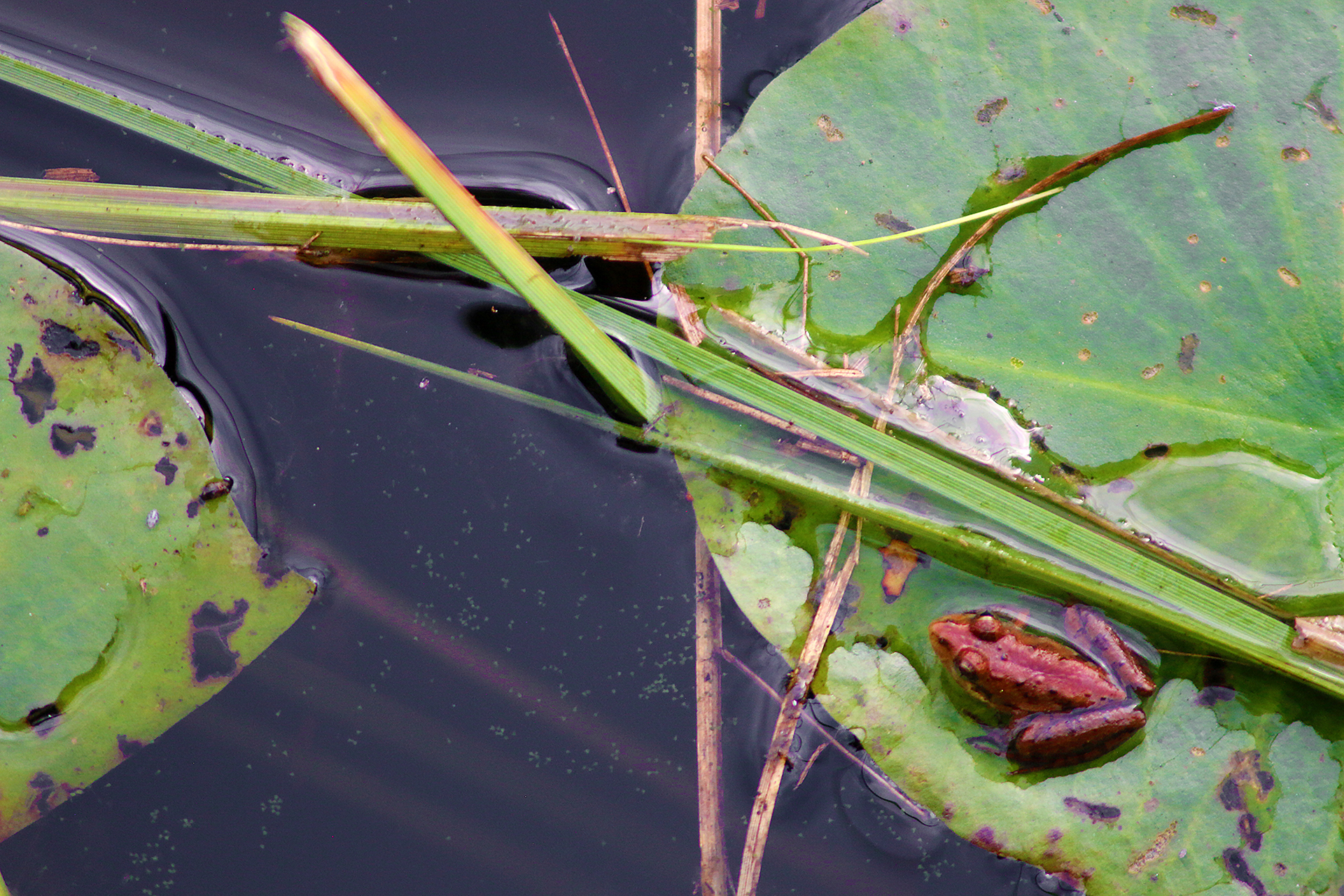
The total area of Okefenokee National Wildlife Refuge is approximately 407,000 acres; and it is the largest National Wildlife Refuge east of the Mississippi River. It is also the first National Wildlife Refuge officially designated by the Fish and Wildlife Service of the United States. Okefenokee National Wildlife Refuge is world renowned for its amphibian populations that are bio-indicators of global health.
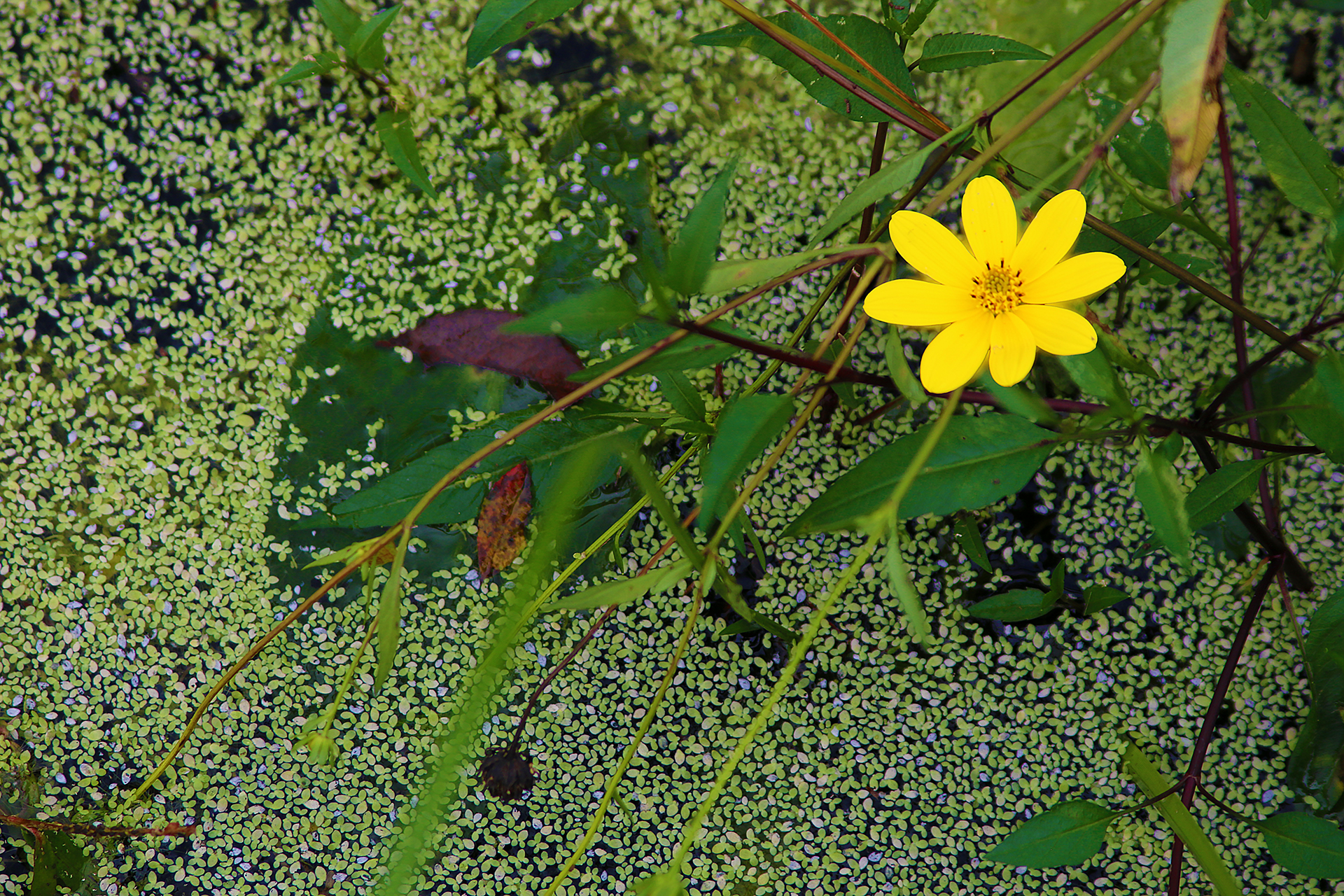
Okefenokee National Wildlife Refuge was established on Tuesday, March 30, 1937 as a refuge and breeding ground for migratory birds and other wildlife; and conserves the unique features of the Okefenokee Swamp. It is also the headwaters of both the Suwannee River and Saint Marys River. The swamp provides habitat for threatened and endangered species — such as red-cockaded woodpeckers, wood storks, indigo snakes, and a wide variety of other wildlife species.
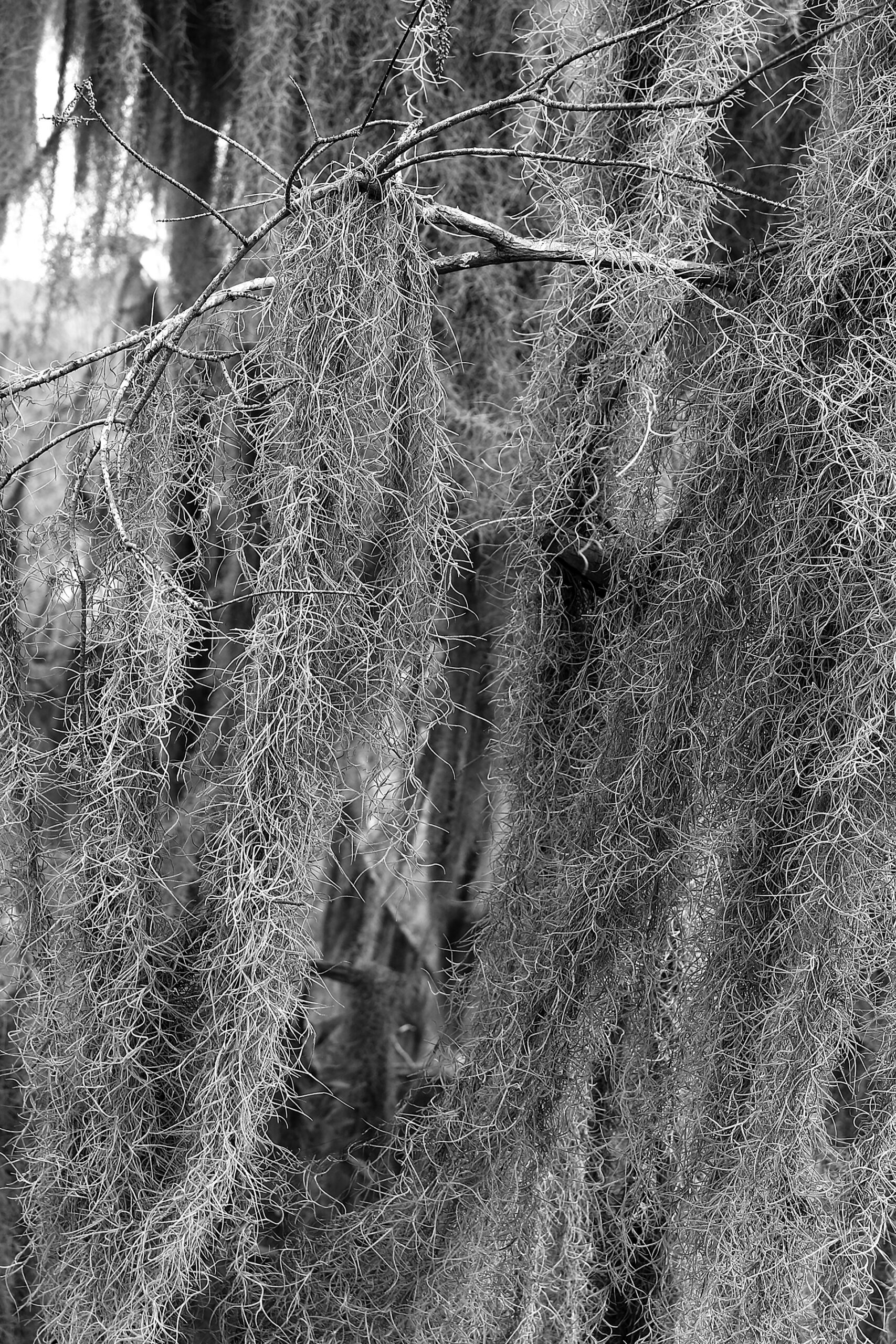
According to this article from the official Internet web site of Jon Ossoff — who serves the state of Georgia as one of its two representatives of the Senate of the United States — he for years “led a bipartisan group urging National Park Service to nominate the Okefenokee refuge for UNESCO’s World Heritage Site list.”
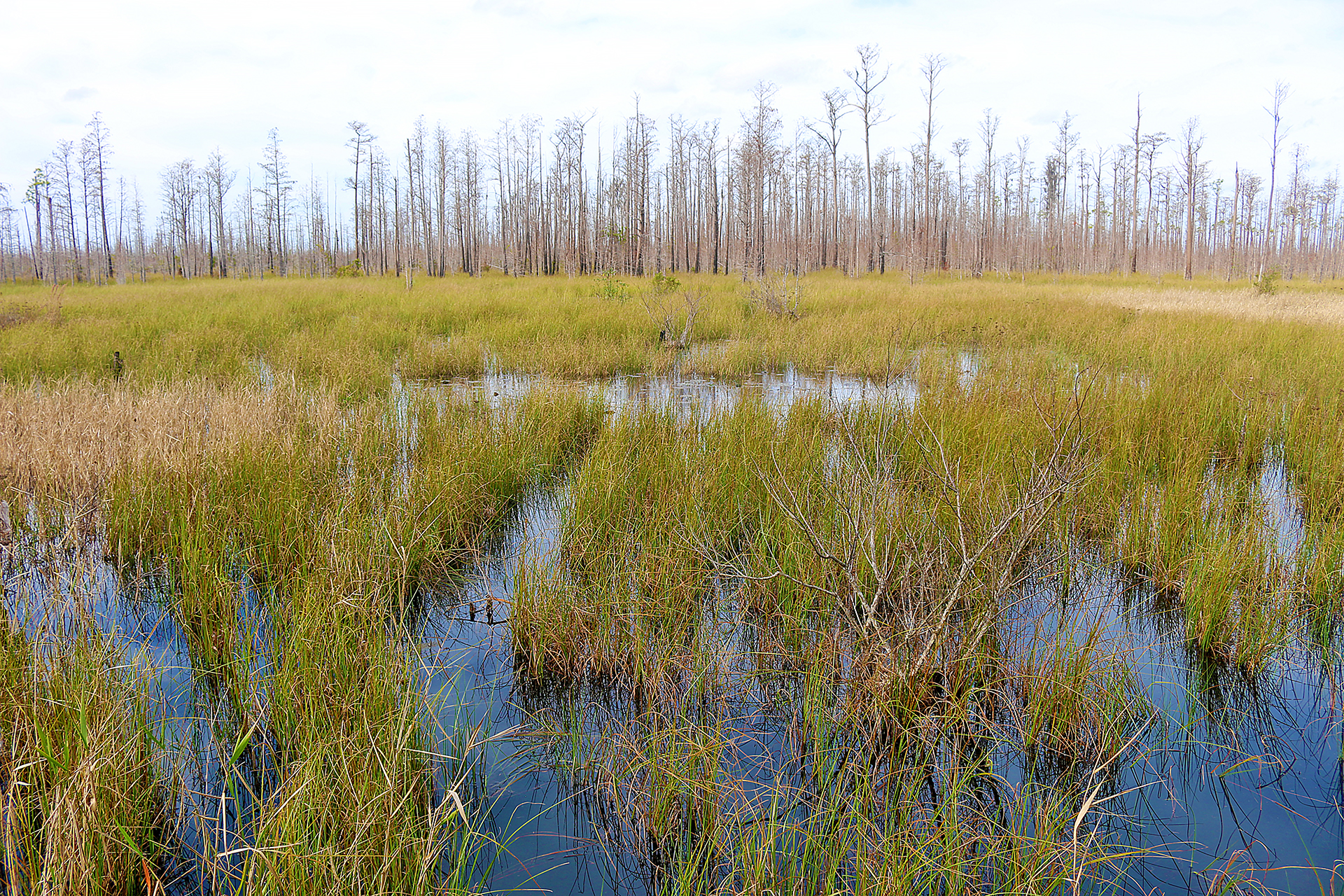
Additionally, this Internet web site was created for the purpose of having Okefenokee National Wildlife Refuge inscribed as a World Heritage site of UNESCO and contains a significant amount of valuable information and details pertaining to this important wildlife refuge.
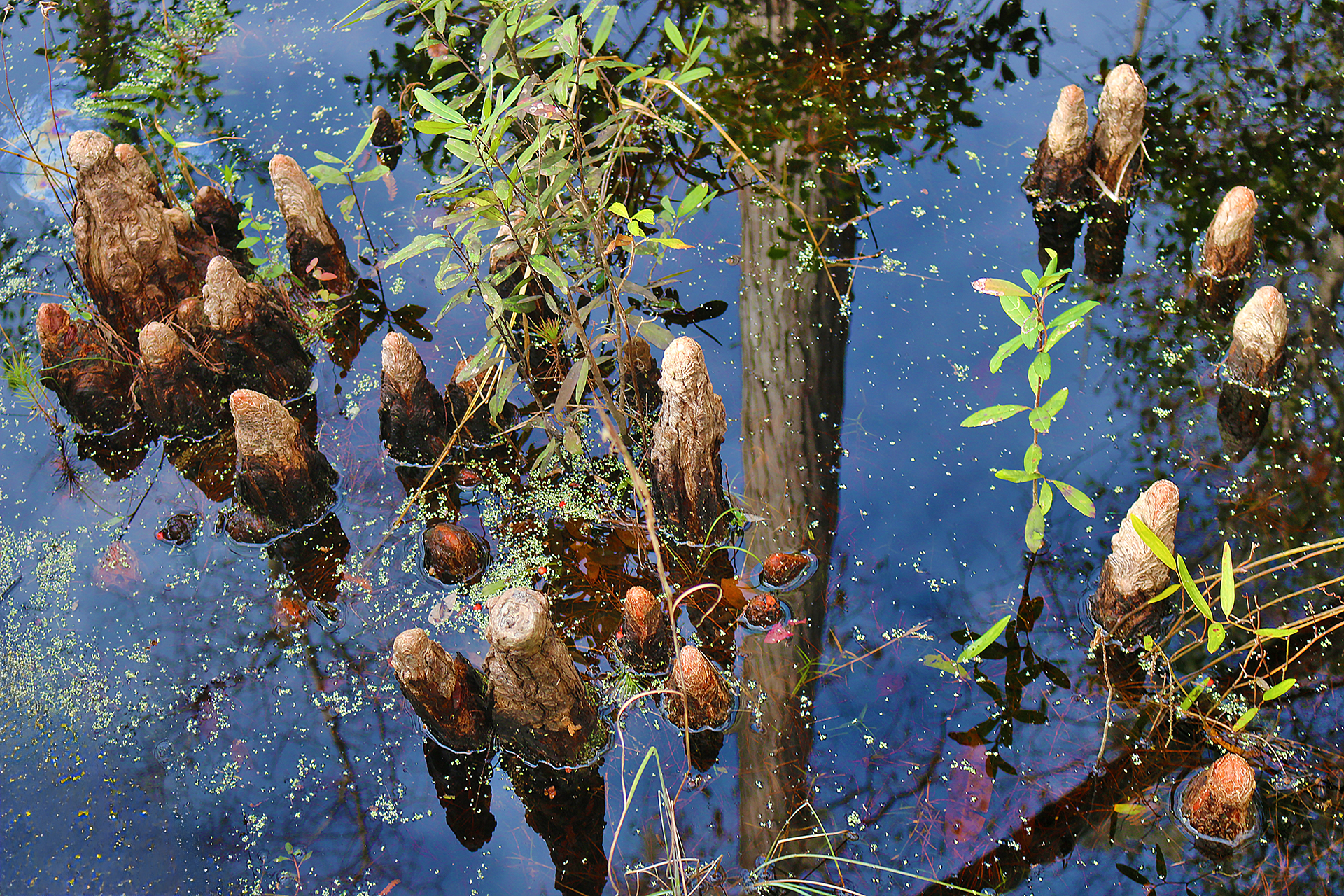
“Okefenokee National Wildlife Refuge and Okefenokee Wilderness encompasses the best-preserved precipitation-based freshwater wetland ecosystem in the conterminous U.S. and the largest in the Northern Hemisphere’s subtropical zone”, according to the official Internet web site of the Fish and Wildlife Service of the United States. “It is the last-standing large, naturally driven freshwater wetland in the eastern U.S. The resiliency of its diverse habitats from open lakes, marshes, scrub-shrub, cypress and hardwood forests, to pine islands resembling pristine conditions stands out in one of the highly populated and developed temperate/subtropical regions of the world. Designated as a Wilderness Area, management strives to allow ecological processes to govern in order to sustain the ecosystem services it has provided for centuries.”
Final Boarding Call
The main entrance to Okefenokee National Wildlife Refuge is located approximately seven miles south of the town of Folkston in Georgia. Note that Okefenokee National Wildlife Refuge has three major entrances and two secondary entrances to the refuge — each with its own facilities and special character; and entrance fees are required and vary at each entrance.

Okefenokee National Wildlife Refuge
2700 Suwannee Canal Road
Folkston, Georgia 31537
United States
1-912-206-6311
Hours of Operation
- March through October — Open daily one half-hour before sunrise to 7:30 in the evening
- November to February — Open daily one half-hour before sunrise to 5:30 in the afternoon
Admission Fees
All annual passes and stamps that are issued by the federal government of the United States are valid for admission at Okefenokee National Wildlife Refuge. Otherwise, admission fees are as follows:
- Daily Pass — $5.00 per vehicle. Valid for seven days only at Okefenokee National Wildlife Refuge.
- Annual Pass — $15.00 per vehicle. Valid only at Okefenokee National Wildlife Refuge.
- Commercial Vehicle fees vary:
- $5.00 for a maximum of nine passengers
- $25.00 for a minimum of 10 passengers to a maximum of 25 passengers
- $50.00 for a minimum of 26 passengers
All photographs ©2018 by Brian Cohen.
