
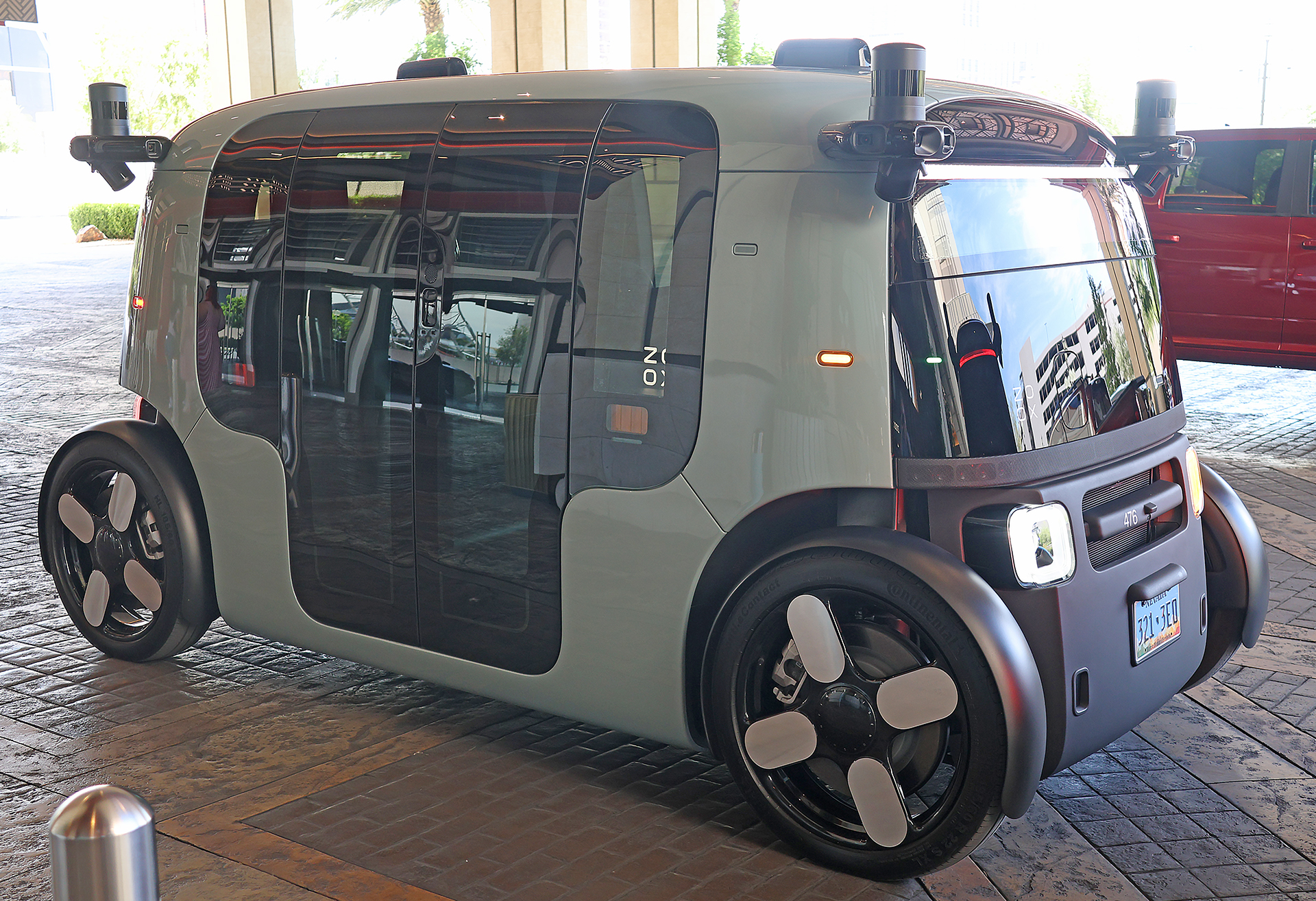

I recently completed my second driverless vehicle experience with zoox — with video and photographs so that you can see for yourself how the technology works in real life — and for a limited time, the experience does not cost a single cent.
Zoox: My Second Driverless Experience. With Video.
We wanted to travel from Vdara Hotel & Spa to Resorts World Las Vegas; so a mobile software application program was downloaded onto a smartphone prior to summoning a driverless vehicle. The company that operated the autonomous car was Zoox.
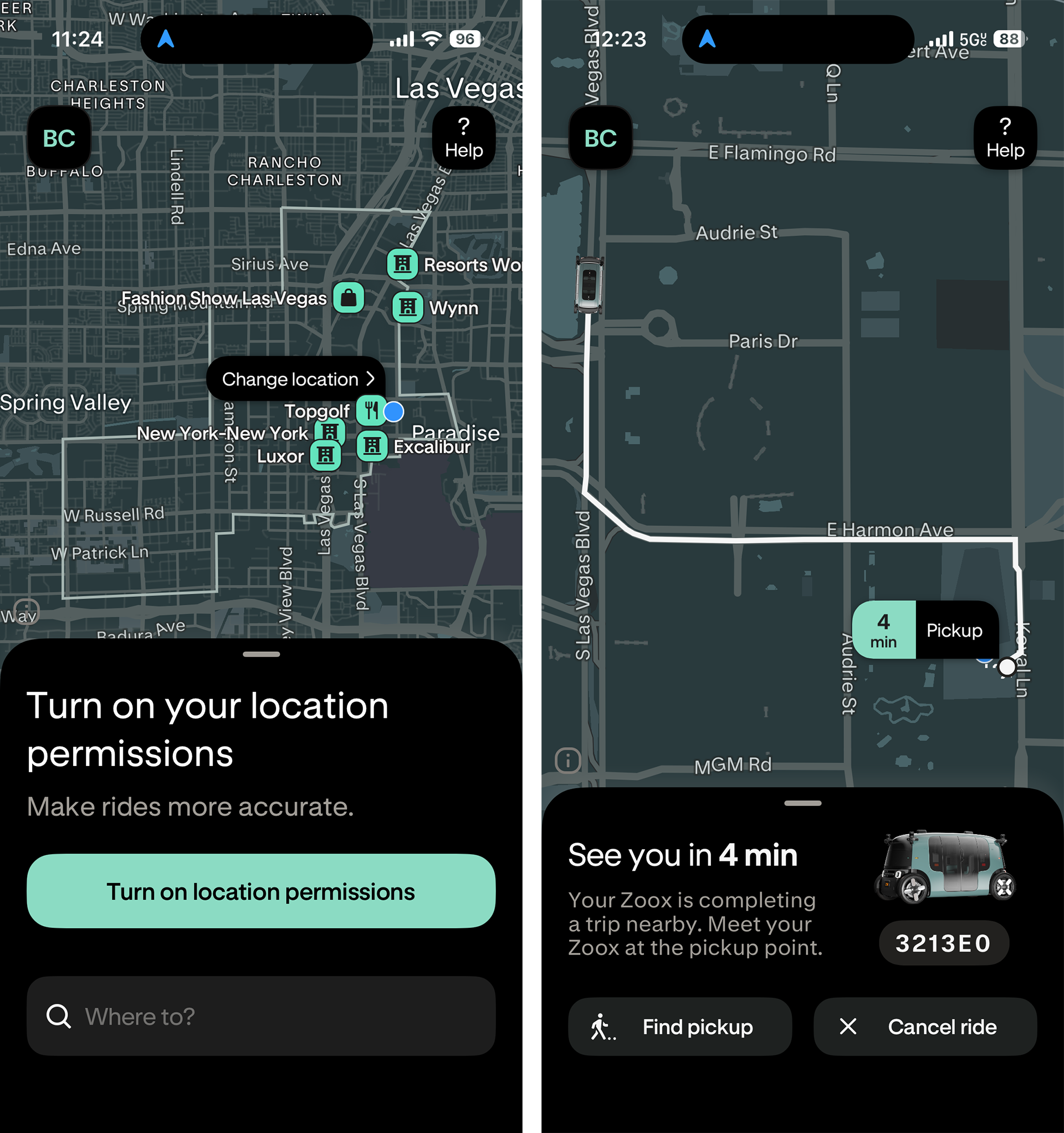
The process of ordering a driverless vehicle was similar to that of a ride share company — such as Lyft or Uber — except that only seven locations in Las Vegas are served at the time this article was written.
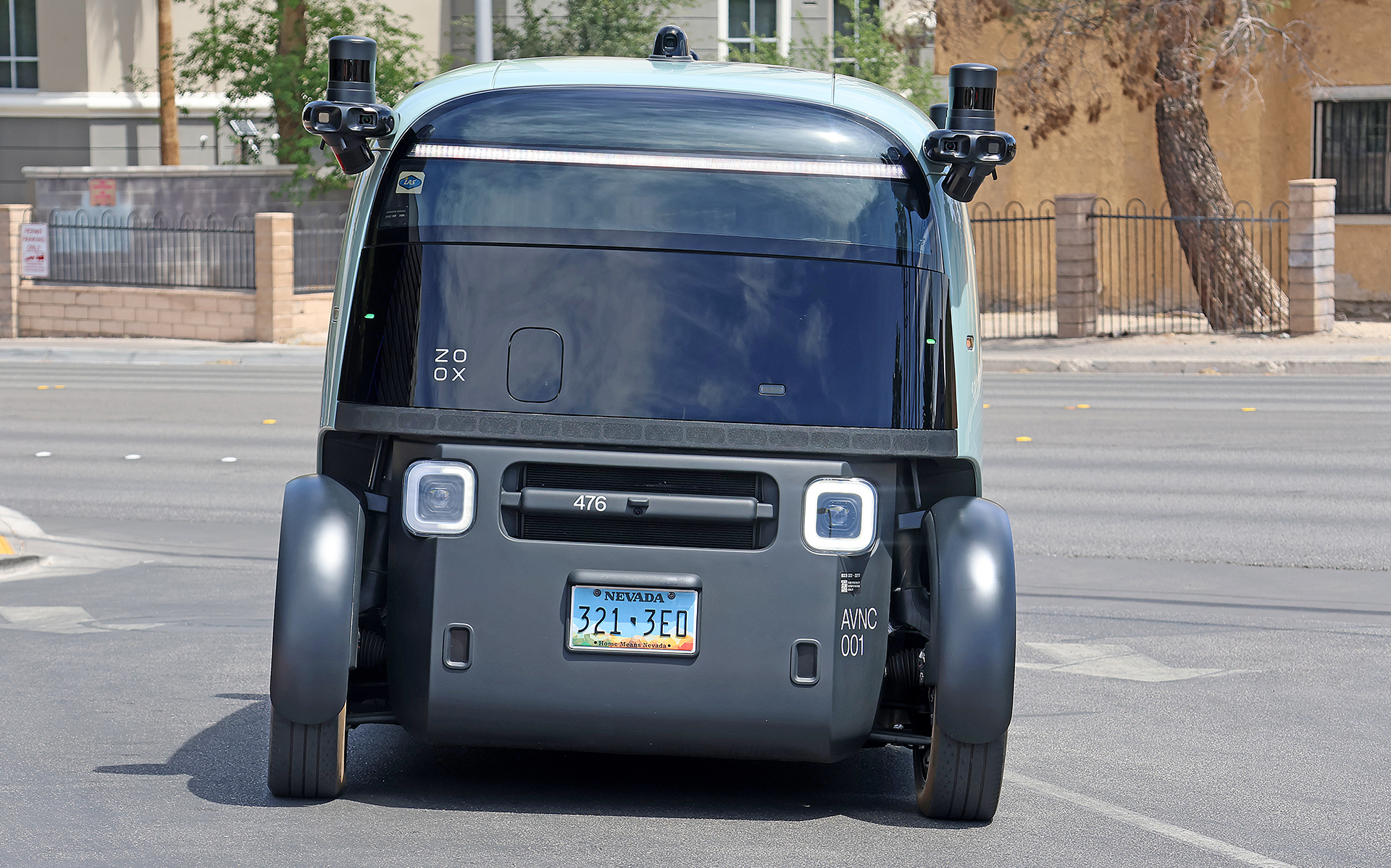
I believe that the car that arrived was custom built, as I have never seen a vehicle such as this one before. Zoox calls its vehicle a robotaxi; and it is fully electric.
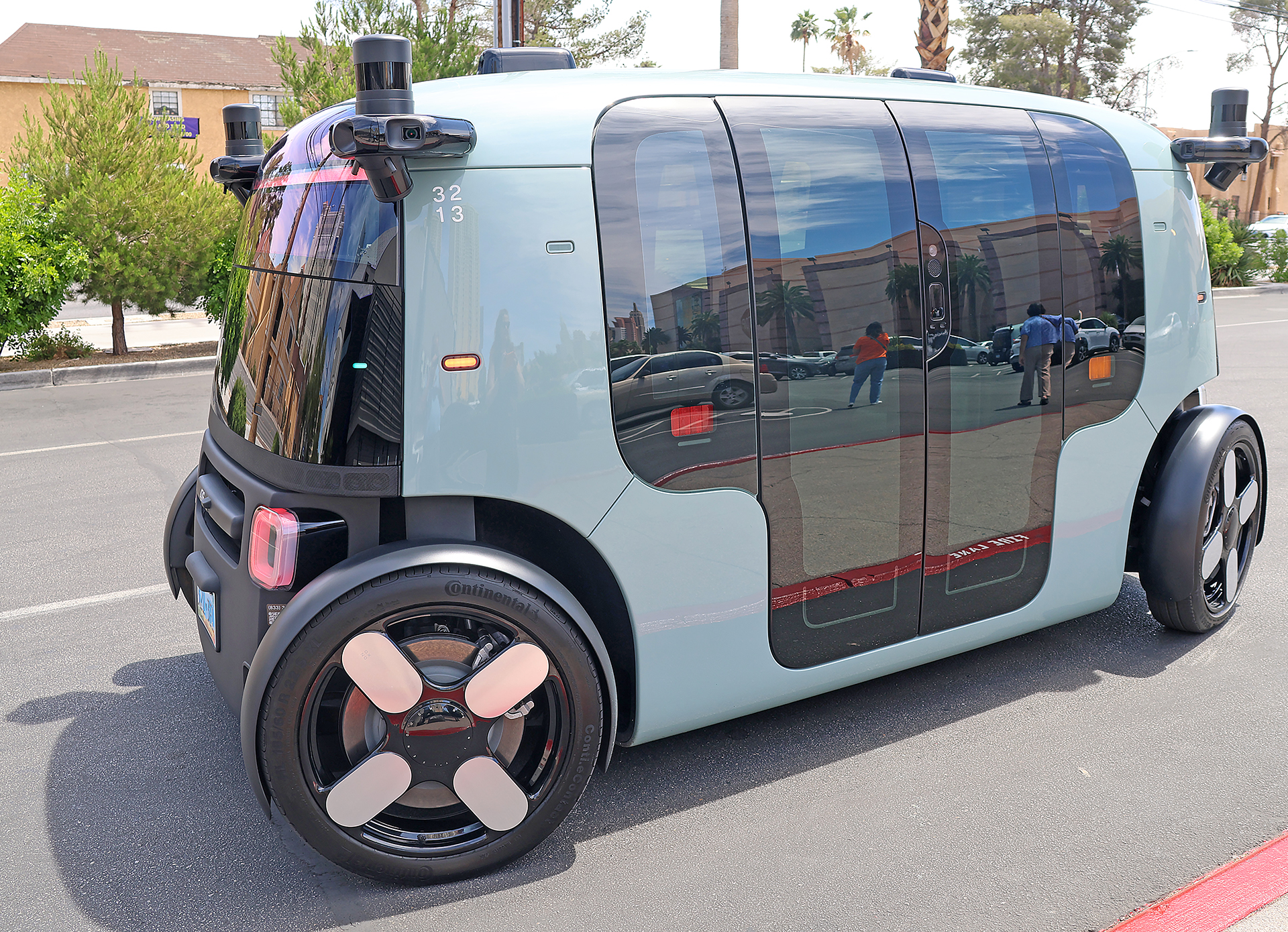
Before we could enter the vehicle, the doors opened to let the previous passengers exit from the vehicle. The doors must close before pressing a button on my portable electronic device to open the doors so that we could enter.
Once the doors were closed, a voice started talking — which you can hear in the video of my driverless car experience.
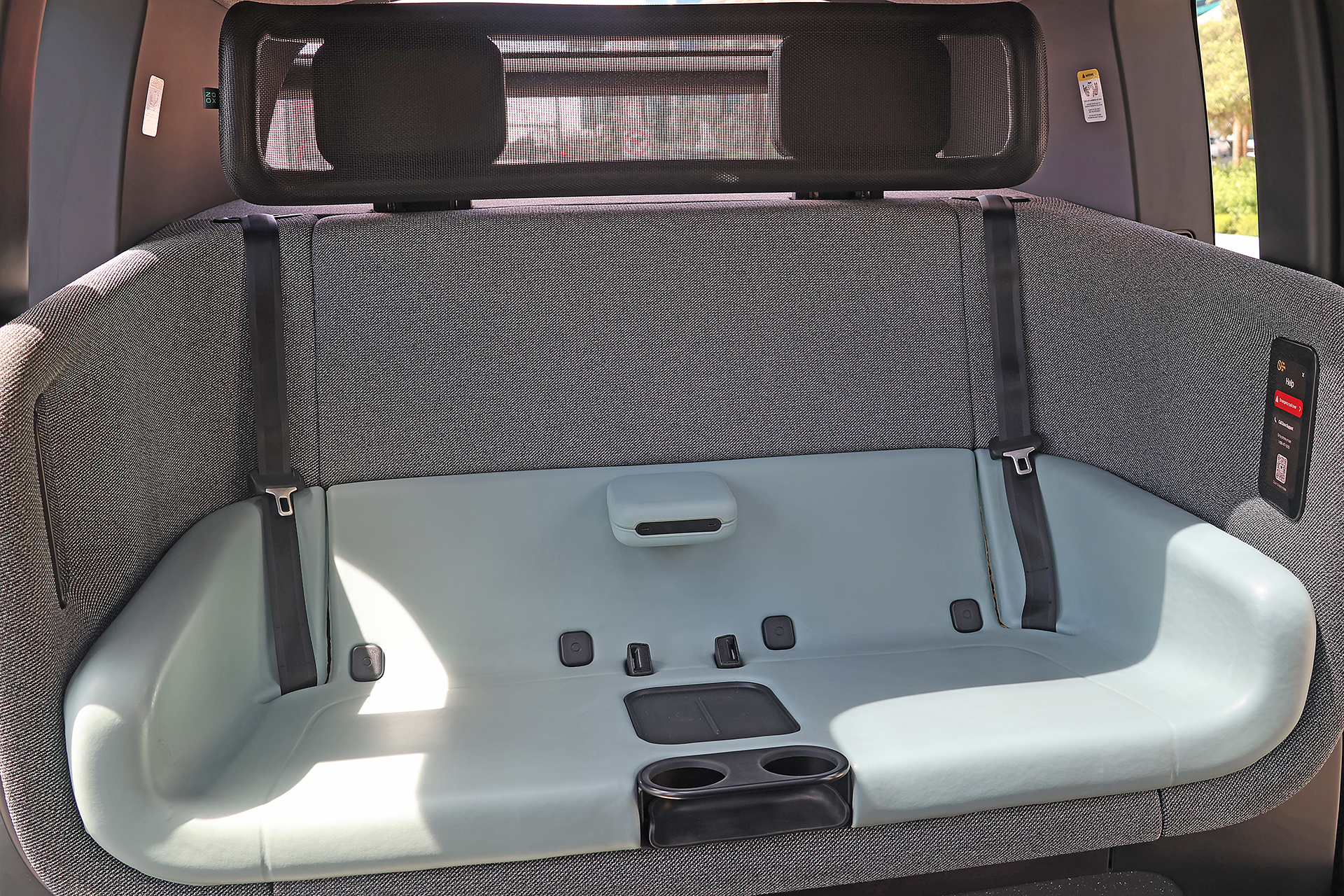
The seats in the car were fairly comfortable, as the square design created more space in each seat. Up to four passengers can fit in one of these vehicles. The seat belt mechanism operated very well. The vehicle will not move until the seat belts of all passengers were buckled.
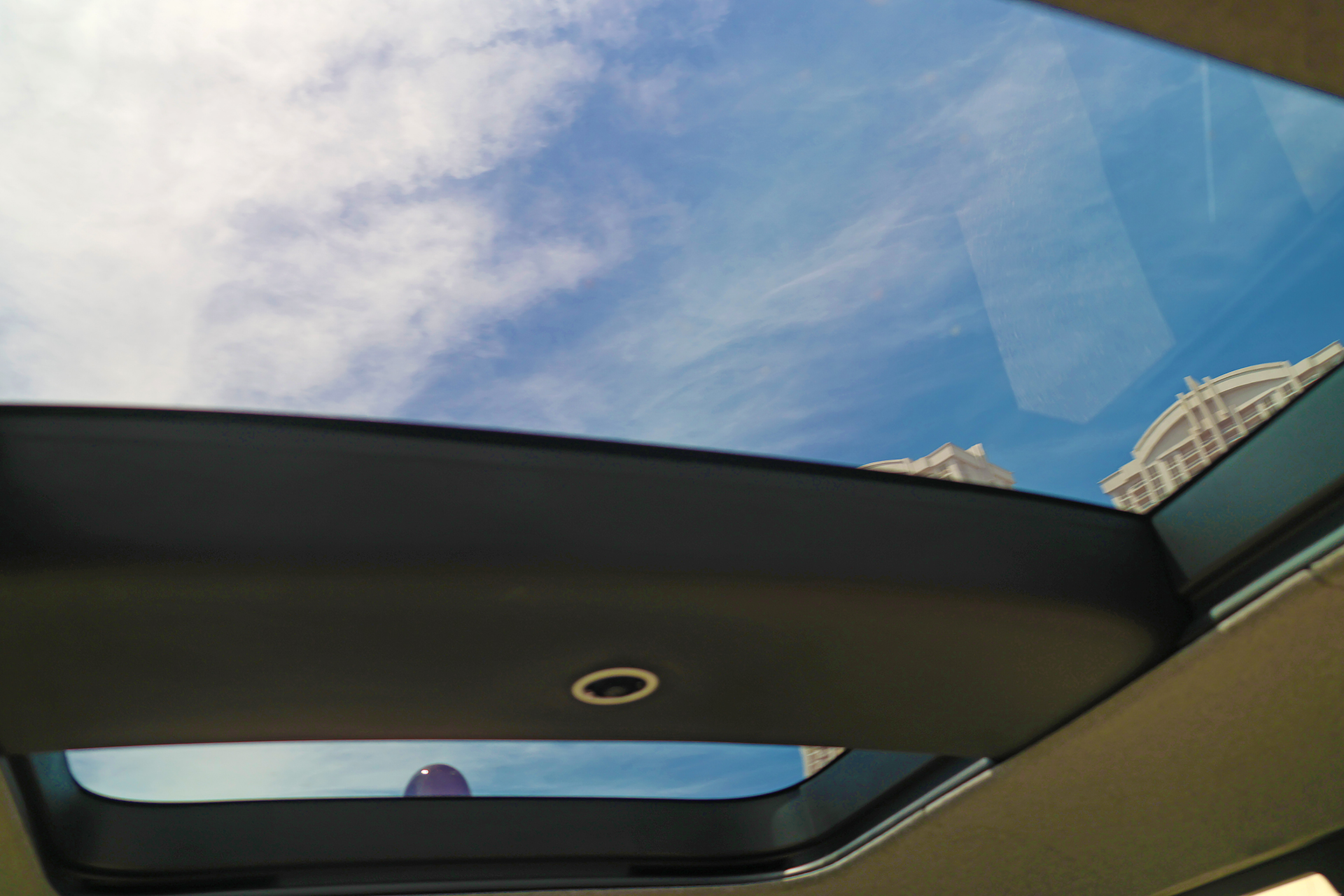
A large sunroof that was split into two allowed plenty of ambient daylight through the top of the vehicle. A small camera was located inside the dome in the center of the ceiling of the vehicle.
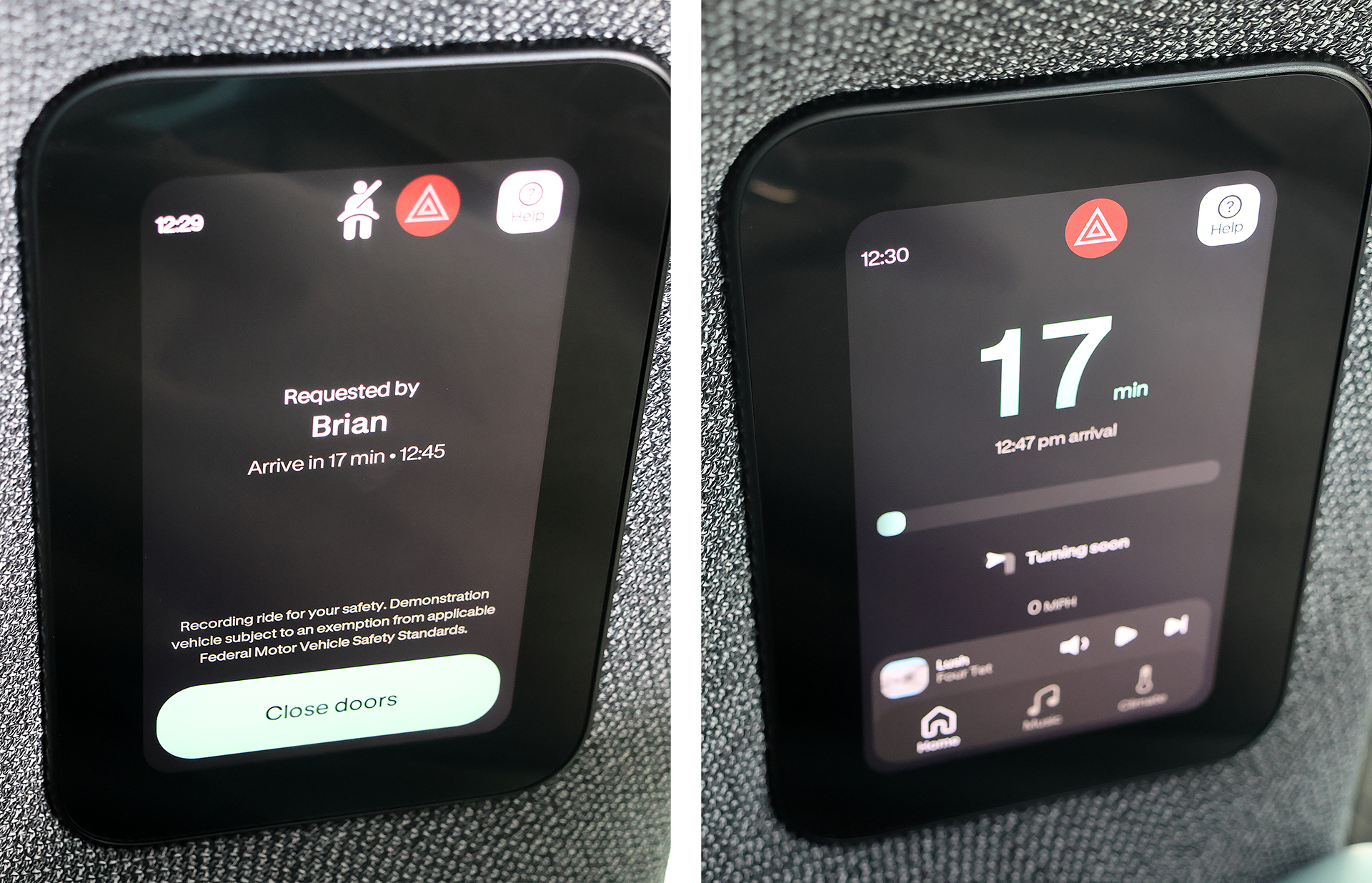
A small touch-screen monitor — as well as the typical controls that are usually found in a car — was available to each passenger.
A total of four Universal Serial Bus Type C ports — two on each side — were available for charging electronic devices.
The remaining duration time of the ride, a choice of hundreds of songs from many different genres, and access to the temperature of the climate control system were some of the features which each passenger in the vehicle can use. No map was available in the vehicle itself.
The touch-screen monitor alerts passengers prior to arrival that the vehicle is approaching its destination. Instructions are then given on how to open the door in order to leave the vehicle.
The Experience Itself
We had to walk 18 minutes east of the Vdara Hotel & Spa property to Topgolf on Koval Lane in order to get to the driverless vehicle, as the number of areas to pick up and drop off passengers in Las Vegas is limited only to seven locations.
The driverless vehicle always signaled when turning; and it never exceeded the posted speed limit by even one mile per hour. It remained on local streets and never used a limited access highway — meaning that other modes of ground transportation could potentially be faster. I felt completely safe throughout the entire duration of the ride, as no potential safety issues arose.
As no driver was in the vehicle, no tip or gratuity needs to be given. The experience was certainly less expensive than that of a ride share service — especially as it was free of charge.
Are Driverless Vehicles Safer Than Those Driven By Human Beings?
“With 100% fewer bodily injury claims and 76% fewer property damage claims, Swiss Re (one of the world’s leading reinsurers) concluded that Waymo is significantly safer than human-driven vehicles”, according to this statement from Waymo, which is a competing company through which I experienced my first driverless vehicle ride. A variety of statistics and information are also displayed there.
John Stossel is a veteran consumer reporter who agrees in this video that driverless vehicles — including trucks and cars — are indeed safer than vehicles that are driven by human beings.

Although driverless vehicles have supposedly been proven to be safer than vehicles which are driven by human beings — at least, to this point when this article was published since the technology was introduced to the public several months ago — the concept is still controversial in terms of safety, as problems have plagued this technology…
…and for drivers and other people who fear losing their livelihoods to this technology, which is explained in detail here.
Final Boarding Call
As today, Wednesday, April 22, 2026 is Earth Day, I thought that this experience of being transported in a fully electric powered driverless vehicle — which also occurred earlier today — would be appropriate.
If you want to experience riding in a driverless taxi, Zoox is currently only available in Las Vegas, San Francisco, and Austin — with Miami on deck to receive the service next, which is available from 11:00 in the morning, seven days per week.
In addition to Zoox and Waymo, other companies have also been entering the driverless vehicle space — including Vay, which also operates in Las Vegas.
If the technology of driverless vehicles prove to absolutely be safer than vehicles which are driven by human beings, that means that more vehicles could be on the road with less traffic jams and backups — meaning more efficient use of roads and highways — with fewer accidents; as well as being less expensive and friendlier to the environment…
…but the technology could also be more prone to nefarious software “hackers” and concerns pertaining to cybersecurity — as well as concerns about privacy in general, unpredictable traffic patterns, and possible unforeseen costs and consequences.
What are your thoughts about driverless vehicles? If successful, could they pave the way for pilotless commercial airplanes?
All photographs ©2024 by Brian Cohen.
