

Breakfast is included at Viroth’s Villa — which is a hotel property of Mr & Mrs Smith and is where I recently stayed in Siem Reap in Cambodia — and part of breakfast was a curious little tan fruit that I personally had never seen before.
Longan? What is a Longan?
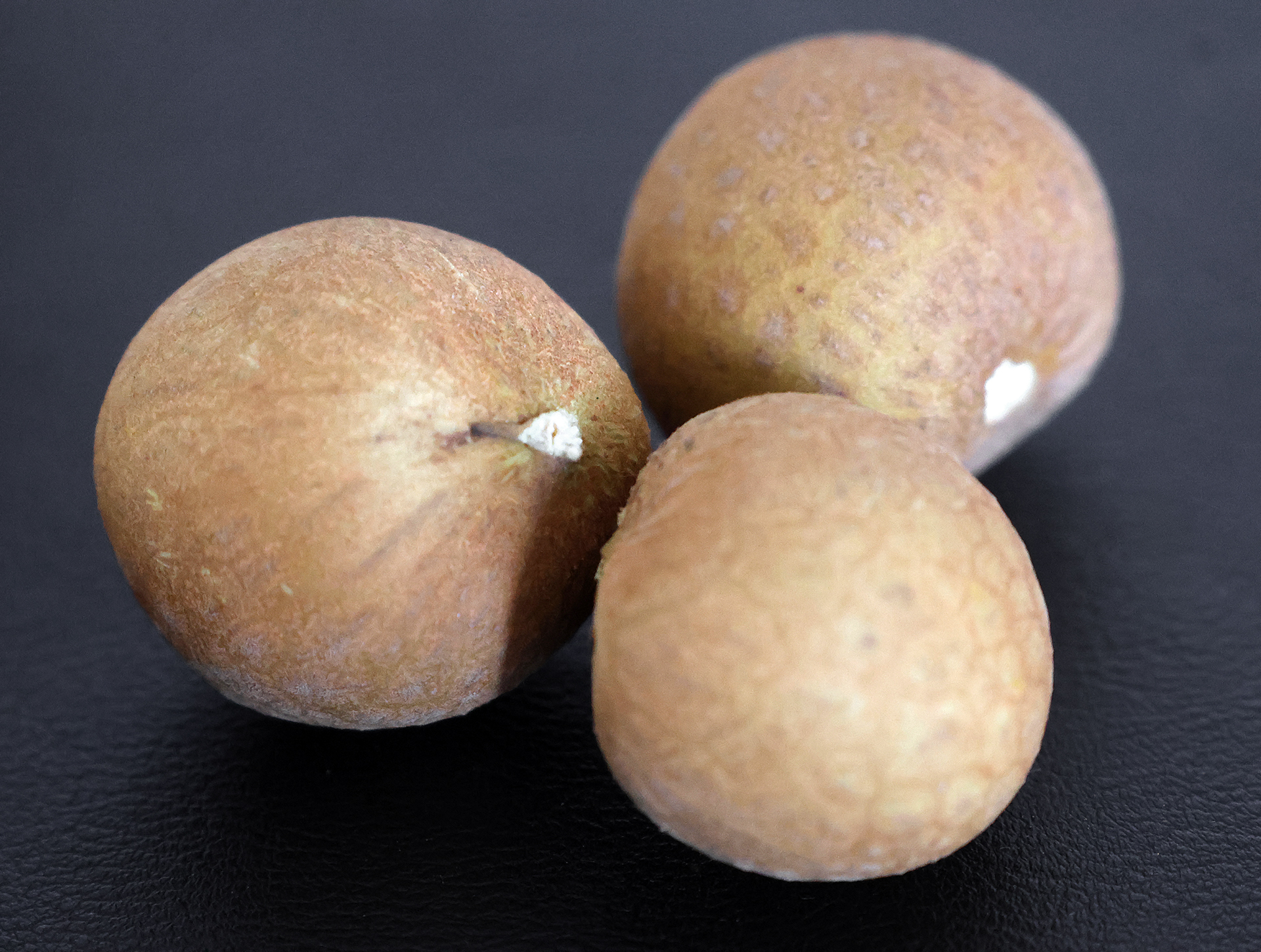
I searched for this distinctive fruit via the Internet and found out that it is called a longan.
Once my answer was confirmed in the affirmative, question marks were once again popping out of my head in different colors, as they did when I first learned of a tree tomato in Nairobi back in 2015 after I had been on safari. I had never heard of the name longan.
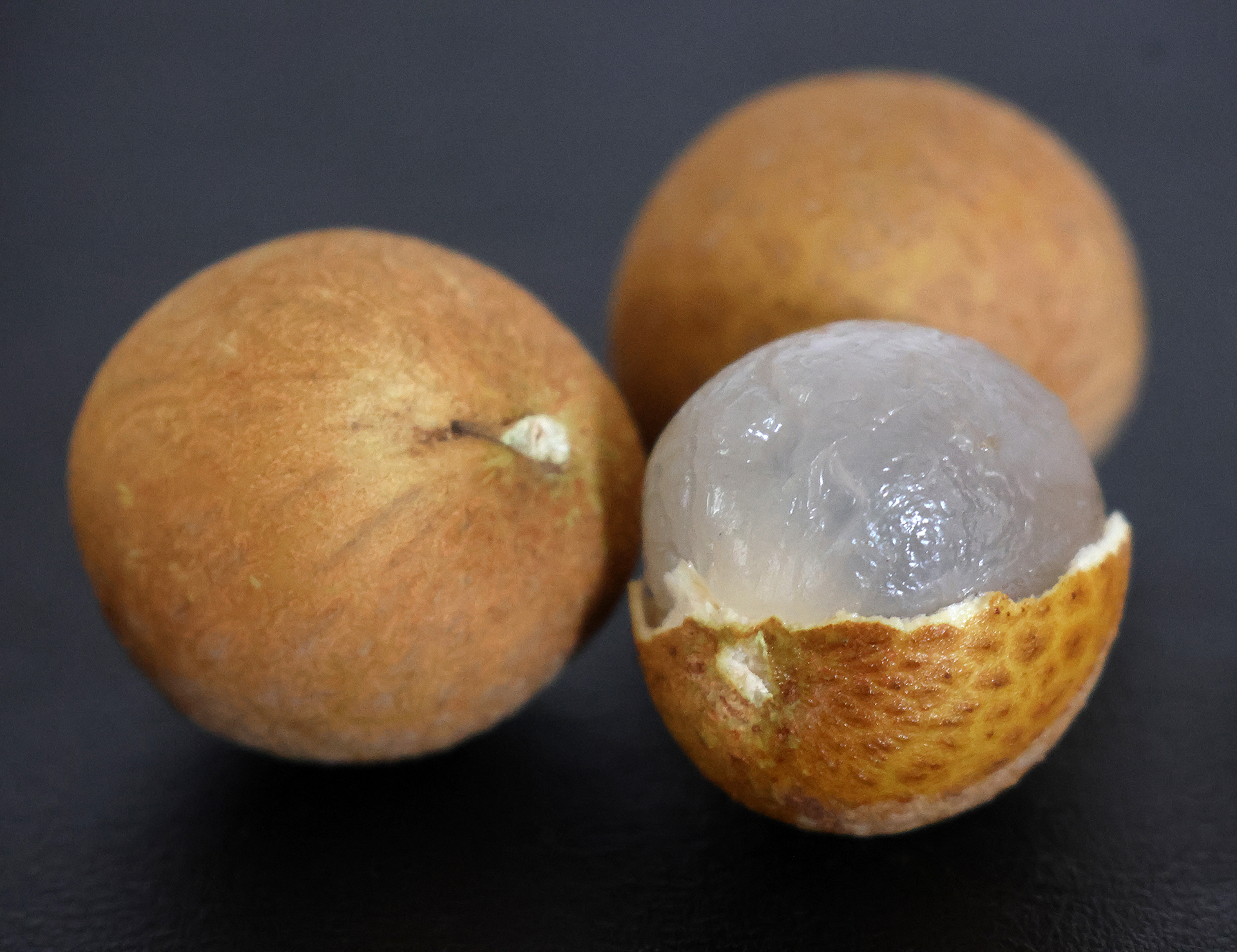
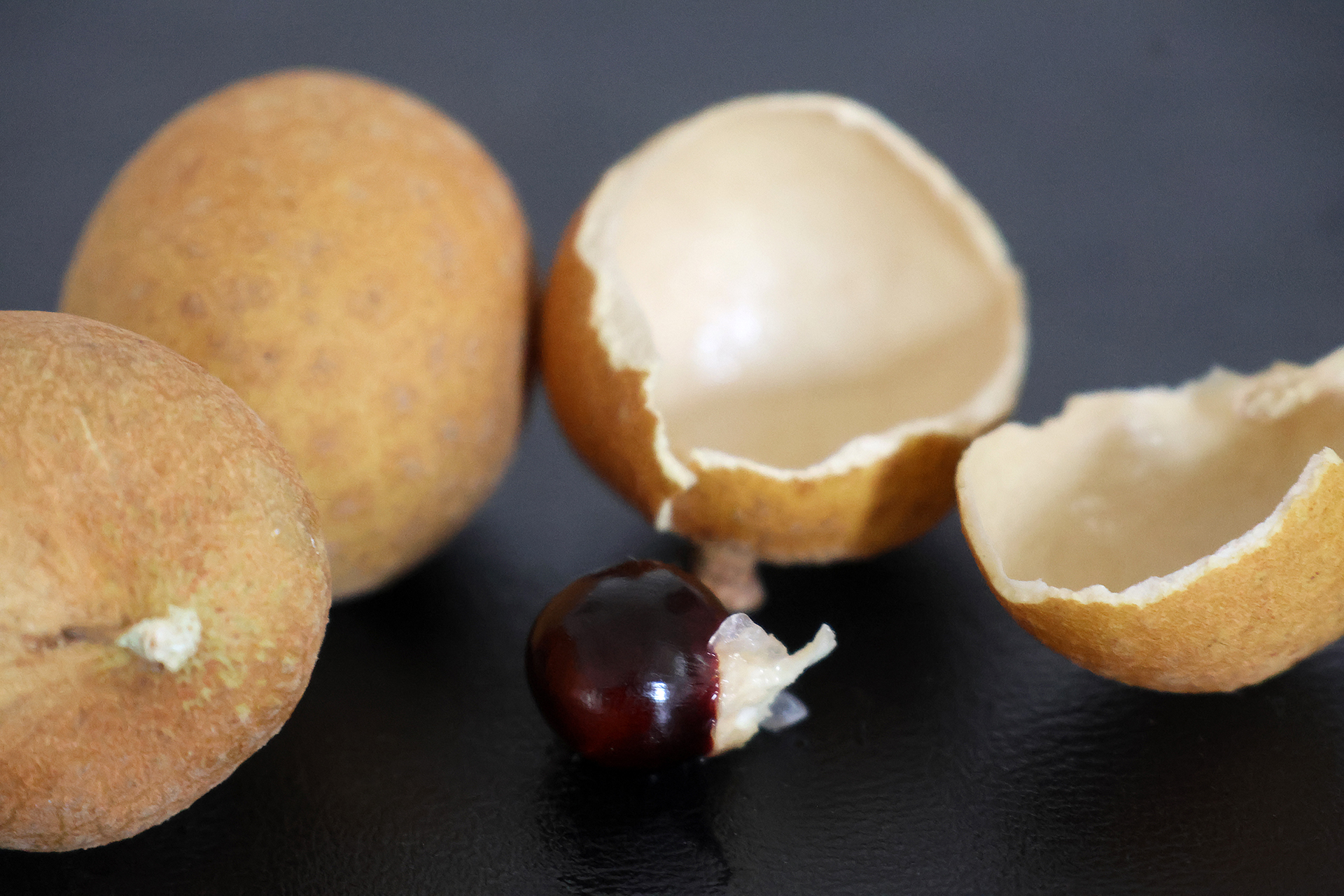
Curious, I sampled one, which is approximately the size of a cherry tomato. The outside rind or peel of the fruit is similar in texture to cork. To open a longan, take two fingers to pinch it and squeeze until the cork rind part cracks open — but watch out, as sometimes the juicy fruit could squirt at you as the rind cracks if you squeeze it too much. Once that happens, the remainder of the longan is easy to peel.
Parts of the inside of the fruit was reminiscent of a grape — if you applied a little imagination.
Tasting a Longan
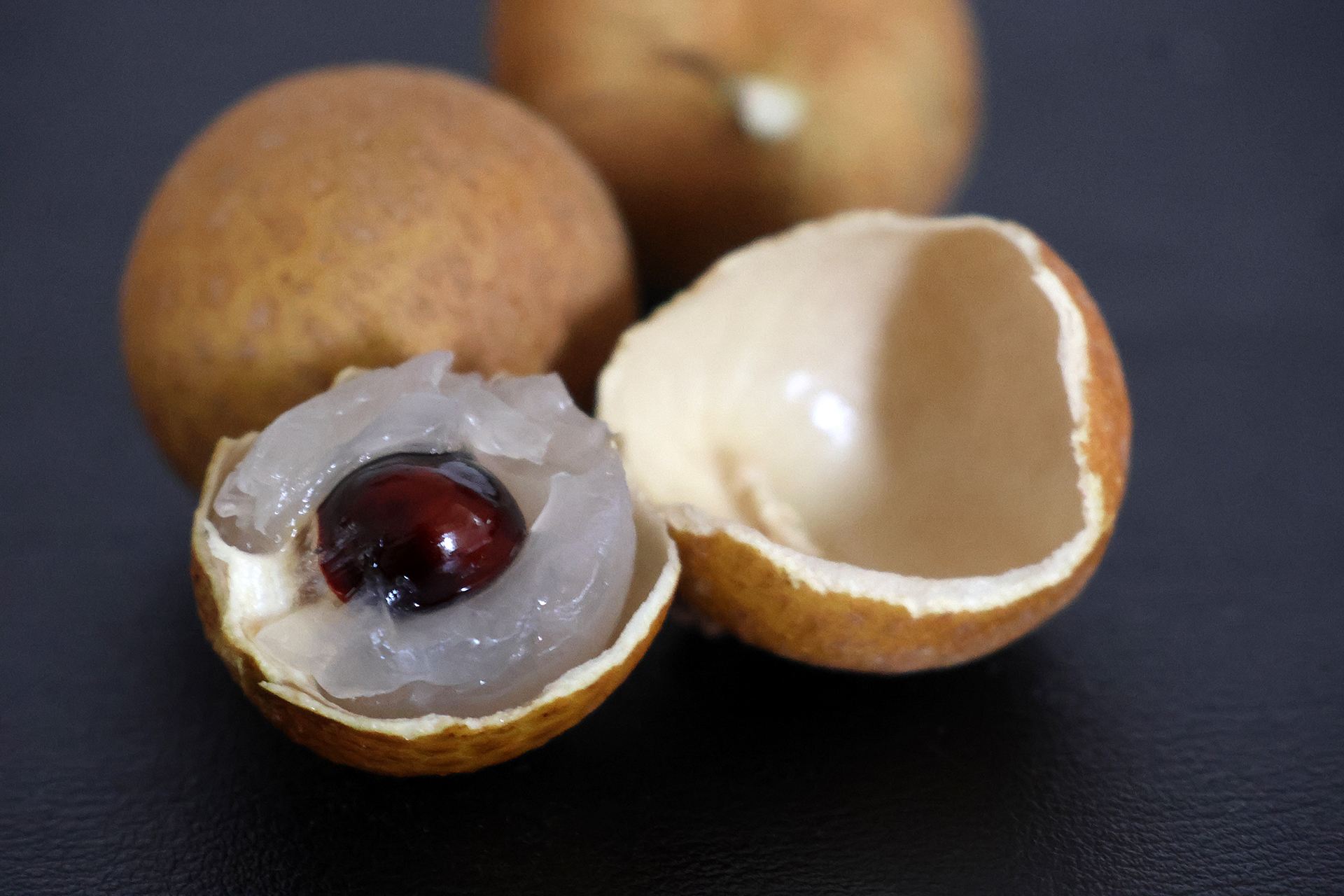
I then tasted it. My tongue was greeted with a mild yet rather sweet flavor that was reminiscent of a ripe cantaloupe melon — I did not taste the mix of grape with the melon, as has been described via the Internet — with a finish that can be subtle, musky, or like honey. The translucent flesh is similar to a grape in appearance and texture, but it is somewhat chewier.
The longan is related to lychee — though it generally less floral and more intensely sweet.
Both the rind and the seed are inedible.
What Is a Longan — and How Can It Be Used?
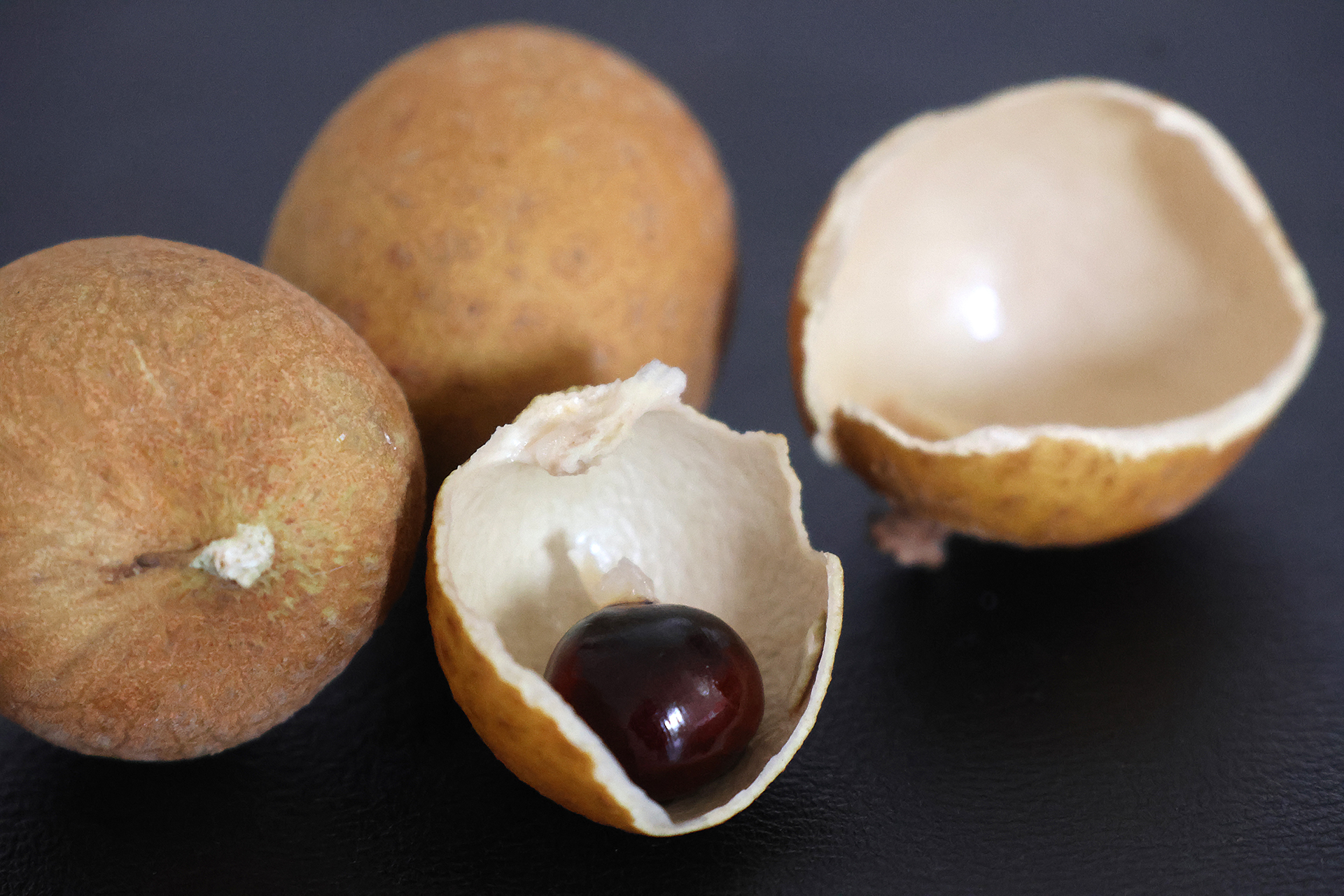
Curious, I searched for the term longan on the Internet and found that it is a nickname for Dimocarpus longan, according to this article found at Wikipedia. Comprising the core of the longan is a hard pit or seed whose appearance resulted in the tropical fruit earning the nickname dragon’s eye. Its name is derived from the Vietnamese name of long nhãn.
Native to countries in southeastern Asia but is believed to originate from the mountain range between Myanmar and southern China, the longan is typically be eaten raw on its own; but it is also often used in Asia in soups, snacks, desserts, and sweet-and-sour foods that are either fresh or dried, and it is sometimes preserved and canned in syrup.
Final Boarding Call
As with the aforementioned tree tomato, this is probably one of those fruits to which I have never paid any attention or was not aware; but I would not be surprised if it is destined to one day eventually become as popular as a kiwi fruit.

I liked the fruit enough that after I was introduced to it in Cambodia, I have since had it numerous times in Laos and Vietnam, where I am currently.
Have you ever tried a longan? If so, what do you think about it?
All photographs ©2026 by Brian Cohen.
